
On this page
When sleep will not come and your old dog is restless on the rug beside you, the thought of one more stressful car ride can feel like too much to ask.
For many senior dogs a home farewell is gentler than a clinic visit, and planning it early lets families choose calm over crisis. In my integrative practice, the dogs who settle best are the ones allowed to stay in their own scent, on their own bed, with unhurried time for the body to soften before any final injection.
Jorge felt this with Nymeria, his 11-year-old spayed female German Shepherd in Tacoma, Washington. She could still greet him at the door, but her hind legs trembled on the porch steps and clinic visits left her panting for hours. Talking through a home plan early meant he did not have to decide everything on her hardest day.
Why home feels calmer for many old dogs
At home there is no waiting room, no slippery table, no strange dogs barking down the hall. An old dog can remain where Qi already feels settled, near familiar food smells, a worn blanket, and your voice.
That matters for dogs with pain, cognitive decline, or clinic fear. Less handling means less adrenaline, and less adrenaline means sedation can work smoothly and softly. The American Veterinary Medical Association describes euthanasia as a process that should minimize fear and anxiety, which is often easier to do in a familiar space with time to pause.
Home is not right for every situation. Dogs in acute distress, with uncontrolled bleeding or breathing difficulty, may need urgent clinic care first. If you are unsure, call your regular veterinarian or an in-home provider and describe breathing, gum color, ability to rise, and responsiveness that day.
What happens during the visit, step by step
Most at home pet euthanasia services follow a similar rhythm, though timing varies by provider.
First comes a quiet intake. The veterinarian reviews history, current medications, mobility, appetite, and what a hard day looks like now. You choose a favorite spot, often a living room rug or sunny porch, with room for a large dog to lie on their side. Keep the space warm, low, and close to the door if carrying is difficult. Our guide to Traveling With a Small Dog vs a Large Dog: What Actually Changes has practical notes on supporting heavy seniors that also help here.
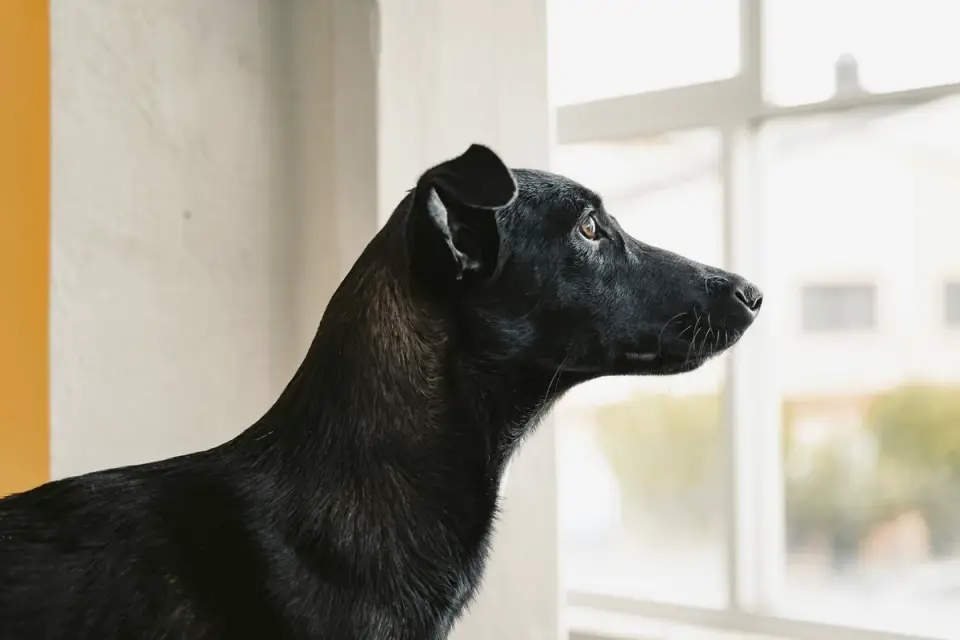
Next comes deep sedation. The veterinarian usually gives a sedative injection under the skin or in the muscle, sometimes with mild pain relief. Your dog drifts into sleep over 5 to 15 minutes, legs softening, breathing slow, eyes half closed. Families can sit close, offer gentle Tui-na strokes along the shoulders, and speak quietly. This sleep is the kind part of the pattern, allowing tension to release before anything else happens.
Only when the veterinarian has confirmed full unconsciousness comes the final injection, most often given intravenously. Because the dog is already asleep, there is no conscious awareness. Breathing slows and then stops, followed by the heartbeat. notes that involuntary muscle movements, a sigh, or bladder release can occur afterward, which reflects the body letting go rather than discomfort.
You are given as much time as you need afterward, to cover your dog, light a candle, or simply sit.
How to plan early and what to have ready
A calm farewell starts with one phone call made a week or two before you think you will need it.
Ask the service what area they cover, how scheduling works for same-day or evening visits, which veterinarian will come, what sedation protocol they use, how long the visit lasts, and what aftercare they coordinate. Ask about fees for the visit, cremation, and keepsakes, and whether your own veterinarian will receive records.
Have ready a short history, medication list, favorite treats if still eating, a familiar blanket or Easy DIY Dog Toys You Can Make at Home scented like home, and a plan for other pets and children. Some families keep other dogs nearby but not crowded close. Some step them out for the final moments and let them sniff afterward.
For quality-of-life tracking, note appetite, joy in greeting, ability to rise without help, nighttime rest, panting at rest, and interest in short sniff walks. Two or three lines a day reveals the pattern more honestly than memory on a tired night.
Aftercare choices and gentle next steps
Before the visit, decide what you want for the body. Common options are private cremation with ashes returned, communal cremation without return, home burial where local rules allow, or transfer to your clinic for aftercare. If ashes will return, choose an urn spot or memorial corner ahead of time so the decision does not weigh on the evening itself.
Many services offer paw prints, fur clippings, or nose prints. Say yes or no early, so nothing is rushed. If travel plans were part of your worry, reading How to Fly With a Dog: The Complete Guide can wait. This week is for staying close.
Afterward, keep food warm and simple for yourself, keep water near, and let grief move at its own pace. If guilt rises, return to the pattern you recorded. Choosing rest before suffering deepens is a kindness, and may help support a peaceful memory for the whole family.
Frequently asked questions
How long does an at home euthanasia visit take?
Most visits last 45 to 90 minutes, with most of that time spent on history, sedation, and quiet time together. The final injection itself acts within minutes once the dog is fully asleep.
Will my dog feel anything during at home euthanasia?
The veterinarian gives deep sedation first so the dog is unconscious before the final injection. You will see slow breathing and soft muscles, then stillness as the veterinarian confirms passing.
Should children or other dogs be present?
Keep it simple and spacious. Calm older children who wish to say goodbye may sit nearby, and other dogs may rest in the room if they are settled. Crowded or anxious companions are often more comfortable in another room with a sitter.
Sources
- Pet Euthanasia: What to Expect — American Veterinary Medical Association