On this page
Start with safety before duration. A home-alone toy should take time, stay wobbly or licky rather than frantic, and let the dog disengage for a nap. That decision fork — calm persistence over high arousal — shapes everything below.
Milo is a 3-year-old, 45-pound mixed breed who shredded door trim when his owner shifted to four 9-hour shifts. On camera he paced, drooled at the windows, then chewed the couch arm by 11 a.m. The owner weighed a squeaky plush versus a frozen stuffed rubber toy and a snuffle mat for kibble. By day 10 on the calmer pair, with departures kept boring and returns low-key, pacing dropped from 40 minutes to under 12 and the couch survived the week. The toy did not cure alone-time distress. It gave his nervous system a slower job to do while the training plan took hold.
Choose Calm Work First, Then Add Challenge
Reach for both the imaging study and the acupuncture needle here. Sustained licking and sniffing may help support steady autonomic tone through repetitive oral and olfactory circuits, which is how a modality is thought to work rather than what it might cure. The strongest counterargument is fair. A busy brain can still panic, and no toy replaces a separation anxiety plan. I still land on calm work first because frantic chase and squeak play tends to spike arousal right before the door closes.
Do this in order. Freeze one rubber hollow toy the night before with soaked kibble and a thin smear. Set out one snuffle or puzzle feeder with breakfast divided inside. Leave water and a resting spot. Pick up small, swallowable pieces before you leave.
The ASPCA notes that food puzzles and gradual desensitization are part of a broader alone-time plan, not a stand-alone fix. Keep departures dull. Return without a party.
What Actually Lasts When No One Is Watching
Think in textures and timelines, not brands. Frozen stuffed toys stretch 20 to 40 minutes. Snuffle mats stretch 10 to 20. Rolling kibble dispensers stretch a meal without a morning gulp. Long chews such as collagen or pressed yak can stretch an evening, but save novel chews for supervised trials first.
June was a 7-month-old, 18-pound terrier mix who loved a rolling dispenser. Her owner filled it to the top for an 8-hour day and hoped it would last. Three weeks in, June learned to slam it against the baseboard, cracked the lid, and swallowed a plastic tab that passed with a scare and a vet call. The tradeoff was clear. Harder and louder is not longer or safer. They switched to a soft snuffle mat plus half her breakfast frozen in a rubber toy, and saved the rolling toy for supervised weekends. Duration fell, safety rose, and that was the right trade.
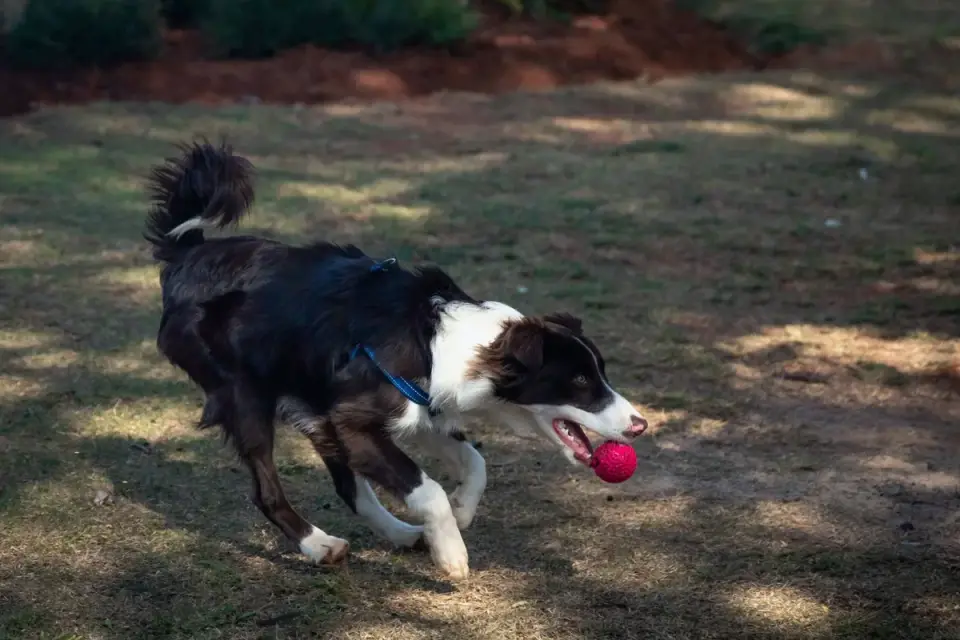
Supervise first, then trust. Test any new toy for two to three attended sessions. Watch for chewing off chunks, paw trapping, or resource guarding. Size up for power chewers. Skip toys with small squeakers, brittle plastic, string, or stuffing for unsupervised time.
For more mealtime ideas, see Treat-Dispensing Toys for Mealtime Enrichment: A Vet’s Field Guide and Enrichment Toys for Mental Stimulation: What Actually Helps a Bored Dog.
Set It Up So the Dog Can Quit and Nap
This short paragraph matters most. A good alone-time toy ends.
Leave two options, not ten. Too much clutter keeps some dogs scanning. Rotate every two to three days to preserve novelty. Wash rubber and silicone weekly with hot soapy water. For fabric care basics, see Can You Wash Dog Toys in the Washing Machine? A Vet’s Honest Fork-in-the-Road.
When Alone Feels Different for Seniors and Small Dogs
Biscuit is an 11-year-old, 12-pound spaniel mix with cloudy eyes and a stiff right hip. He ignored a large rolling puzzle that bumped his muzzle, then guarded a long chew when startled from sleep. By week two the owner changed the fit. She offered a shallow lick mat with thinned wet food on a non-slip rug, plus kibble scattered in a low towel roll he could nudge from his bed. Lick time rose from 3 minutes to 9, afternoon whining eased, and he chose his bed instead of the door. The edge case reframes the goal. For seniors, small breeds, and flat-faced dogs, ease of access beats difficulty every time.
The American Kennel Club reminds owners to match alone-time training to the dog in front of you and to seek veterinary guidance when distress escalates. If you see drooling, escape attempts, self-injury, or no improvement after two weeks of consistent setup, call your veterinarian. That step supports both brain and body.
End with this simple rotation. Frozen lick plus snuffle one day. Puzzle feeder plus scatter the next. One rest day with only a chew-safe rubber toy. Watch, adjust, repeat.
Frequently asked questions
How long should an enrichment toy last for a home-alone dog?
Aim for 15 to 40 minutes of calm work, then space to rest. Longer is not better if the dog gets frustrated, tired, or destructive.
Are frozen stuffed toys safe to leave alone?
Many dogs handle them well after 2 to 3 supervised trials. Size up, freeze firmly, and remove the toy if the dog chews off chunks.
What should I avoid leaving with my dog unsupervised?
Skip small squeakers, brittle plastic, string toys, heavy knotted rope, and novel long chews you have not supervised. Choose simple, sturdy designs.
Sources
- How to Treat Separation Anxiety in Dogs — ASPCA
- Separation Anxiety in Dogs: What to Do — American Kennel Club