On this page
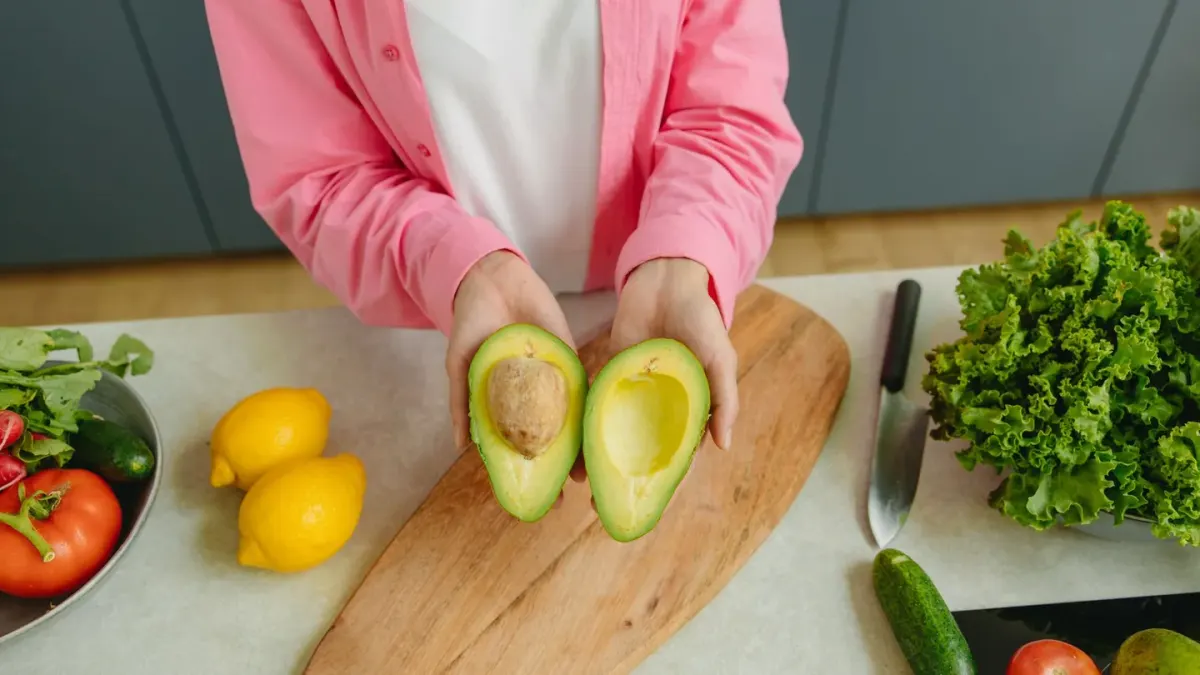
So your dog is sitting under the cutting board, eyes locked on the avocado half you just sliced open for toast. Do you let a sliver of the green flesh fall, or do you sweep the pit and peel straight into the trash and call it a night? That’s really the whole question, and it deserves a straight answer instead of a scare.
So, Can Dogs Eat Avocado at All?
Yes, in a narrow sense. Plain avocado flesh, with no salt, no lime, no onion or garlic mixed in, is tolerated by most healthy adult dogs in small amounts. According to the ASPCA, avocado is genuinely toxic to some animals because of a compound called persin, but dogs sit near the tolerant end of that spectrum compared with birds, horses, and rabbits. The AKC notes that dogs would typically need to eat a large quantity of persin-heavy plant material, not just a bite of fruit, before persin itself becomes the problem. That’s a meaningfully different risk profile than what most owners assume when they hear the word toxic.
What I want you to sit with, though, is that tolerated in small amounts is not the same as worth offering. There are two separate hazards riding along with that fruit, and neither one has much to do with persin.
What’s Actually Dangerous About an Avocado?
The pit is the first hazard, and it’s a mechanical one, not a chemical one. It’s smooth, round, and just large enough to lodge in a dog’s esophagus or intestine rather than pass. The Merck Veterinary Manual and the Pet Poison Helpline both flag gastrointestinal obstruction from the seed as a more common, more urgent emergency in dogs than persin poisoning itself. An obstruction doesn’t announce itself gently. It shows up as repeated vomiting, a hunched or painful posture, and a dog who stops eating, and it can require surgery to resolve.
A neighbor of mine once left a bowl of avocado peels on the counter overnight before curbside pickup, thinking a closed cabinet door was enough of a barrier. Her terrier mix, a dog built more like a barrel than a greyhound, spent the evening working the lid open one paw at a time. By morning the peels were gone, half-chewed pieces scattered near the back door, and what followed was a long, expensive, entirely avoidable night at the emergency clinic while the vet confirmed nothing had lodged in his gut. He was fine. The bill and the fear were not nothing, and that’s the version of this story I want you to picture, not the theoretical one about persin.
The second hazard is fat. Avocado flesh is calorically dense and rich in fat, and a dog who isn’t used to that kind of richness, especially one with a history of pancreatitis or a fat-restricted diet, can develop vomiting, abdominal pain, and lethargy within a day of eating even a modest amount. That’s the pattern that worries me more in practice than a single lick of guacamole.

How Much Flesh Is Actually Safe, If Any?
If you decide to offer a bite, treat it like a rare garnish, not a snack.
- Remove the pit, skin, stem, and any leaf material completely before your dog is anywhere near it.
- Offer only plain flesh, never guacamole, since onion, garlic, salt, and lime in a typical recipe each carry their own separate risks.
- Keep the portion tiny, a teaspoon-sized amount for a small dog and proportionally more for a large one, and only as an occasional taste.
- Skip it entirely if your dog has ever had pancreatitis, is overweight, or is on a therapeutic low-fat diet.
- Never leave pits or peels in an open trash can a determined dog can reach overnight.
As a nutritionist, I’ll tell you plainly: avocado doesn’t earn a regular spot in a dog’s bowl. It doesn’t deliver anything a dog can’t get more safely elsewhere, and the downside risk, an obstruction or a pancreatitis flare, is disproportionate to the upside of a fatty fruit a dog doesn’t actually need. The strongest counterargument I hear is that a small, pit-free, unseasoned bite is genuinely low-risk for a healthy dog, and that’s true as far as it goes. But low-risk isn’t the same as worth the risk, especially when the reward is just a taste, not a nutritional gain.
What Should You Reach for Instead?
If you want to share something from the kitchen, there are gentler options that don’t come with a pit or a fat load. Cooked, plain sweet potato offers fiber and a little sweetness dogs tend to enjoy, without the obstruction risk. If your dog’s stomach is already a little unsettled from counter-surfing an avocado peel, it’s worth reading up on how much fiber is actually too much before you start adding extras to help things settle. And if a bout of fatty-food GI upset becomes a pattern, a gut-support routine, including the kind of probiotic chews many owners already keep on hand, is a more dependable way to support digestion than hoping a rich treat won’t cause trouble next time.
When Do You Call the Vet?
Call right away if your dog swallows a pit, eats peel or skin, or shows vomiting, straining, lethargy, or a painful, hunched abdomen after eating avocado in any form. Don’t wait to see if it passes on its own. An obstruction or a pancreatitis flare gets harder to manage the longer it goes unaddressed. Your veterinarian, or a poison control line if it’s after hours, can tell you quickly whether you’re watching at home or heading in.
My honest bottom line: avocado isn’t the emergency the internet sometimes makes it out to be, but it also isn’t a food I’d go out of my way to offer. Keep the pit and peel out of reach, keep any flesh rare and small, and if you’re looking for something to genuinely help your dog’s digestion, spend that effort on the foods built for the job instead.
Frequently asked questions
Can dogs eat avocado at all, even a little?
Small amounts of plain avocado flesh are tolerated by most healthy dogs, but the pit, skin, and leaves should never be offered, and dogs prone to pancreatitis should skip avocado flesh too.
What makes avocado toxic to dogs?
Avocado contains a compound called persin, and while dogs are far less sensitive to it than birds or horses, the fruit's pit is a genuine choking and obstruction hazard, and its fat content can trigger pancreatitis.
My dog ate a whole avocado, including the pit. What now?
Call your veterinarian or a pet poison control line right away. The bigger emergency is usually the pit lodging in the stomach or intestine, not persin poisoning.
Is guacamole safe for dogs?
No. Guacamole typically includes onion, garlic, salt, and lime, all of which carry their own risks for dogs, on top of the avocado itself.
Sources
- The Scoop on Avocado and Your Pets — ASPCA
- Avocado Toxicity in Dogs — What to Do if Your Dog Eats an Avocado — AKC
- Avocado (Persea spp) Toxicosis in Animals — Merck Veterinary Manual
- Avocado Is Toxic To Dogs — Pet Poison Helpline