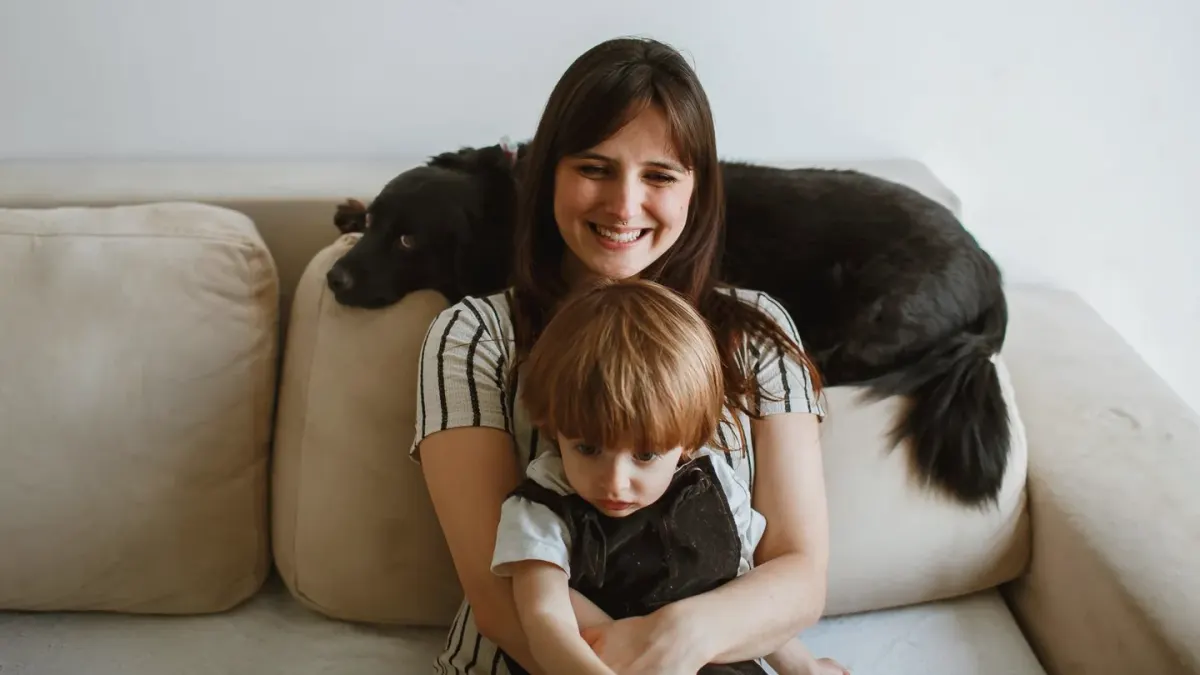
When your dog leans into your leg at night, it can feel like love in its plainest form, steady and warm and close.
In my integrative practice, I hold that moment gently while also staying honest about what we can and cannot prove. We cannot ask a dog what love feels like. What we can observe is attachment, preference, grief when separated, and joy on reunion, patterns that tend to move together. That pattern matters for calming and for aging care, because a bonded dog often settles best through connection rather than correction.

What scientists mean by canine attachment
Researchers often describe attachment as a lasting bond that brings a sense of safety. A dog who is attached may check in with you on a walk, rest easier when you are near, and work harder to reunite when apart.
One widely discussed finding came from a team studying mutual gaze between people and dogs. When dogs and owners shared long gazes, both showed higher oxytocin, a hormone linked to affiliation and parental care, as reported in Science. Wolves raised by people did not show the same loop, which suggests something distinctive developed during domestication.
Oxytocin is not a love test. It rises with nursing, soft touch, and calm contact, and it can rise with excitement too. I explain it to families as one thread in a larger pattern, alongside behavior, history, and health. A dog may have a softer gaze and still struggle with noise fear or night waking. The bond is real, and the nervous system still needs support.
Signs that point toward genuine fondness
Look for a cluster over time rather than one grand gesture. A dog who trusts you will often greet you with a loose body, soft eyes, and a willingness to settle nearby rather than demand constant attention.
Common signs include choosing to rest against you, bringing a toy without tension, checking your face during something uncertain, and recovering more quickly when you speak quietly. Older dogs may show it more subtly, a slow tail thump, following you from room to room, or sighing once they find their spot. Food therapy in TCVM frames this as Stomach and Heart comfort, warmth and regularity that may help support calm.
Change deserves attention too. If a cuddly dog withdraws, paces at night, pants without heat, or stops greeting you, think pain, anxiety, cognitive change, or illness first.
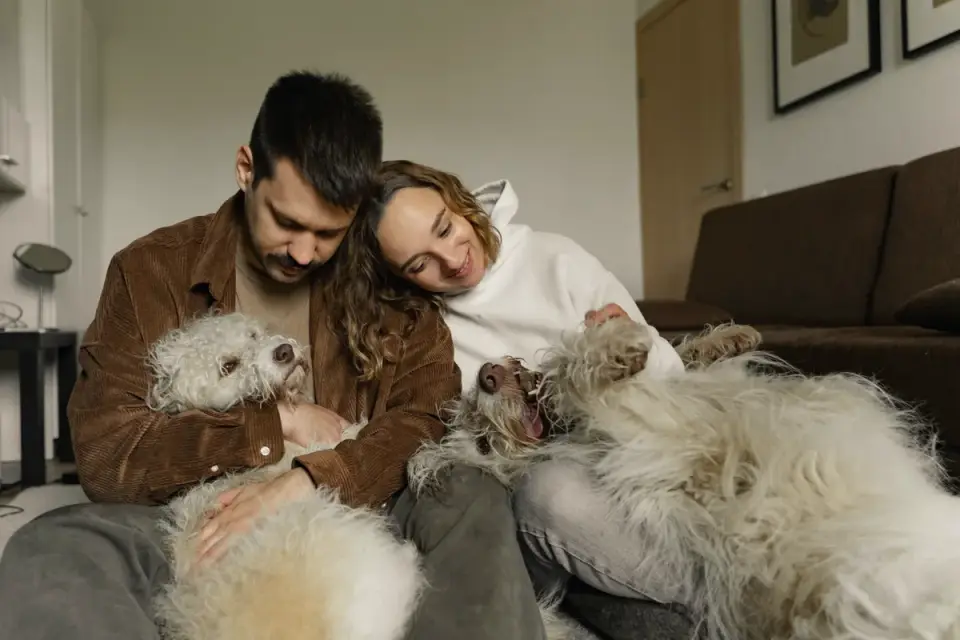
If the bond is real, care should change
An attached dog borrows calm from your rhythm. Keep departures and returns low and kind, with the same phrase, the same mat, the same soft light. For thunderstorm shaking or evening restlessness, try a steady routine before sound support or supplements, a short sniff walk, a warm chew, dim lights, and a predictable bedtime spot. Families exploring gentle options often ask about Dog Calming Chews: What Actually Helps a Nervous Dog Settle or Melatonin for Dogs: What It Actually Regulates, and Where the Evidence Runs Out, and those guides can help you weigh tradeoffs with your veterinarian.
Absences need practice, not just reassurance. Start with very short departures paired with something safe to lick or sniff, then build slowly. Avoid long emotional goodbyes, and avoid punishment for barking, chewing, or accidents that happened while you were gone. If panic is strong, talk with your veterinarian about behavior referral, daytime structure, and whether an apartment routine needs adjustment, as discussed in The Real Test for an Apartment Dog Isn’t Size.
Aging asks for more contact, not less. Keep the bed near you, use nonslip paths, offer warm, easy-to-digest evening meals, and add brief Tui-na style stroking along the shoulders and back if your dog enjoys it. These small steady habits may help support rest and connection, without promising a cure.
So do dogs feel love. I would say they form deep, embodied attachments that function much like love in daily life. Meet that bond with consistency, and the shaky nights tend to soften.
Frequently asked questions
Do dogs feel love for their owners?
We cannot measure love directly, but dogs show lasting attachment through proximity seeking, reunion joy, mutual gaze, and distress when separated, which many families experience as love.
Do dogs miss you when you leave?
Many attached dogs do, and some develop separation distress with barking, pacing, or house soiling. Short practice absences, steady routines, and veterinary guidance help more than punishment.
How can I strengthen my bond with an older dog?
Keep routines predictable, sleep near them, support joints and senses, and offer calm touch and evening settling rituals that match what they still enjoy.