
She had just finished mopping the kitchen when her 4-year-old, 48-pound shepherd mix slipped past the baby gate and licked a damp streak off the tile. She caught him mid-lick, heart hammering, cleaner bottle still sweating in her hand, and she did not know whether to rinse his mouth, offer water, or drive straight to the clinic. That frozen, uncertain moment is the decision fork I want to sit with you in, because what you do in the next twenty minutes matters more than what was on the label last week.
Most floor licks are small exposures to diluted cleaners, and they tend to cause mouth irritation, drooling, or brief stomach upset rather than a crisis. Still, some products change the path entirely, especially concentrates, pods, bleach, phenols, and cationic disinfectants. The work tonight is to tell which story your dog is in, keep him comfortable, and get guidance without adding harm.
First, see what your dog actually met
Before you wipe or rinse anything, take a breath and read the bottle. Note the product name, active ingredients, whether it was diluted or full-strength, and how long ago the lick happened. A quick photo of the front and ingredient panel helps if you need to call. Keep the receipt of time in your head, because by 30 minutes in most mild drooling either eases or tells you it needs a call.
Move your dog to fresh air and away from the wet floor. Offer a small drink of plain water, but do not force water, milk, or food, and do not try to make him vomit. Vomiting can bring a caustic product back up through tender tissue, which is why poison experts advise against home induction. If his lips or paws have residue, gently wipe them with a damp cloth so he does not lick more while grooming.
The ASPCA Animal Poison Control Center maintains the 24-hour line many veterinarians use for exposure triage, and the Pet Poison Helpline notes that household cleaners range from mild irritants to corrosive risks depending on concentration and ingredients. That range is why product identity matters so much. A diluted floor cleaner licked once is a different concern than a concentrated disinfectant or a toilet-bowl product.
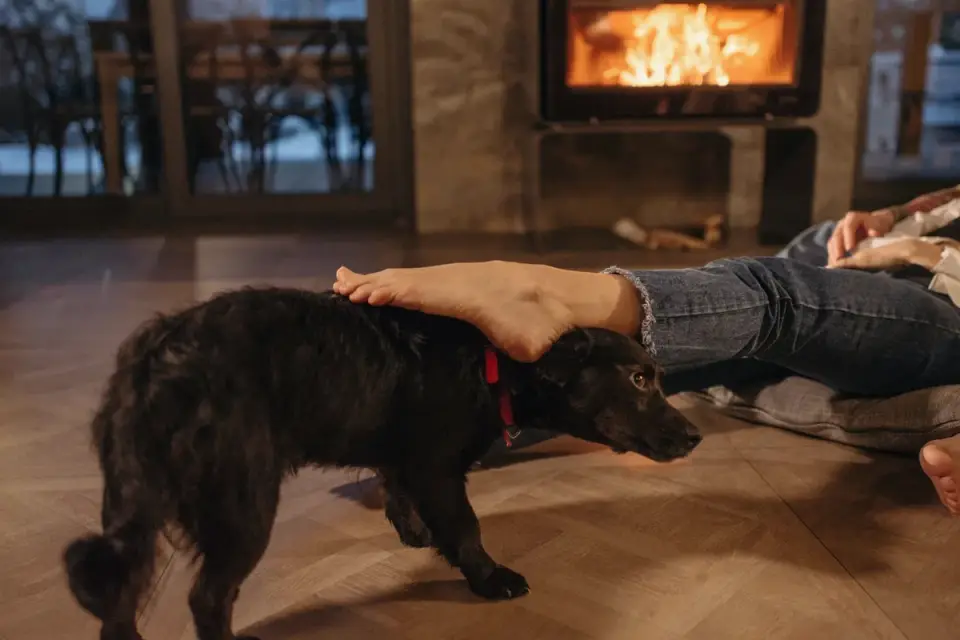
What comfort-first watching looks like tonight
He was a 6-year-old, 22-pound beagle who had lapped at a bucket of diluted mopping water while his owner answered the door. The owner meant well and tried to rinse his mouth with a strong jet from a squeeze bottle, then offered a bowl of milk to coat the stomach. By hour two the beagle was drooling more, pawing at his muzzle, and refusing water, not because the cleaner alone was severe but because the forceful rinse and the wait-and-see had left him sore, stressed, and harder to assess. I share that tradeoff because doing too much can unsettle a shaky dog as quickly as doing too little.
A gentler path may help support comfort and clear observation. Let him rest near you in a quiet room. Offer small sips of water every 15 to 20 minutes if he will swallow easily. Watch the markers that actually change decisions, which include persistent drooling past an hour, lip smacking with refusal to drink, vomiting more than once, coughing or labored breathing, lethargy, or mouth redness and blistering. Keep scents, food puzzles, and excited play put away for the evening.
This kind of low, watchful presence is the same posture I describe in Are Onions Toxic to Dogs? What I Tell Worried Owners at Midnight, where staying close and tracking small changes steadies both dog and family. If worry is running high and your dog is pacing, the settling routines in The 5 Best Calming Supplements for Dogs, Reviewed by a Vet (2026) may help you think about environment and routine, though they do not treat a chemical exposure.
When the worry should move you to the phone
She was caring for a 13-year-old, 34-pound senior dog with early kidney disease who licked a spot where a concentrated bathroom cleaner had been sprayed and incompletely wiped three days earlier in a rental. The amount looked tiny, yet by day one the old dog was turning away from water, licking his lips between naps, and sleeping more heavily than usual. Age and underlying illness lowered his margin, and residue on a supposedly clean floor behaved differently than a fresh diluted mop.
Call your veterinarian, an emergency clinic, or poison control right away if the product was concentrated, corrosive, or petroleum-based, if breathing changed, if the mouth looks burned, if vomiting or lethargy persists, or if your dog is very young, senior, or living with chronic illness. Bring the product photo, estimated amount, and timing. That detail lets the team advise whether home monitoring is enough or whether an exam is warranted.
My position is simple, and it favors quality of life over a quick fix. Rinse gently, offer comfort, track closely, and borrow expert eyes early rather than trying to neutralize or vomit it out at home. The strongest counterargument is that driving in for every lick feels safer, yet unnecessary car rides and clinic stress can unsettle a fragile dog. I still land on calling for guidance every time you feel unsure, because a brief phone triage preserves comfort while catching the few exposures that truly need care.
If the evening passes quietly and he drinks, rests, and greets you normally by morning, ventilate the room, re-mop with plain water, and keep him off floors until fully dry.
Frequently asked questions
Should I make my dog vomit after licking floor cleaner?
No. Do not induce vomiting unless a veterinarian or poison control specifically tells you to, since vomiting can worsen injury from caustic products.
How long should I watch my dog after a small lick?
Watch closely for several hours that evening and recheck through the next morning for drooling, mouth soreness, vomiting, appetite change, or lethargy, and call promptly if signs persist or worsen.
Sources
- Animal Poison Control — ASPCA Animal Poison Control Center