On this page
It is 11pm and the pacing has started again, nails circling the kitchen while you wonder where your dog is supposed to go to finally exhale.
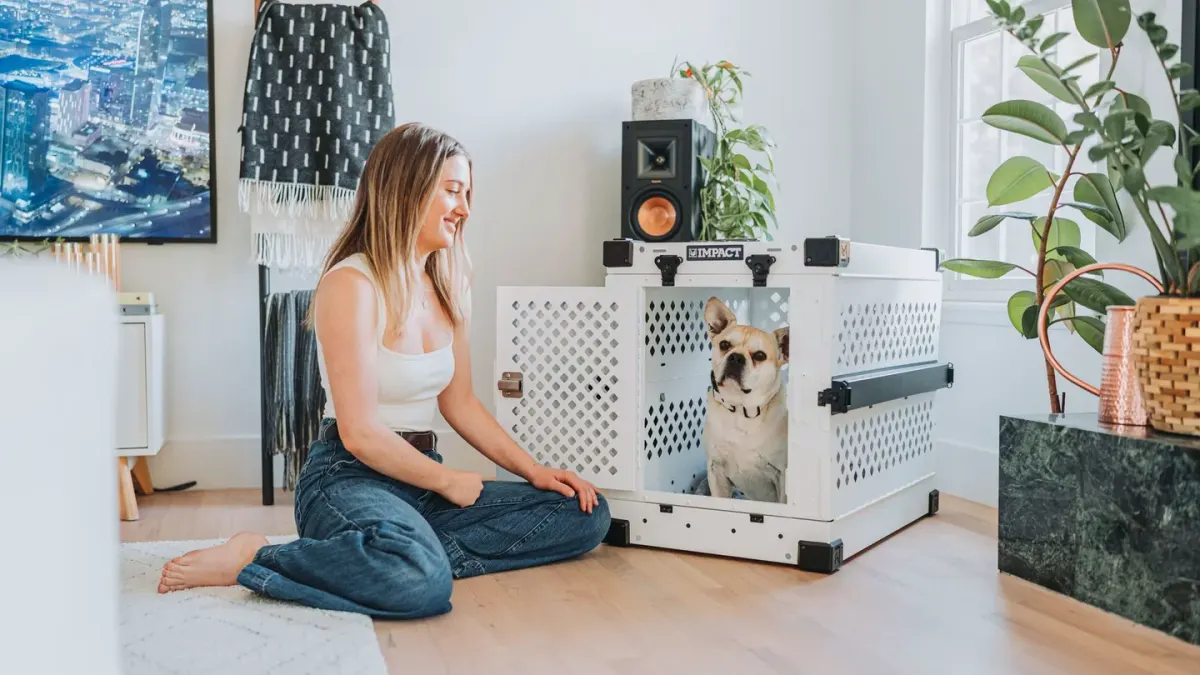
I think about comfort first in these moments, not obedience, because a dog who cannot find a predictable place to rest stays braced. A dedicated dog rest area works only if it is quiet, consistent, and never used as punishment, and that boundary is what turns a corner of the house into a retreat.
The fork: close enough to belong, far enough to settle
Every family faces the same early choice. Place the rest area in the middle of the noise so the dog stays included, or tuck it far away so the house goes silent.
I defend the middle path. Choose a low-traffic edge of a lived-in room, where your dog can still hear you breathe but is not in the doorway, the hallway, or under the television. Dogs are social sleepers, and isolation often raises vigilance rather than lowering it. Guidance on Behavioral Problems of Dogs from the Merck Veterinary Manual describes how conflict, inconsistency, and punishment increase fear-related behavior, which is why placement matters as much as bedding.
Taylor in Colorado Springs faced this with Strudel, a 6-year-old spayed female Standard Schnauzer who paced between the couch and the back door every evening. The living room felt too loud, the laundry room felt too lonely, so Taylor tried a bedroom corner about 10 feet from the bed, with a wall on two sides and a clear view of the door. Within two weeks Strudel began walking there on her own after dinner, which told Taylor the location finally matched her need for both safety and company.
If you live in a small apartment, the same principle holds in miniature. A bedroom corner or a curtained side of the living room often works better than a kitchen or entryway, a point echoed in related guidance on The Real Test for an Apartment Dog Isn’t Size.
Why quiet lets the stress system stand down
Rest is physiology before it is manners.
A dog startled by footsteps, appliance beeps, or street noise stays in short, light sleep, with frequent waking and a sympathetic nervous system that never fully powers down. Lowering sound, light, and foot traffic helps maintain normal sleep cycling and supports a calmer baseline the next day, rather than forcing the dog to cope through exhaustion. The Position Statements from the American Veterinary Society of Animal Behavior explain why aversive handling prolongs that arousal, and why safe, reward-based associations help dogs learn to settle.
That is why the rest area should never double as time-out.
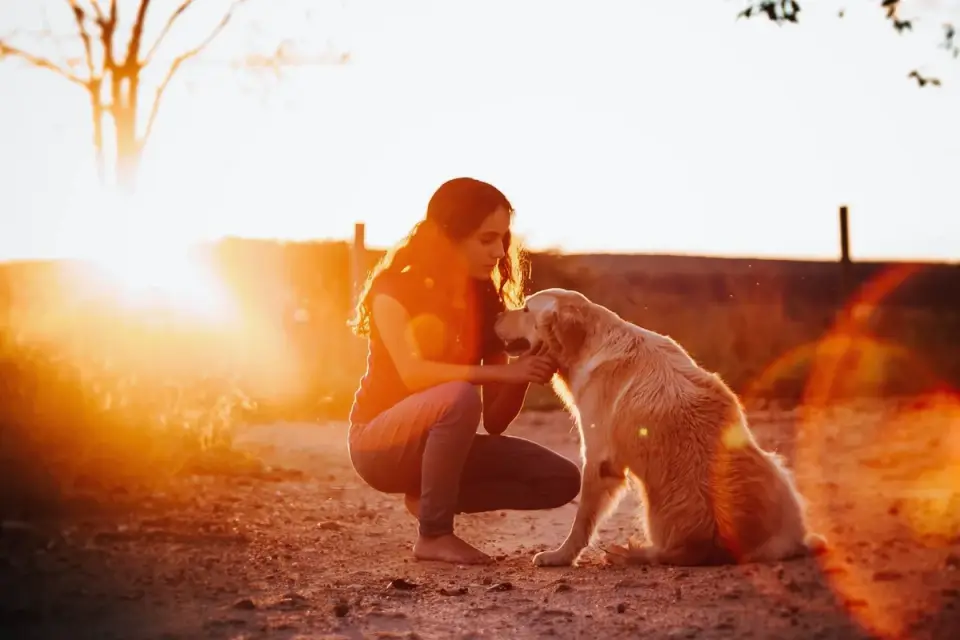
Carrying or sending a dog there after scolding teaches one lesson. The quiet place predicts bad things. Keep the emotional association narrow and kind, with treats, a chew, or calm petting offered for choosing the spot, and no scolding or confinement delivered there.
What I would set up, and what I would leave out
Keep the setup simple enough to repeat every night. A washable bed with sides for leaning, a familiar blanket that smells like home, a water bowl nearby for older dogs, and a dim light or nightlight if your dog startles in the dark.
Texture matters more than thickness for many seniors. Vets often see older dogs circle, then abandon a slick or wobbly bed, so a low, stable surface with grip underneath may help support joint comfort and confidence at bedtime.
Leave out buzzing diffusers, bright lamps, strong fragrances, and toys that squeak and restart the play cycle. A white-noise machine on low can soften sudden sounds, but it should not hiss loudly enough to become its own irritant. For dogs who need extra help settling during storms or fireworks, it helps to review gentle options with your veterinarian, including the categories outlined in The 5 Best Calming Supplements for Dogs, Reviewed by a Vet (2026).
Consistency is the active ingredient.
When settling still does not come
Some dogs will use the area beautifully for naps but still pace at 2am.
That pattern deserves curiosity, not correction. Pain, urinary urgency, cognitive change, and noise sensitivity in aging dogs can all fragment sleep, and a rest area cannot carry that load alone. The Why Dogs Need a Safe Space discussion from the American Kennel Club notes how a predictable safe spot supports dogs during fearful periods, but persistent panting, neediness, house soiling, or sudden avoidance of the spot warrants a veterinary visit.
Evidence that would change my recommendation would be consistent data showing that isolated, silent rooms produce deeper sleep and lower stress markers than socially connected quiet corners. Current behavior literature does not show that. Dogs settle best when safety is both quiet and relational.
Keep the retreat in the same place. Keep the routine in the same order. Let the dog choose it freely, and protect that choice by never using it for punishment.
Frequently asked questions
Should a dog rest area be a crate?
It can be, but only if the door stays open and the crate already feels safe. A crate that is closed after misbehavior becomes punishment, not retreat, so use a bed or open crate the dog can enter and leave freely.
How long does it take a dog to use a rest area on their own?
Many dogs begin visiting the spot within one to three weeks when the location is quiet, the bedding is comfortable, and calm choices there are rewarded. If avoidance continues, reassess noise, location, pain, or anxiety with your veterinarian.
Sources
- Position Statements — American Veterinary Society of Animal Behavior