On this page
She is lying on the kitchen rug at 11 p.m., chin flat, while a stuffed Kong softens untouched beside her. You worry she is bored or fading, and you wonder if you are missing something she needs.
That worry is the decision fork I sit with families in every week. When food does not light a dog up, do we push harder with higher-value treats, or do we set food aside and build enrichment around the senses that do bring her alive. I land firmly on the second path. Comfort grows when we follow the dog’s own preferences, not when we persuade her to want what other dogs want.
A 9-year-old, 58-pound spayed retriever mix I followed as a composite hospice case captures this well. Her family had tried peanut butter puzzles and freeze-dried toppers for three weeks with no change, and evenings felt heavy with pacing and sighing. On exam she was stiff rising, still bright on walks, and completely uninterested when a treat was tossed near her nose. But when her person opened the back door and let her stand in cool grass, her tail lifted and she tracked air for a full minute. By day 10 of twice-daily sniff walks and a soft fleece to burrow in, the pacing eased and she chose rest sooner. The shift was not about appetite. It was about access to smell, air, and choice.
Start where the nose already knows
For many dogs who skip food, the nose is the open door. Sniffing is low effort, self-paced, and mentally full. The American Kennel Club describes this kind of sensory enrichment as letting dogs explore smells, textures, and novel settings at their own speed.
Try a decompression walk where sniffing sets the route. Use a long leash in a quiet patch of grass, stand still, and let her choose. At home, hide a worn T-shirt or a sprig of safe herbs like rosemary in a cardboard box and let her investigate. No reward needed beyond the sniff itself.
Comfort looks like soft eyes, slow tail sweeps, and a settling sigh.
Trade the puzzle for movement she chooses
Some dogs feel better when their bodies move gently. Short, choice-based play can maintain mobility and mood without a single treat.
The team at VCA Hospitals notes that regular play and gentle exercise help support normal behavior and the bond between dog and family.
Watch what she offers on her own.
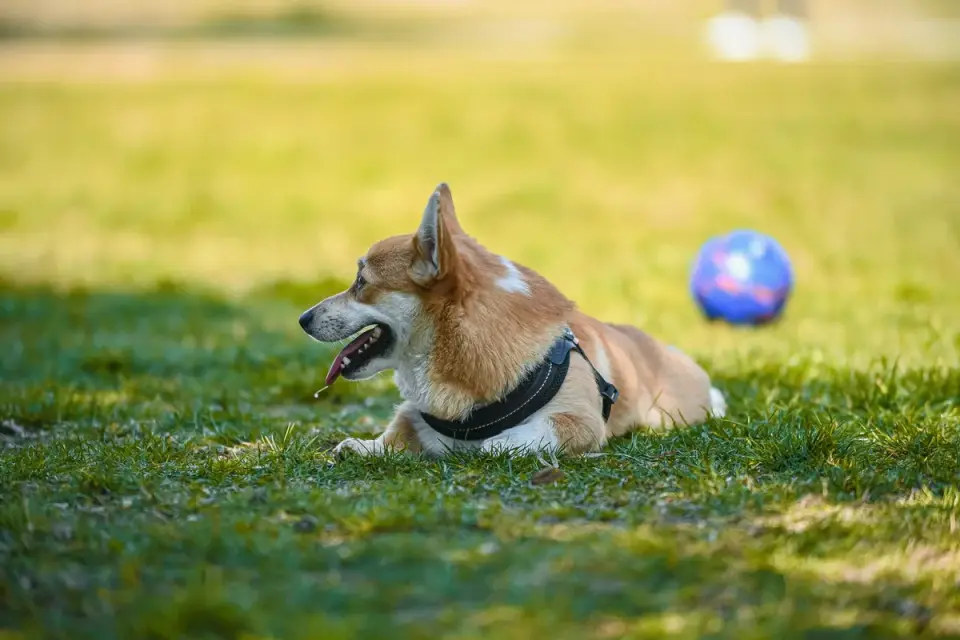
A 4-year-old, 44-pound cattle dog mix shows the tradeoff I see often. His people bought three food puzzles in two weeks, then smeared them with wet food and cheese when he walked away. He licked once, left the room, and chewed the rug edge instead. The harder they tried to make food exciting, the more he avoided the enrichment corner entirely. When we paused all food tasks and offered five minutes of slow fetch with a soft ball in the hallway, he stayed engaged for four throws, then carried the ball to his bed. By day 14 he was greeting the hallway game but still ignoring the puzzles. The lesson was quiet but clear. Pressure around food shrank his world.
Movement works best in small doses. Two throws, not twenty. A slow wander to the mailbox. A few steps over a broom handle on the ground for a steady senior.
Let company and texture do the quiet work
Touch, closeness, and safe novelty may help support a sense of ease in dogs who do not play hard. Grooming with a soft brush, sitting together on a porch, or rotating two blankets with different textures can be enough.
Guidance from the Ohio State University Indoor Pet Initiative frames this well, emphasizing social contact, resting comfort, and changes in the sensory environment as core parts of daily enrichment.
If your dog startles at new objects, keep novelty tiny. One new sound at low volume. One new surface. Always with an easy exit.
For more ideas on matching toys and activities to temperament, our guide to Enrichment Toys for Mental Stimulation: What Actually Helps a Bored Dog walks through calm first steps, and How to Handle Raw Dog Food Safely is useful background if you handle fresh food toppers while you test preferences.
When low food interest needs a second look
A 7-year-old, 19-pound terrier mix reminds me why edge cases matter. She had never been food-driven, but over three weeks she also stopped greeting her person at the door, slept through her favorite sun spot, and turned from both sniff walks and lap time. Bloodwork later showed nausea and mouth pain were dampening all interest, not just appetite. Once comfort and dental care were addressed, scent games returned within ten days, though food puzzles never became her thing.
That pattern guides my counterargument honestly. The strongest pushback to my approach is that skipping food can miss a medical change. Appetite loss can reflect dental pain, nausea, kidney discomfort, or cognitive shift in older dogs. I still land on following non-food enrichment first, because it respects the dog in front of us. I hold that alongside a clear limit. A new or deepening disinterest, especially paired with weight loss, vomiting, drooling, or withdrawal, deserves a veterinary visit before we call it personality.
She may never love the Kong. She can still have full days.
Frequently asked questions
My dog ignores all treats. Is something wrong?
Some dogs are simply less food-driven and prefer sniffing, movement, or company. A sudden change in interest, weight loss, vomiting, drooling, or withdrawal deserves a prompt veterinary check.
How do I start enrichment without food?
Begin with a five-minute sniff walk, one novel scent in a box, or quiet time together on a familiar blanket. Watch for soft eyes and easier rest, then repeat what she chooses.
Should I keep trying higher-value foods?
A brief trial is reasonable, but do not pressure a dog who walks away. Enrichment should feel like choice, not coercion. Focus on scent, gentle movement, and social comfort instead.
Sources
- Play and Exercise in Dogs — VCA Hospitals