
On this page
Milo had started pacing at 11 p.m. again, nails ticking across the kitchen tile while his owner sat barefoot with a lukewarm tea. He is four years old, a 52-pound mixed-breed with a soft brown coat, and thunderstorms had never bothered him until this spring. Now the evening routine felt fragile. His stools had gone soft off and on for three weeks, he skipped breakfast twice, then begged at dinner like nothing was wrong. The question at the table was simple and tired: should they chase the anxiety first with more training and calming routines, or start with the gut and see if his mood steadied when digestion steadied?
Should you start with the bowl or the behavior plan?
That fork matters because both paths look caring. Behavior work teaches a dog what to do with worry. Food-first reasoning asks what the body brings to that lesson. A dog that feels gassy, crampy, or urgently needs to go outside at 2 a.m. does not learn the same way as a dog that feels comfortable in its belly.
My position is direct: start with steady, digestible feeding that may help support normal digestive function, then layer behavior support on top. The strongest counterargument is fair — some dogs have primary anxiety, noise phobia, or under-exercised minds, and no feeding change replaces training, enrichment, or veterinary behavioral care. That counterargument holds for many dogs. I still land on food first because structure and function come first. Comfortable gut function helps maintain normal sleep, appetite rhythm, and trainability. Training lands better when the belly is not distracting the brain.
The gut and brain stay in contact through nerves, circulating signals, and immune messaging. A working summary used in veterinary reviews is that “A balanced gut microbiome supports overall immune function.” Immune balance, nutrient uptake, and regular motility together help maintain the steady internal state that supports calm behavior. It is structure-and-function language, not a promise to fix fear.
What does the gut say to a dog’s mood?
Think of the connection as traffic, not telepathy. The vagus nerve carries signals between gut and brain. Microbes ferment fiber into short-chain fatty acids that help nourish colon cells and help maintain normal gut barrier function. Discomfort signals — stretch, gas pressure, nausea, urgency — travel the other direction and shape how a dog acts. Restlessness, clinginess, lip licking, yawning, asking out repeatedly, or guarding the belly on the couch can reflect digestive unease rather than disobedience.
Diet shapes that traffic. Consistent meal timing, adequate water, digestible protein, and mixed fiber sources that include both soluble and insoluble fractions may help support normal stool quality and regular transit. As one veterinary claim summary puts it, “Pumpkin fiber is a gentle, natural source of both soluble and insoluble fiber.” That distinction matters for behavior because soluble fiber feeds fermentation while insoluble fiber helps maintain normal bulk and transit. Guidance on fiber ceilings and signs of excess is covered in Can You Give a Dog Too Much Fiber? What Actually Happens, and How to Tell, which pairs well when stools swing soft then firm.
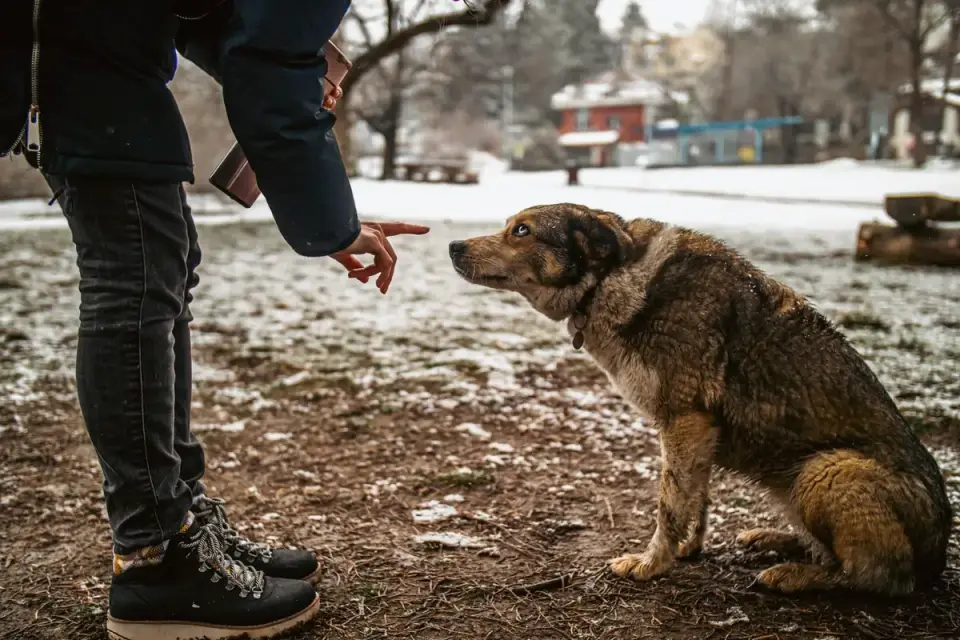
For two weeks they tried the common shortcut. The same 52-pound dog got a new salmon kibble swapped overnight, plus three different toppers, a calming chew from the pet store, and a late-night long walk meant to tire him out. By day 10 his 3 a.m. whining was louder, not softer. His stools seesawed from formed in the morning to pudding by evening, and he started refusing the bowl he had begged over the week before. The owner felt guilty for changing too much at once and worried the training window was closing. The tradeoff was clear in hindsight: each new variable made it harder to tell whether food, tiredness, or worry was driving the pacing.
Why do more changes often mean less calm?
That failed sprint is common. Rapid diet swaps, stacked supplements, and irregular feeding times can keep motility unsettled. Dogs thrive on predictability while the gut adapts. Probiotic responses also differ between individuals. In one recent canine trial, “Diversity metrics did not distinguish non-responders from responders,” reported by Frontiers in Veterinary Science. Plainly said, a laboratory diversity score did not tell owners which dogs would show a visible response. Observable markers — stool form, appetite rhythm, sleep through the night, ease on walks — remain the practical guide.
Food-first care stays simple here. Feed at the same hours. Measure meals instead of scooping by eye. Transition foods over 7 to 10 days. Keep treats to a small share of daily intake. Note stool, gas, appetite, and evening restlessness in a short log. If loose stool follows a diet change, the approach in How to Firm Up a Puppy’s Loose Stool Naturally: A Food-First Vet Guide and the raw-transition cautions in Dog Stomach Upset After Switching to Raw Food: A Calm, Vet-Reviewed Guide translate well beyond puppies or raw diets. When enzymes come up in conversation, Digestive Enzymes for Dogs: When They Help, and When They’re Just an Expensive Habit helps separate routine support from medical need.
When does the pancreas change the story?
A nine-year-old, 68-pound German Shepherd mix showed the edge case. She had lost weight despite a good appetite, passed pale, bulky stools, and had grown irritable around handling after meals. Her owner assumed age-related anxiety. Bloodwork and fecal assessment pointed toward exocrine pancreatic insufficiency, where the pancreas no longer supplies enough digestive enzymes. Standard veterinary management is clear: “EPI is treated by pancreatic enzyme replacement therapy, nutritional management (low-residue diets with moderate fat content), and supplementation of cobalamin,” as summarized by the American Veterinary Medical Association.
Her mood softened only after digestion steadied, and even then the gut remained sensitive. That persistence is recognized: “Future studies are needed to further understand the causes of persistent dysbiosis in animals with EPI following initiation of pancreatic enzyme replacement therapy and assess the efficacy of treatments to ameliorate these abnormalities.” For owners, the lesson is practical. When weight loss, ravenous appetite with poor condition, greasy or pale stools, or chronic soft stool pair with behavior change, ask a veterinarian about medical causes before assuming a training problem.
A steadier next three weeks
Choose one digestible diet that suits your dog’s life stage, feed it on schedule, and hold steady for three weeks. Add fiber or probiotic support only with veterinary guidance, one change at a time, watching stool form by day 10 and evening rest through week three. Pair that steadiness with short, predictable calming rituals — same bedtime spot, same brief settle exercise, same quiet exit. Veterinary review by Johnny Slaughter, DVM, CVA, CVFT, keeps this guidance in structure-and-function terms: food may help support normal digestive function, which helps maintain the comfort that lets behavior work succeed.
Seek prompt veterinary care for vomiting with lethargy, bloody stool, abdominal pain, rapid weight loss, or sudden severe behavior change.
Frequently asked questions
Can an upset stomach make my dog anxious at night?
Discomfort from gas, urgency, or nausea can show up as pacing, clinginess, or repeated requests to go out. Track stools, appetite, and sleep for two to three weeks and share the pattern with your veterinarian.
Will probiotics calm my dog's behavior?
Probiotics are fed to help support normal digestive function, not as calming agents. Responses vary between dogs, so judge by observable stool quality, appetite rhythm, and rest rather than laboratory claims alone.
When should behavior change prompt a vet visit for gut disease?
Schedule an exam for weight loss despite good appetite, pale or greasy stools, chronic soft stool, vomiting, belly pain, or sudden severe behavior change. Those signs can reflect medical issues such as pancreatic insufficiency that need diagnosis.
Sources
- Persistent dysbiosis and EPI treatment review — American Veterinary Medical Association
- Probiotic response and microbiome diversity in dogs — Frontiers in Veterinary Science