
If the night is cold and two big bodies are trying to share one small house, no one rests well.
The decision fork is simple. One oversized insulated house where both dogs can lie down without touching the walls, or two separate houses placed close together. For most bonded pairs of large dogs who already sleep touching, I defend one larger shared house. For pairs who guard food, guard space, or run very different in size or age, separate houses remain the kinder choice.
A quick checklist before you buy or build
- Floor space for two full side-lying outlines, plus a few inches between them
- Door height near shoulder height, with a flap or baffle to slow wind
- Raised floor, sealed seams, and bedding that stays dry
- Ventilation up high, away from sleeping level
- Placement out of wind, with shade and water access in milder weather
- A plan for older joints: low entry, non-slip floor, thick washable pad
Shared body warmth only helps if both dogs can lie down properly.
One roomy house or two smaller ones
Two large dogs curled tight to fit may look cozy. In practice, vets often see the dog on the edge half-out the door, or one dog choosing the concrete instead. That defeats the insulation. Dogs lose heat through conduction to cold ground, convection from wind, and radiation to cold surfaces, a pattern described in cold-weather guidance from the American Veterinary Medical Association.
Measure both dogs from nose to tail base while lying on their sides, then add width for two chest depths. If they cannot both settle in that side-lying posture at once, the house is too small to share for overnight rest. This is the same sizing logic that matters for travel, where space and posture change comfort more than owners expect, as discussed in Traveling With a Small Dog vs a Large Dog: What Actually Changes.
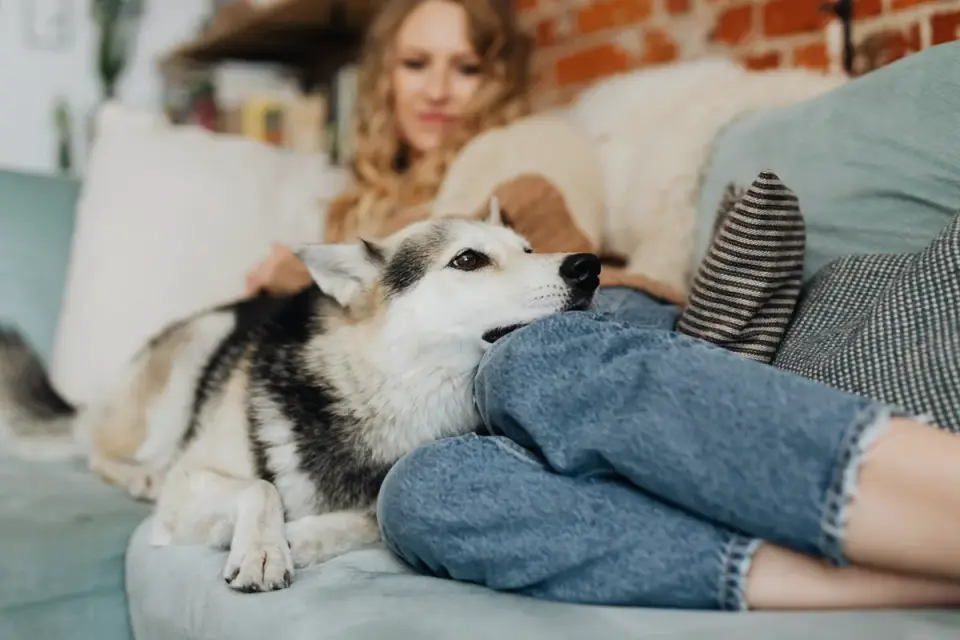
A single-sentence truth holds here. A shared house should be sized for two resting dogs, not two sitting dogs.
What keeps the inside steady
Insulation slows heat loss. It does not create heat. The dogs are the furnace, and dry air is the blanket.
Look for walls with a true insulated core, tight joints, and a raised floor that breaks contact with frozen ground. Caulked seams, a sloped roof with overhang, and a wind baffle at the entry matter more than wall thickness alone. Bedding should cushion joints and stay dry. Wet straw or flat blankets lose their loft and hold cold against the skin.
Ventilation still matters in winter. A small vent near the roof lets moist breath escape without drafting across the sleeping level. Damp air feels colder and keeps coats from doing their work. Guidance from the American Kennel Club notes that dry, draft-free shelter with unfrozen water is part of basic cold-weather care.
Placement does quiet work. Set the house with the door away from prevailing wind, slightly elevated for drainage, and near the family door where checks happen naturally. The VCA Hospitals description of cold stress in dogs is a useful reminder that shivering, stiffness, and reluctance to settle deserve a prompt move indoors.
Comfort for aging bodies
Older large dogs feel cold sooner and rise with more effort. A low, wide entry with no high lip protects shoulders and hips. Inside, a firm, washable orthopedic pad supports elbows and hocks better than a deep pile that traps moisture. Keep the path to the house short, lit, and non-slip.
This is where quality-of-life framing helps more than adding another accessory. If a senior dog paces, circles without lying down, or leaves the house to lie alone, believe that signal. Add space, add dry bedding, lower the entry, or move both dogs inside for the night. Warmth that requires contortion is not rest.
Size assumptions cause similar trouble indoors, especially when square footage shapes expectations, a point explored in The Real Test for an Apartment Dog Isn’t Size.
Where separate houses win
A shared house stops winning when one dog needs solitude to feel safe. Dogs with resource guarding, significant age gaps, or medical needs that require separate bedding often sleep better apart. Two houses side by side, with a windbreak between them and doors facing the same sheltered direction, can still share warmth from proximity while protecting rest.
For most easygoing pairs, my quiet recommendation stays with one generously sized insulated house, built dry and draft-free, bedded for joints, and placed where you will actually check it. Comfort first, then insulation can do its job.
What would change your plan tonight — space, dryness, or how your older dog moves at the door?
Frequently asked questions
How big should an insulated house be for two large dogs?
Size it so both dogs can lie on their sides at once without pressing the walls, with a few inches between them for airflow and position changes.
Is one shared house warmer than two separate houses?
It can be, because two bodies add heat to one air space, but only when both dogs fit comfortably and air stays dry and draft-free.
When should large dogs come inside instead?
Bring them inside with shivering that does not stop, stiffness, confusion, wet coats in freezing wind, or any reluctance to settle despite dry shelter.
Sources
- Cold-Weather Animal Safety — American Veterinary Medical Association