
On this page
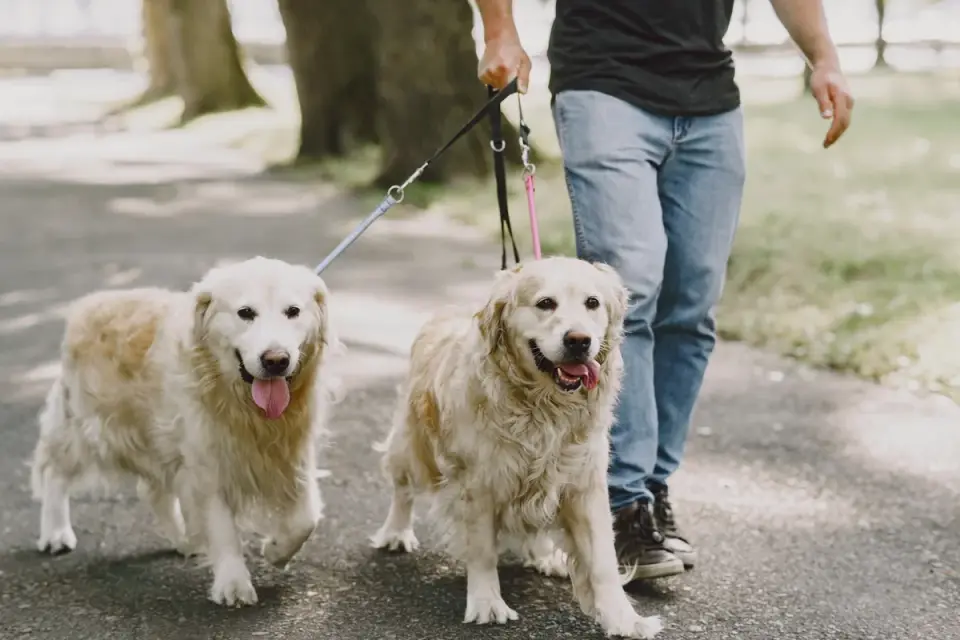
If you have watched your dog slow down on a walk they used to love, or noticed a soft new cough settle in around bedtime, that worry deserves a name rather than a shrug. Taurine is an amino acid that helps heart muscle contract steadily, and when a dog’s whole-body stores drop over months, the early signs are quiet and easy to explain away. The most common ones are tiredness that outlasts a good nap, less stamina than the same dog had a year ago, an occasional cough, faster or harder breathing at rest, and now and then a wobble or a brief faint after excitement. Pale or bluish gums, a swollen belly, or a sudden collapse are later, louder signals that ask for a same-day visit.
Here is the honest part. Many dogs show almost nothing until the heart is already struggling. Low taurine tends to work slowly, thinning and weakening the heart wall into what one veterinary manual describes as more of a flabby balloon than a strong pump, a condition called dilated cardiomyopathy, or DCM. So the goal is not really to catch a dramatic symptom. It is to know whether your dog sits in a higher-risk group, and to ask the right question early.
Why some dogs run short on taurine
Dogs are not cats. A cat cannot make its own taurine and will go blind and heart-sick without it in the bowl, which is why every commercial cat food is supplemented. Dogs, being more omnivorous, usually build their own taurine from two other amino acids, cysteine and methionine, so taurine is not classed as strictly essential for them. That word usually is where the pattern gets interesting.
Some dogs seem less efficient at that internal manufacturing. Golden retrievers stand out here, and researchers suspect a genetic quirk that, paired with certain diets, becomes what one cardiologist called a double hit. American cocker spaniels, English cocker spaniels, Newfoundlands, and some Labradors and setters turn up in the same conversation. Diet is the other half of the pattern. Foods low in bioavailable methionine and cysteine, some homemade recipes built without a veterinary nutritionist, and certain legume-heavy or grain-free formulas have all been linked to lower taurine status in susceptible dogs. Liver disease and trouble absorbing nutrients can quietly drain stores too.
Getting a real answer
Taurine deficiency hides from ordinary bloodwork. A standard chemistry panel will not show it, which is part of why it slips past. If your dog is in an at-risk breed, eats a non-traditional diet, or is young with unexpected heart changes, ask your veterinarian specifically about a blood taurine level, usually a whole-blood or plasma sample sent to a specialty lab. If the heart itself is a question, an echocardiogram lets a cardiologist actually watch the muscle contract and measure the chambers. The two tests together tell the real story: whether taurine is low, and whether the heart has begun to change.
From a whole-patient view, I would also want to hear the rest of the picture, the appetite, the energy through the day, the coat, the stool, how the dog recovers after play. Those small observations are the kind of pattern that food therapy and good medicine both read, and they help your vet decide how urgently to look.
What treatment looks like, and why there is real hope
This is the encouraging part. When DCM is truly driven by taurine deficiency, the outlook is often good. In a study of golden retrievers published in PLOS ONE, twenty-three of twenty-four affected dogs improved on their echocardiograms and normalized their taurine after a diet change and supplementation, and several were weaned off heart medication entirely. Treatment usually means moving to a complete, well-tested commercial diet, adding taurine under veterinary direction, and rechecking both the taurine level and the heart over the following weeks to months. Recovery is not overnight, and advanced cases may still need heart support, but a weakened heart can genuinely regain ground here in a way it rarely does with the inherited form of DCM. Please do not start taurine on your own, though, because supplementing without a diagnosis can mask what is actually going on and delay the right care.
The grain-free question, honestly
You have probably heard grain-free food blamed for all of this, and the truth is more tangled. From January 2018 through April 2019 the FDA logged 553 reports of DCM in dogs, far above the handful seen in prior years, and more than ninety percent of those diets were grain-free, most of them containing peas or lentils. But the agency also found that taurine deficiency did not appear to be the main driver in many of those cases, since plenty of affected dogs had normal taurine, and in late 2022 it said it could not establish a causal link and would not keep issuing updates. So taurine-deficiency DCM is one real, treatable pattern, while the broader diet question is still open. A sensible middle path is a diet with a long track record and feeding trials behind it, and an honest conversation with your vet if your dog eats grain-free and sits in a high-risk breed.
Watching for these signs is not about fear. It is about paying the same quiet attention you already give your dog, and knowing which small change is worth a phone call. If any of this sounds like the dog sleeping at your feet right now, the next unhurried step is simply to ask your veterinarian whether a taurine test belongs in this year’s checkup.
Frequently asked questions
Can dogs recover from taurine deficiency?
Often, yes, when taurine is the real cause. In a PLOS ONE study of golden retrievers, twenty-three of twenty-four dogs improved on their echocardiograms and normalized their taurine after a diet change and supplementation, and several were weaned off heart medication. Recovery takes weeks to months and works best when it starts before the heart is severely damaged, so an early taurine test matters.
Does grain-free food cause taurine deficiency in dogs?
The link is real but not simple. The FDA logged 553 DCM reports in dogs from January 2018 through April 2019, and more than ninety percent of those diets were grain-free. But the agency found taurine deficiency was not the main driver in many cases, and in late 2022 it said it could not establish a causal link. If your dog eats grain-free and sits in a high-risk breed, that is a good conversation to have with your vet.
How is taurine deficiency in dogs diagnosed?
Not on a routine blood panel, which is part of why it gets missed. Your veterinarian sends a specific whole-blood or plasma taurine sample to a specialty lab, and usually adds an echocardiogram so a cardiologist can watch the heart muscle contract. Together those two tests show whether taurine is low and whether the heart has begun to change.
Sources
- Taurine deficiency and dilated cardiomyopathy in golden retrievers fed commercial diets — PLOS ONE
- Dilated Cardiomyopathy in Dogs and Cats — Merck Veterinary Manual
- FDA Investigation into Potential Link between Certain Diets and Canine Dilated Cardiomyopathy — U.S. Food and Drug Administration
- Researchers Getting Closer to Understanding Dietary Taurine and Heart Disease in Dogs — Morris Animal Foundation
- Low plasma taurine levels in English cocker spaniels diagnosed with dilated cardiomyopathy — Journal of Small Animal Practice