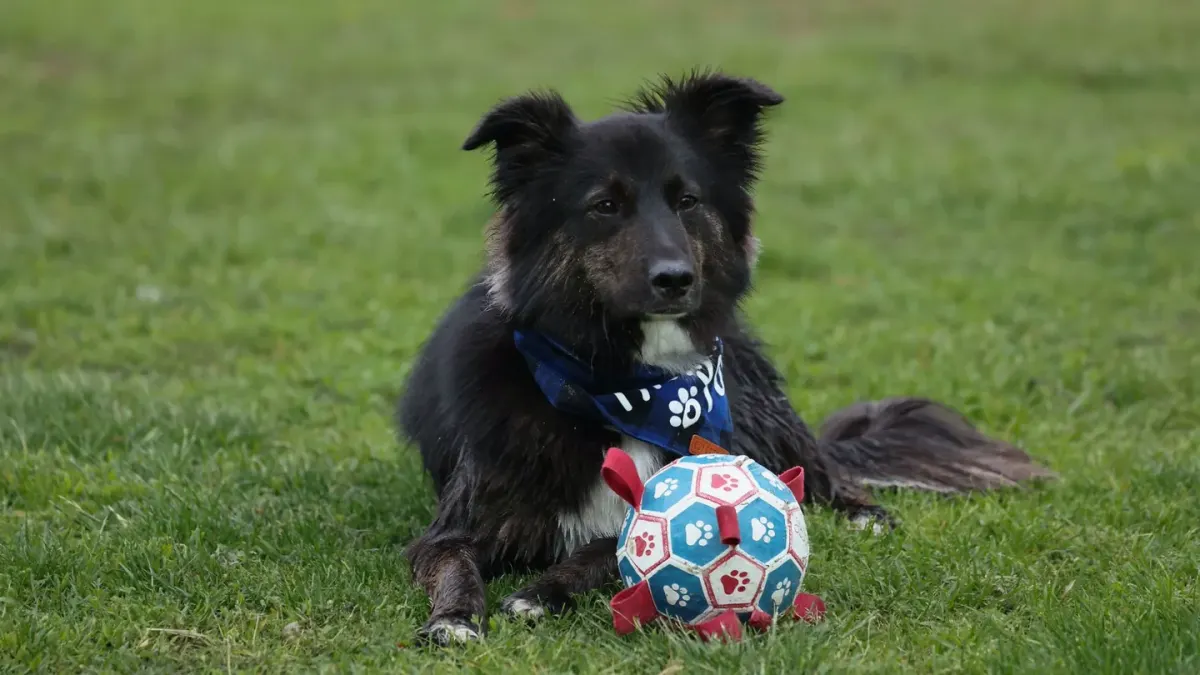
If your evenings end with pacing, panting, and a ball dropped in your lap again and again, you are choosing between two kinds of tired.
One is the wired tired you get from fetch. The other is the soft-eyed, sigh-and-fold tired you get from foraging. For an anxious dog or a stiff senior, I will take foraging almost every time.
Should you fetch the energy out or sniff it out?
Fetch raises arousal. Heart rate climbs, eyes lock, legs sprint, and the brain learns to chase the next throw. Some young dogs love that, and it has its place in daylight.
Sniffing does the opposite job. The head drops, breathing slows, and the nose leads in small zigzags. From a neurology view, that rhythmic nose work is thought to shift the dog from scanning and reacting toward searching and processing. From an integrative view, it is grounding food therapy in action. Warm, familiar food found by effort may help support a settled Shen, or calm spirit, without pushing an old body.
Sniffing is quiet work, and quiet work is the point.
That is why my recommendation is simple. When the goal is a calmer night, reach for the snuffle mat before you reach for the ball. You can still walk and play, just let the last activity before rest be slow.
This is the same split you see across enrichment toys that help a bored dog. Challenge can entertain, but only sniff-first play reliably downshifts the nervous system.
Why slow foraging may help support calm
A snuffle mat is a flat base of fleece strips where kibble or treats hide. The dog must breathe in, sort scent, push fabric aside, and eat one piece at a time. It mimics the natural sequence of seek, find, and consume.
Trainers certified through Fear Free often describe this kind of choice-based foraging as a way to give worried dogs control. The dog decides where to sniff next, how fast to go, and when to pause. Control may help support confidence, especially during storms, visitors, or night waking.
The American Veterinary Medical Association also encourages owners to include mental enrichment as part of everyday care, not just physical exercise. A few minutes of nose work can complement a short walk for a senior who cannot handle long miles.
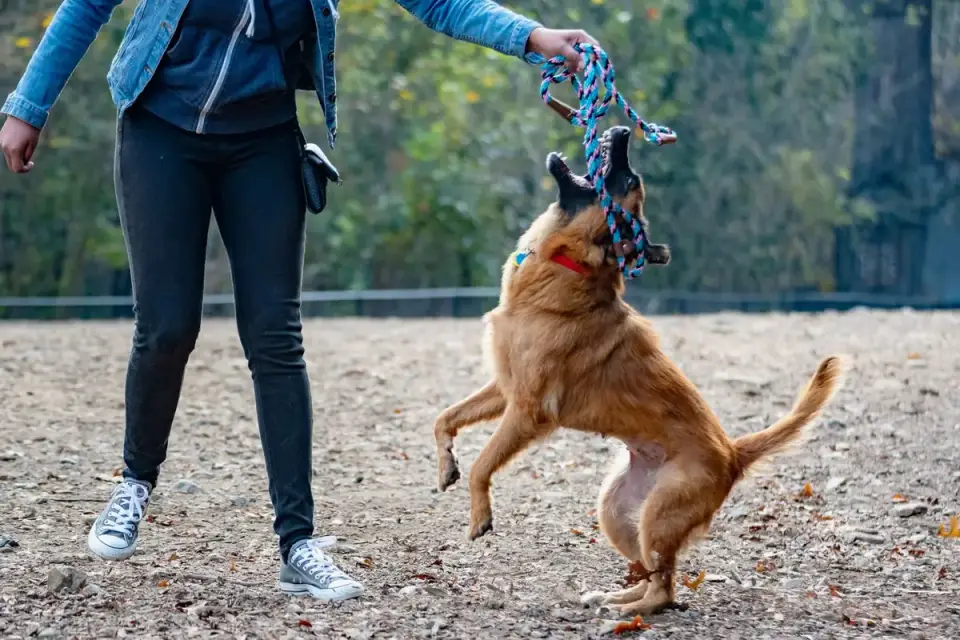
Vets often see the same pattern in restless young adults. Take Leon in Tallahassee, Florida, who lives with Mingus, his 2-year-old neutered male French Bulldog. Mingus would spin by the back door and whine after dinner, and Leon debated another round of hallway fetch or trying a mat. He scattered a quarter cup of dinner kibble in the folds and let Mingus search for about ten minutes for three evenings in a row. The spinning faded, and Mingus chose his bed with a chew instead of circling. For a breed that can stay wired late, that fork in the road matters, as this look at when French Bulldogs tend to settle explains.
Make the mat easy enough to win
A mat only calms if the dog succeeds. Frustration barks, paw slaps, and mat dragging mean you made it too hard.
Start with dinner, not extra treats. Sprinkle kibble on top where your dog can see it. Let him eat those wins, then tuck just a few pieces one layer down. Keep the first sessions to five to ten minutes, then pick the mat up. Ending while he still wants more builds interest for tomorrow.
For seniors or flat-faced dogs, keep the fleece loose and shallow so breathing stays easy. For worried dogs, place the mat in a corner where no one steps over them. Sit nearby with your tea and keep your voice low. Your calm helps his calm.
Wash the mat often and check for loose strips. Supervise every session and remove the mat when you leave the room. If your dog tries to chew fabric, trade for a treat and reset with easier hides. Many families rotate between a mat and treat-dispensing toys so meals stay novel without adding a lot of calories.
Now for the doubt a skeptical friend always raises. Will this just bore him or make him fat?
Boredom usually comes from too much difficulty, not too little. If he walks away, you hid too much. Make it easier, use smellier food, and shorten the time. Weight is about portions, not the mat itself. Measure his meal, put part of it in the mat, and skip the extra handful. What you are changing is speed and effort, not amount.
So tonight, try sniffing last. Dim the lights, scatter part of dinner, and let that busy nose do the settling work fetch never could.
Frequently asked questions
How long should a snuffle mat session last for an anxious dog?
Keep it short and successful. Five to ten minutes using part of dinner is enough for most anxious or older dogs, then pick the mat up and let your dog rest.
Is a snuffle mat good for senior dogs?
Yes, when you keep hides shallow and sessions supervised. Slow sniffing gives mental work without running or jumping, which may help support calm in stiff or easily tired dogs.
Sources
- Fear Free Happy Homes — Fear Free
- Pet Owner Resources — American Veterinary Medical Association