
On this page
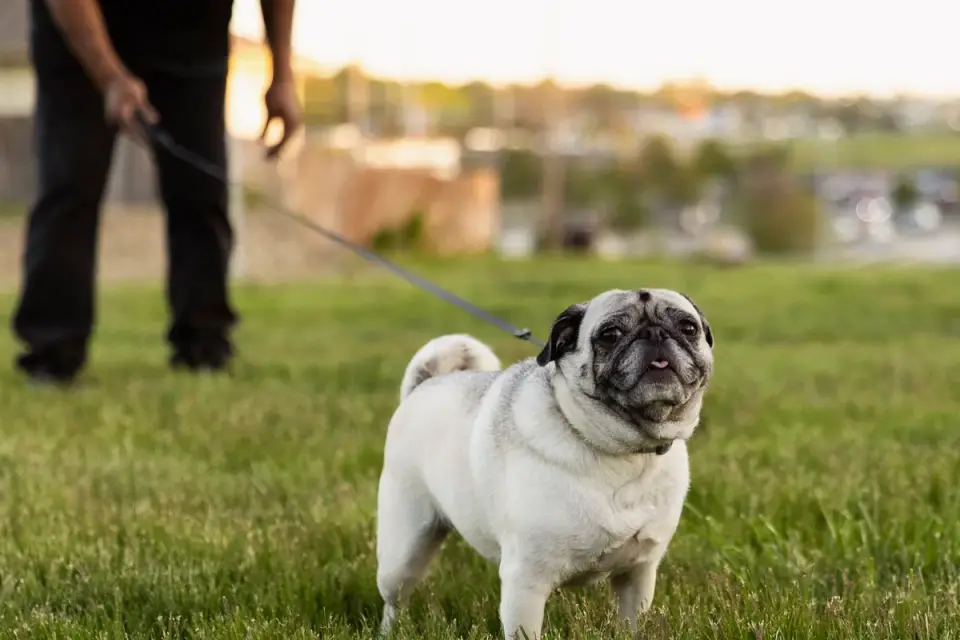
Noise sensitivity is the most common anxiety-related trait in dogs. One survey of nearly 13,700 pets put its prevalence at about one in three, and the tendency to fear everyday sounds climbs as a dog ages. So when a senior who slept through years of vacuuming starts flinching at a dropped spoon, he isn’t being dramatic and he hasn’t turned on you. His ears and his aging brain are handling sound differently than they did at three. Here’s what to do about it, roughly in the order a rehabilitation-minded vet would work through it.
Rule out pain before you call it behavior
Book a full physical exam, and ask specifically for an orthopedic once-over. In a 2018 study in Frontiers in Veterinary Science, dogs whose noise sensitivity was linked to musculoskeletal pain first showed their fear nearly four years later in life than dogs with no identified pain focus. The proposed mechanism is quietly logical. A startle makes the whole body tense, that tensing pulls on a sore hip or spine, and the dog learns to brace against the very sounds that hurt him. From a pattern-thinking standpoint, the sound is not the problem — it is the trigger that keeps exposing an aching, guarding body.
An older dog who startles for the first time in his life earns a pain workup before anything else. Arthritis, dental disease, and a low-grade ear infection all read, from the outside, as “he’s just gotten jumpy.”
Watch for the pain signs that don’t look like a limp
Pain in an aging dog rarely announces itself by limping. Watch instead for a dog who slows at the bottom of the stairs, hesitates before jumping onto the couch, shortens his stride on walks, licks steadily at one joint, or stiffens after a long rest. A shorter temper counts too. Bring that list to the exam, because it helps your veterinarian find the sore spot faster than a general “he seems off.”
Learn what aging ears actually do to sound
It sounds backwards. A dog losing his hearing should react to less, not more. Here is the catch. Age-related hearing loss, called presbycusis, doesn’t dim the whole sound world evenly. The delicate high-frequency hair cells in the inner ear wear out first, usually somewhere around eight to ten years of age, and those are the cells that carry the soft, early, directional part of a sound.
A younger dog hears the microwave hum wind up and the footsteps cross the kitchen. The noise arrives with a running start. A dog with presbycusis misses that on-ramp. The sound doesn’t build — it appears, already loud, coming from a direction he can no longer pinpoint. Bodies startle hardest at what they cannot predict or place, and a partly deaf dog has lost exactly the cues that used to give him warning.
Factor in the aging brain, not just the ears
Hearing is only half the wiring. The aging brain also gets worse at filtering, at deciding a familiar sound is safe and letting it fade into the background. That habituation is what let your dog ignore the dishwasher for years. As canine cognitive dysfunction sets in, the filter thins, and ordinary household noise stays novel and alarming.
The two problems tend to travel together. In a 2022 study from North Carolina State University, dogs with worse hearing scored significantly higher on a canine dementia scale, and dogs in the worst-hearing group were nearly four times as likely to be classified with moderate-to-severe cognitive dysfunction. A brain getting less input while working harder to make sense of it is, understandably, a jumpier brain.
Change these things at home this week
You can’t rebuild an inner ear, but you can make your dog’s world far more predictable. Start with how you move around him.
Make your approach predictable
Stop surprising him. Let him see or feel you coming before you touch him. Stamp lightly on the floor as you cross the room, so the vibration wakes a sleeping dog gently. Flick a lamp on and off from the doorway. Toss a soft toy into his line of sight. Wake him with vibration or light, never with a hand out of nowhere, and teach the whole household, kids especially, to do the same.
Set up one safe, cushioned room
Give him a single retreat he can reach without stairs, with good footing, soft bedding, and a covered corner or open crate to burrow into. Add a fan or a white-noise machine to round the sharp edges off sudden sounds. Keep the lighting even and shadow-free, because a dog leaning harder on his eyes as his ears fade navigates better without dark patches to guess at.
Re-teach calm with gentle, paired cues
Pair the sounds you can control with something good. Drop a spoon, then feed a treat. Run the blender for one second, then reward. Keep the sessions short, quiet, and low-volume, and always end while he is still relaxed. Never scold the startle, and never flood him with the noise at full blast. Punishment teaches him the sound predicts your stress, and forced exposure usually deepens the fear rather than dulling it. For true panic around thunder or fireworks, ask your veterinarian about situational anti-anxiety medication given ahead of the event instead of white-knuckling through the night.
Slow, predictable touch has a place here too. A warm hand resting along the spine or an unhurried massage on a quiet evening may help support a calmer baseline, and it doubles as your weekly check for new sore spots.
When to call your veterinarian promptly
A slow drift over months usually points to ordinary aging. A sharp change over days does not. Call sooner if the startling appears suddenly, or comes with a head tilt, circling, or disorientation, with pawing at the ears, discharge, or odor, with new nighttime pacing and waking, or with a fear that has started tipping into snapping. Those patterns can signal a treatable ear problem, a vestibular episode, or pain that has outrun your home plan.
The short version
A senior who startles at old, familiar sounds is usually telling you three things at once. His high-frequency hearing is fading, his brain is filtering less, and, often enough, something hurts. Chase the pain first, make the sound world predictable, and let his veterinarian map the whole pattern. Most of these dogs settle a great deal once the people around them stop being a source of surprises.
Frequently asked questions
Is my old dog startling because he's going deaf or because he's losing his mind?
Usually a bit of both, and the two feed each other. Age-related hearing loss strips out the early, directional part of a sound, so noises seem to arrive from nowhere, while canine cognitive dysfunction makes the brain worse at recognizing a familiar sound as safe. Because pain also lowers the startle threshold, the only way to sort out the mix is a veterinary exam that checks the ears, the joints, and cognition together.
Should I just expose him to the scary sounds until he gets used to them?
No. Flooding an anxious senior with a sound at full volume tends to deepen the fear rather than dull it. Work at a low volume he can stay relaxed through, pair each sound with a treat, and keep sessions short. For genuine panic around fireworks or storms, ask your veterinarian about situational anti-anxiety medication given before the event.
Sources
- Noise Sensitivities in Dogs: An Exploration of Signs in Dogs with and without Musculoskeletal Pain Using Qualitative Content Analysis — Frontiers in Veterinary Science (Lopes Fagundes et al., 2018)
- Relationship between hearing, cognitive function, and quality of life in aging companion dogs — Journal of Veterinary Internal Medicine (Fefer et al., 2022)
- Noise sensitivity in 17 dog breeds: Prevalence, breed risk and correlation with fear in other situations — Applied Animal Behaviour Science (Storengen & Lingaas, 2015)
- Prevalence, comorbidity, and breed differences in canine anxiety in 13,700 Finnish pet dogs — Scientific Reports (Salonen et al., 2020)