On this page
Your dog used to live for the throw, and now he watches the ball roll and stays on the porch. That shift hurts, and it is worth listening to.
Fetch looks like pure fun, but it is sprinting, hard stops, twisting, and jumping packed into one game. When a dog opts out, boredom is possible. Discomfort is more common.
Is this tonight’s mood or a lasting change?
Start with a decision fork you can answer by tomorrow.
If he skipped fetch once after a long hike, a hot day, or a house full of guests, give him rest, water, and a quiet evening. You do not need to fix anything yet.
If he has skipped it for more than a week, picks up then drops the toy, lags on walks, hesitates on stairs, or pants after short play, treat that as information. Book a veterinary exam before you retrain anything.
Vets often see this pattern in older small breeds. Becky in Lansing, Michigan noticed it with Sidney, her 10-year-old neutered male Yorkshire Terrier. He used to chase down the hallway three or four times, then he started lying down after one 20-foot toss and licking his front leg. Becky weighed whether to buy a more exciting ball or give him a break. She chose rest and a checkup first.
That choice matters, because joint pain changes how play feels.
Could pain or aging be making fetch hurt?
Osteoarthritis is common in aging dogs and often shows up first as a behavior change, not a dramatic limp. Stiffness after rest, shorter play bouts, reluctance to jump or turn, and irritability when touched can all point that way. VCA Hospitals describes arthritis in dogs as a progressive joint change that benefits from early weight, exercise, and pain management.
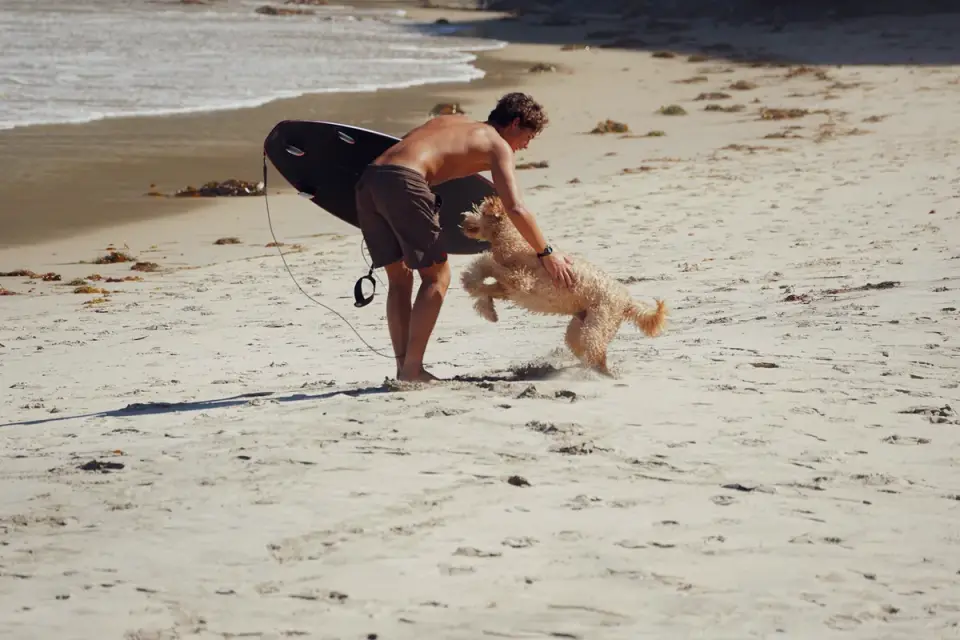
Landing from a frisbee catch loads shoulders, elbows, hips, and spine at once.
Mouth and neck pain matter too. A cracked tooth, sore gums, or neck stiffness can make catching and carrying unpleasant. So can vision loss, which makes tracking a fast ball harder, and cardiac or respiratory disease, which makes sprinting exhausting.
The American Kennel Club notes that weight, low-impact activity, and veterinary-guided treatment help support mobility in arthritic dogs, rather than pushing through high-impact exercise.
You can do a gentle home check tonight. Watch him rise from a nap. Walk him 10 minutes on leash. Toss a soft toy five feet on grass and see if he trots, walks, limps, or sits out.
Then call your veterinarian if you see limping, yelping, swelling, heavy panting at rest, or no interest for more than a few days.
What else steals the fun?
Not every quit is medical.
Some dogs never loved retrieving. Herding and terrier types often prefer chasing, tugging, or sniffing to bringing something back. A 3-year-old Jack Russell may sprint after squirrels all afternoon and still find repeated fetch dull.
Training history counts. If fetch always ended when you took the toy and went inside, some dogs learn that returning ends the game. If someone scolded him for jumping or barking during play, he may have linked excitement with correction.
Environment counts too. Slippery floors, heat, loud parks, or a ball that is too large, too hard, or sheds fuzz can turn him off. For sizing and material context, this breakdown of Best Fetch Toys for Dogs: How to Choose Balls, Bumpers, and Launchers can help you spot a poor fit.
Overplaying is real. Ten long throws with a launcher will tire most older dogs.
How do you rebuild play without pressure?
Once your vet has cleared him, shrink the game.
Trade distance for sniffing and choice. Roll a soft ball three feet on carpet. Play two-minute sessions. Let him hold and parade the toy without asking for a drop. End while he still wants more.
Try swaps that spare joints. Nose games, short tug with a soft rope, food puzzles from Enrichment Toys for Mental Stimulation: What Actually Helps a Bored Dog, and slow walks with sniff breaks keep the ritual without the pounding.
Nutrition supports the rest. I weigh what a supplement can realistically do for diet, mobility, and recovery this way: a balanced, complete diet and healthy weight do most of the work, and ingredients like fish-oil omega-3s, glucosamine, and chondroitin may help support joint comfort alongside veterinary care, not replace it. The National Institutes of Health Office of Dietary Supplements reviews how omega-3s function in the body, which helps explain why evidence stays modest and diet-dependent.
Keep expectations honest. No food or chew restores cartilage overnight.
What would you try first if fetch became a slow sniff walk with one happy carry at the end?
Frequently asked questions
How long should I wait before calling the vet about lost interest in fetch?
If low interest lasts more than a week, or you see limping, stiffness, panting, or appetite change, schedule an exam promptly.
Should I keep throwing to rebuild stamina?
No. Rest first and get veterinary guidance. Then restart with short, low-impact play and stop before fatigue.
Sources
- Arthritis in Dogs — VCA Hospitals
- Omega-3 Fatty Acids Fact Sheet for Consumers — National Institutes of Health Office of Dietary Supplements