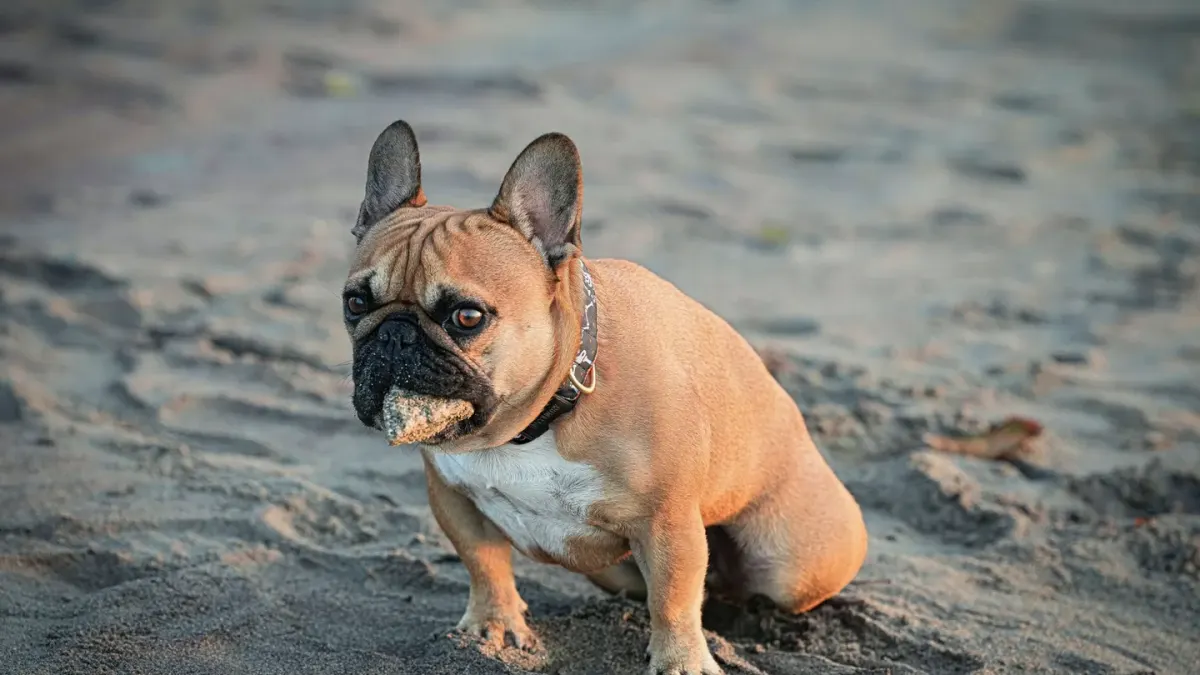
You are standing at the counter with a ripe peach in one hand and a hopeful Poodle underfoot, wondering if that fuzzy skin is allowed.
Here is the short answer you can act on tonight:
- Plain peach flesh in small pieces: okay as an occasional treat
- Peach skin itself: not toxic, but wash it well and watch for itchy mouth or soft stool
- Canned peaches, peach jam, peach yogurt: skip — too much sugar
- Peach pit, stem, and leaves: never allow — choking, blockage, and amygdalin risk
- Any vomiting, drooling, wobbliness, or missing pit: call your vet right away
That list is the whole decision. What follows is how to use it calmly.
The midnight fork: treat, tummy upset, or pit trouble?
Think in three buckets. Flesh is food. Fuzz is friction. Pit is hazard.
Ripe peach flesh is mostly water, with fiber and vitamins A and C. From a TCVM food-therapy view it is cooling and moistening, which is why a cool slice may help support normal hydration on a warm day. From a neurology view I stay anchored to mechanism: sugar and fiber change gut transit, they do not calm nerves directly.
Skin does not add a separate toxin. The concern is what sits on it — orchard spray residue, dirt, and the fine fuzz that can irritate a sensitive mouth or stomach. A thorough wash solves most of that.
The pit is different. Peach pits can lodge in the throat or intestine, especially in small dogs, and the kernel inside contains amygdalin, which can release cyanide when chewed and digested. The ASPCA lists peach as toxic to dogs principally because of the pit, stems, and leaves, not the ripe flesh. The Merck Veterinary Manual describes how cyanogenic compounds interfere with how cells use oxygen, which is why chewed pits deserve prompt veterinary advice.
Vets often see the same late-summer story. Debra in Denver set a peach half on the counter while her 6-year-old neutered male Poodle, Ashton, waited below. He caught a dropped slice, skin on, and crunched once before she lifted the pit away. She watched him for 2 hours, saw no drool or soft stool, and kept the rest of the fruit for herself. That is the right pattern: remove the hazard first, keep the portion tiny, then observe.

How to offer peach without inviting trouble
Wash, pit, slice. That order matters.
Wash the whole peach under running water and rub the fuzz off with your hands. Cut away from the pit, discard the pit, stem, and any leaves into a closed trash can, then cut flesh into pea-sized cubes for small dogs or blueberry-sized cubes for larger dogs.
Keep it small. One or two cubes for a Poodle-sized dog, a couple tablespoons at most for a large dog, and only occasionally. Treats should stay a small part of the day, so subtract a little kibble if you share.
Serve it plain. No sugar, no cream, no pie filling.
That restraint matters for another reason. Rich, sugary extras do not just add calories. They change how the gut moves.
When to skip the slice and settle instead
Skip peach if your dog is already dealing with soft stool, pancreatitis history, diabetes, or known food sensitivities. Skip it if the fruit is unripe, moldy, or from a can in syrup.
Call your vet promptly if your dog swallowed a pit, chewed a kernel, or shows repeated vomiting, belly pain, drooling, restlessness, red gums, trouble breathing, wobbliness, or unusual sleepiness. Bring the pit count if you can: how many peaches were out, how many pits remain.
This is where the alternative wins plainly. No fruit treat is required. If peach causes loose stool or mouth pawing, plain water, a quiet room, and your regular dinner — like the bland diet alternatives when you’re out of chicken — may help support a settled evening better than another new food.
For context on pitted fruits in general, the same pit-and-seed logic shapes advice on apples and the richer cautions around avocado. Peach flesh is gentler than many fruits, but the preparation rule does not change.
Peach skin is allowed when the fruit is fresh, washed, pitted, and tiny.
Reach for both the imaging study and the acupuncture needle here: respect the mechanism of obstruction and cyanide release, then choose the simple food-therapy step that keeps the gut calm. Prepare the peach — do not fear it, and do not free-feed it.
Sources
- Toxic and Non-Toxic Plants — ASPCA
- Overview of Cyanide Poisoning — Merck Veterinary Manual