On this page
It is late, the house is quiet, and both of your big dogs are circling the same cushion, stepping on paws and sighing. You wonder if a bigger shared bed would settle them, or if they each need their own space.
In my experience with aging and sore dogs, separate beds placed close together bring calmer rest for most pairs. Sharing looks sweet, but two large bodies need room to stretch, shift, and cool off without waking each other. Together, yet with edges of their own, is often the kindest setup.
Watch what they already choose at rest
Before you buy, watch for a few nights. Do they press together hip to hip, or does one move away after a few minutes to sprawl on the cool floor.
Dogs who truly prefer contact will seek it even when another soft spot is open. Dogs who only pile together for lack of options will separate when given room.
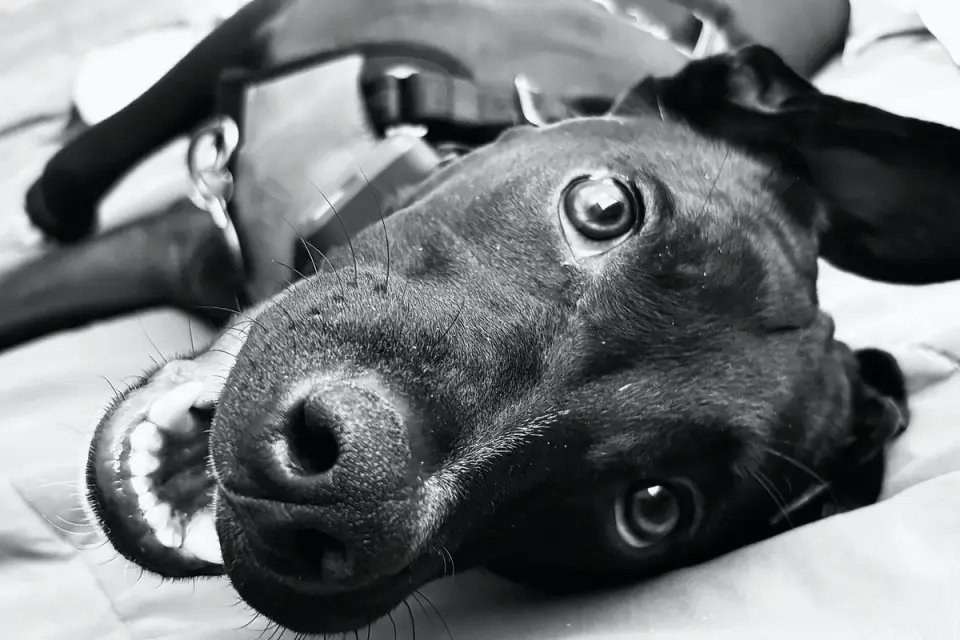
If your pair, like Pogo, the 8-year-old Labrador Retriever I followed with his owner Gabriel in Honolulu, consistently chooses separate corners yet settles faster when the beds touch, that tells you the answer. Closeness without crowding.
Why two beds often support better sleep
Two large dogs on one cushion means shared heat, shared motion, and fewer good positions. When one stands to drink or turn, the other rolls and wakes. For seniors with stiff joints, that broken sleep matters.
A separate surface lets each dog find a full side stretch, which large breeds often need for hips and shoulders. VCA Hospitals explains that dogs with arthritis rest better with thick, supportive bedding that cushions joints and stays easy to step onto. That support is difficult to provide when two heavy dogs create a slope toward the middle.
Separate also helps with different needs. One dog may run warm and want a flat mat, while the other leans on a bolster for chin rest. Giving each dog a bed that fits, as you might when traveling with a large dog versus a small dog, lets comfort stay individual.
When one shared bed can still work
Sharing may help support comfort when both dogs are bonded cuddlers, similar in size, and neither guards food, toys, or sleep space. Young, healthy pairs who curl together by choice, not because there is only one bed, are the best candidates.
Even then, size it for two full sprawls, not two curls. Measure each dog from nose to tail base in a side sleep, add a few inches for shifting, then add the two lengths together. Most single giant cushions still sleep small for two 70 to 90 pound dogs. If shoulders or hips hang off, sleep breaks up and they will return to your couch or floor.
Watch for signs sharing is not working, such as hovering at the edge, taking turns, stiff getting up, panting, licking lips, or one dog leaving. Those small signals deserve a gentle change, not waiting it out.
A simple side-by-side setup that settles most pairs
Place two rectangular or oval beds with the long sides touching, in a draft-free corner where both dogs can see you. Keep water nearby and keep the path to the door clear for older dogs who wake to go out.
Choose low-entry beds with washable covers and enough thickness that you cannot feel the floor when you press a knee in the middle. Keep them identical at first, then adjust if one dog clearly prefers more edge or a cooler spot. This mirrors what helps in tight living quarters, where routine and placement matter more than square footage, a point I return to in the real test for an apartment dog.
Wash both beds on the same day so neither smells more like home than the other. For pairs that pace at night, dim the lights, offer a last potty break, and sit with them for a few slow breaths. Presence often settles more than stuffing.
How to move from one bed to two without worry
Dogs can be sensitive to change in sleep spots, a little like the puppy who kept returning to a previous pad spot after the pad was moved. Keep the old bed down for a week while you add the two new beds beside it, with a worn shirt or familiar blanket on each.
Reward quiet settling on either bed with soft praise and a small chew. If one dog claims both, guide gently back to the open bed rather than scolding. Most pairs sort the routine within several nights when the beds stay in the same place and bedtime stays unhurried.
If guarding, limping, night waking, heavy panting, or accidents appear, pause and call your veterinarian. Rest changes can reflect pain or illness, and comfort plans work best with a clinician who knows your dog. What looks like herself on the surface can hide thirst, soreness, or worry underneath, and early attention protects quality of life.
Separate beds do not separate hearts. They give two large friends room to breathe, stretch, and still dream side by side.
Frequently asked questions
Can two large dogs share one XL dog bed?
They can for short naps if both choose contact and neither guards space, but most large pairs rest longer with separate beds placed together so each can stretch without rolling into the other.
What size bed does each large dog need?
Measure your dog lying on his side from nose to tail base and add 6 to 12 inches in length. Each large dog usually needs his own bed that fits that full stretch.
Should the two beds touch?
For bonded pairs, yes to start. Place long sides together so they can lean or share warmth if they wish, then pull a few inches apart if one sleeps hotter or shifts often.
Sources
- Arthritis in Dogs — VCA Hospitals