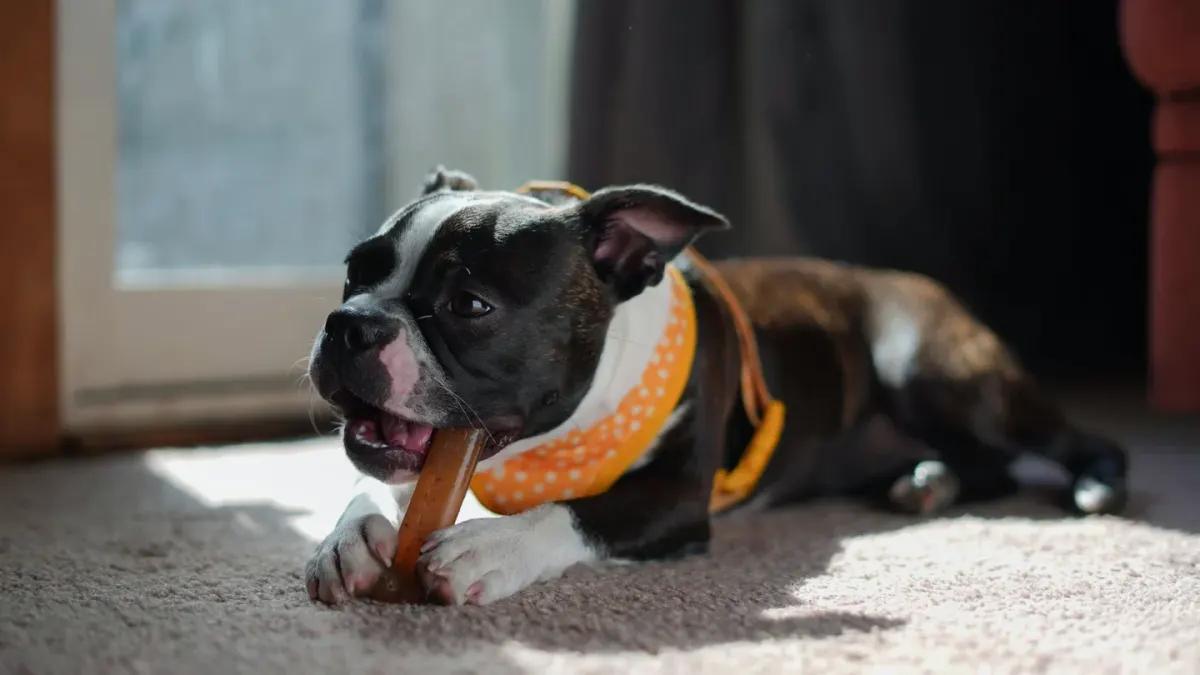
Cody could hear Brianna before he saw the bowl slide. His 4-year-old spayed female Standard Schnauzer from Washington, District of Columbia, finished her kibble in under a minute, then paced the kitchen, licked the mat, and looked for more. He was weighing the same fork many owners face at 11pm: keep the familiar bowl, or move dinner into a dog puzzle feeder and hope slower means calmer.
Should the bowl stay, or should the puzzle take over?
Keep the bowl for one job and let the puzzle do the other. The bowl is predictable. The puzzle adds sniffing, pawing, and small pauses that stretch a 40-second inhale into three to five minutes of work.
For Brianna, that meant splitting the meal. Half stayed in the bowl so she did not go to bed hungry and frustrated, and half went into a wide, shallow puzzle with large openings. Vets often see fast eaters do better with this split start than with an all-or-nothing switch, because the dog still gets the satisfaction of eating while learning the new pattern.
If your dog eats fast, the same slow-feeding ideas in How to Slow Down a Dog That Eats Too Fast apply here: lower the height of the challenge, widen the openings, and watch the body, not the clock.
What a forgiving puzzle changes at dinner
A puzzle feeder is most useful when it is easy enough to feel rewarding rather than frustrating. As a nutritionist, I weigh what food and supplements can realistically do for diet, mobility, and recovery, and a feeder sits in the same category. It does not change nutrient needs. It may help support calmer mealtime behavior by pacing intake and giving the nose and brain a job to do.
Look for forgiveness first. Large wells, sliding discs that move with a nose nudge, and snuffle folds that release kibble with a shake beat tight lids and multi-step locks for most dogs. Washable material, a heavy base that does not chase across the floor, and room for the muzzle matter more than cleverness.
Treats and kibble used in the puzzle still count as food. Keep the total amount within the daily ration, and keep fresh water available. For general background on how nutrients and supplement terms are described, the National Institutes of Health maintains educational resources, and for animal supplement quality programs, the National Animal Supplement Council describes industry standards. Neither replaces a balanced diet, and no feeder fixes worry on its own.
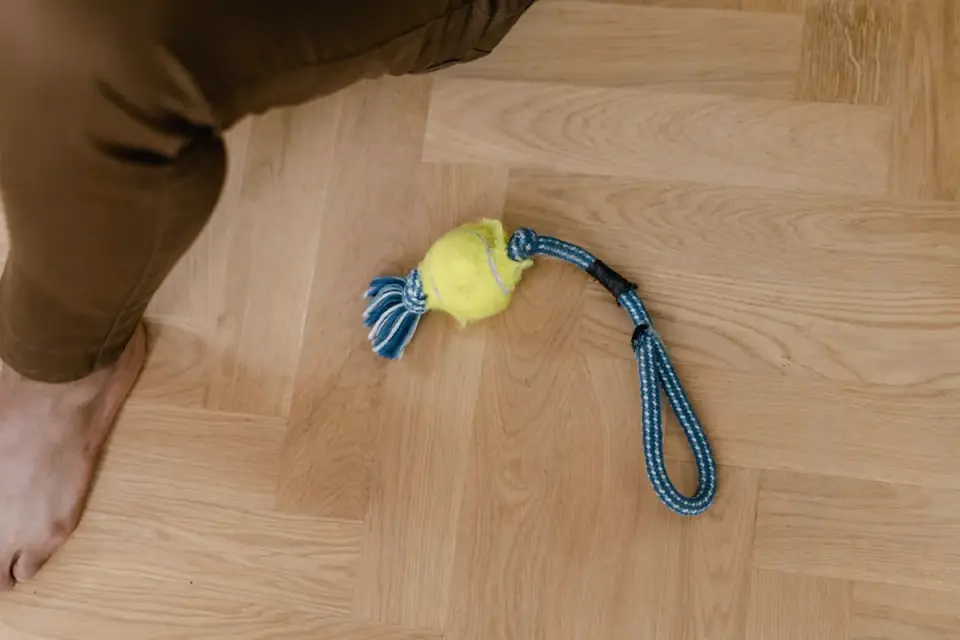
Reward beats challenge every time.
Creed shows the other side of the same decision. He is a 10-year-old intact male Boston Terrier from Carrollton, Texas, owned by Tina, who started leaving dinner unfinished when the puzzle asked for too much paw pressure. His teeth and neck were stiff in the evening, and the hard, deep wells made him quit after about two minutes. For older dogs, restlessness often looks like anxiety but responds to comfort, a point explored gently in When Do Labradors Calm Down and Mature?.
When to make it easier, not harder
Make it easier when you see pawing that turns to barking, circling away and back, tipping the whole feeder, or lying down and staring. Those are signs the puzzle stopped paying. Rinse it, remove one lid, scatter a few pieces on top, and let the dog win in under a minute. Then end the game.
Keep sessions short. Five to ten minutes is enough for most evenings. Pick up uneaten moist food promptly, wash crevices where fat collects, and check for chewed edges. Skip puzzles with small removable parts for strong chewers, and feed dogs separately if one guards food or toys.
If the goal is a settled night, pair the easy puzzle with the same quiet routine: dim lights, a short potty walk, and a soft bed in the same spot. Start forgiving, stay forgiving for a week, and only add one small step of difficulty when the dog finishes happily three nights in a row.
For Brianna and Creed, the recommendation lands in the same place. Choose the puzzle the dog can empty with steady effort, not the one that looks impressive on the shelf. Slow, calm mealtimes come from repeated small wins.
Frequently asked questions
How much of dinner should go in a dog puzzle feeder at first?
Start with about half in a very easy puzzle and half in the bowl, then adjust based on whether your dog finishes happily within five to ten minutes.
What if my senior dog gives up on the puzzle?
Make it easier right away with larger openings and food scattered on top, use a low, stable feeder, and keep the session short and calm.
Sources
- Dietary Supplement Information — National Institutes of Health
- Quality Program Overview — National Animal Supplement Council