On this page
Can you give this dog a job today, tomorrow, and every day after that? That’s the question I ask before we even get to coat color or ear shape.
Quick-decision checklist — read this first:
- You want a dog that’s satisfied with a solid hour of structured exercise plus training → German Shepherd leans easier
- You’re training for sport, protection work, or you run/bike daily and want a partner → Belgian Malinois fits that drive
- You have small kids, a quieter household, or this is your first working breed → German Shepherd, generally
- You’ve owned a high-drive dog before and know what “never off” feels like → Belgian Malinois can be right
- Hip and joint longevity is a top concern → both breeds need the same screening diligence, but pay attention below
- You want a dog who mentally shuts off in the evening → neither breed does this reliably; plan accordingly
Now let’s sit with the actual differences, because the checklist only gets you partway there.
I had a family in my exam room a few years back — two kids under ten, a fenced quarter-acre yard, both parents working from home. They’d fallen for a Belgian Malinois after watching a police K9 demo and wanted my blessing. I didn’t give it easily. We talked for twenty minutes about what a young, intact Malinois actually needs by way of daily engagement — not just a walk, but decompression, scent work, structured play, a job. They ended up with a German Shepherd puppy instead, and eighteen months later that dog was doing nose work classes on Saturdays and sleeping through the night. That’s not a knock on Malinois — it’s that the family’s actual daily bandwidth matched one breed better than the other, and naming that honestly up front saved everyone a hard year.
The drive difference is the real dividing line
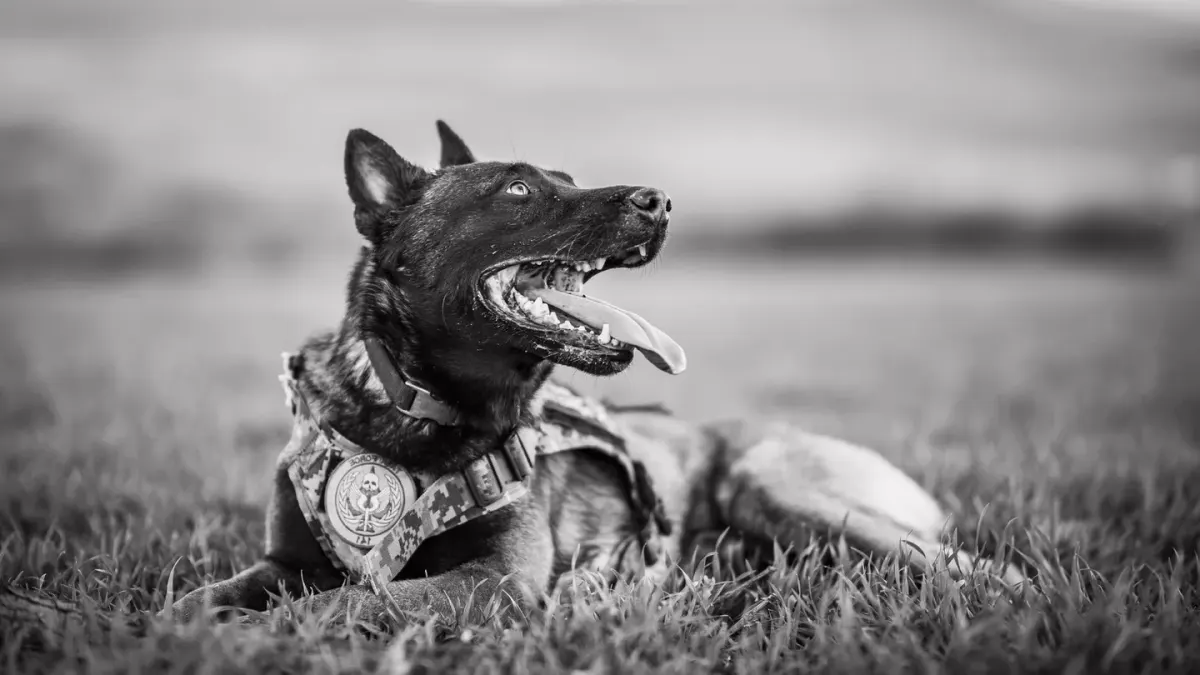
Both breeds come from the Herding Group and both were bred to work, but the intensity isn’t equal. Per the American Kennel Club, the Belgian Malinois is an intelligent, people-oriented, and highly work-driven breed that requires significant daily exercise well beyond a single walk or play session — this is a dog bred for sustained working drive, and that drive doesn’t dim just because you’re tired.
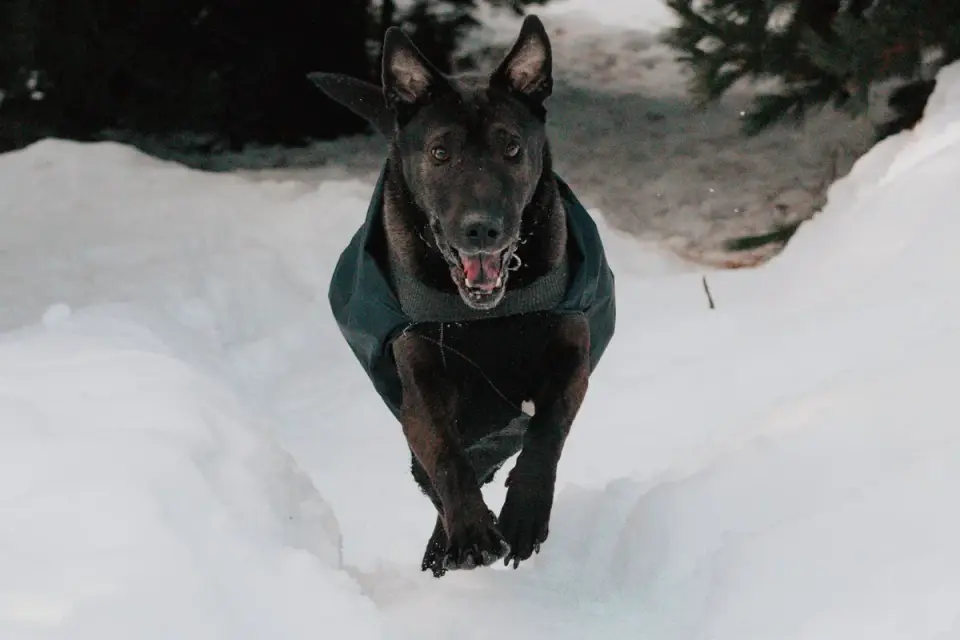
German Shepherds are plenty active too, but most pet-home GSDs settle into a rhythm of structured exercise and mental work without needing the near-constant engagement a Malinois often demands. If you’re picturing a dog who naps on the rug while you work, then goes for a solid run and a training session, that’s closer to the GSD experience for most families. If you’re picturing a dog who needs a job every single day or starts inventing destructive ones, that’s the Malinois conversation.
The health differences you should actually plan around
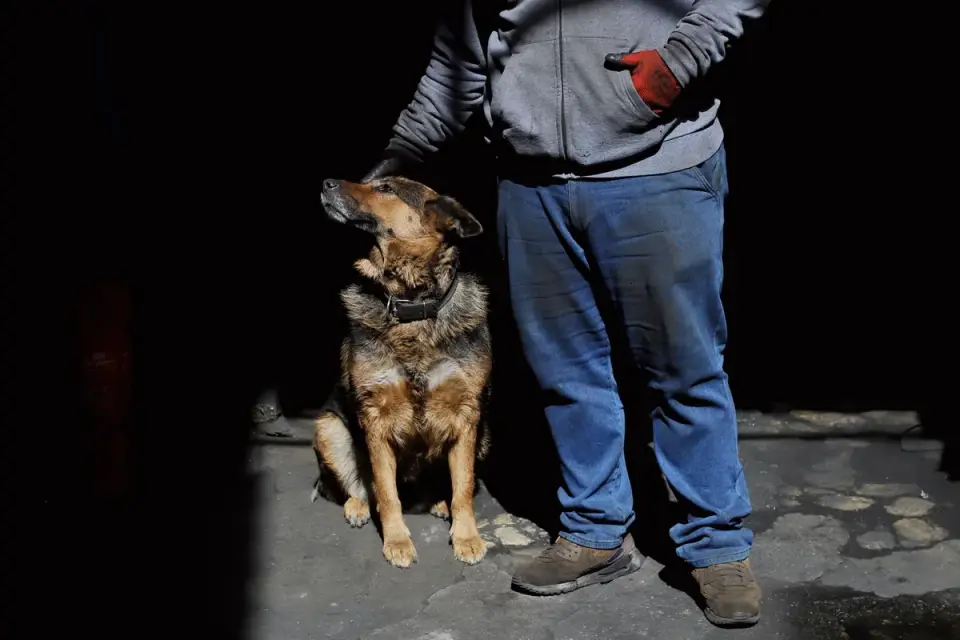
Hip dysplasia gets talked about with German Shepherds more than almost any other breed, and the data backs that reputation up. Orthopedic Foundation for Animals screening data show German Shepherds with hip dysplasia rates around 20% of dogs evaluated — meaning roughly one in five screened dogs shows some degree of the condition. That’s why I tell every GSD owner: ask to see the parents’ OFA hip scores before you commit to a puppy, and don’t skip early joint-friendly exercise habits — no forced running on pavement before growth plates close, no repetitive jumping in puppyhood.
Degenerative myelopathy is the other condition I bring up specifically with German Shepherd owners, because the breed carries it at meaningfully elevated rates. Research on the SOD1 gene mutation associated with the disease, published in a PMC: retrospective study in PLOS ONE, found the mutation present at high frequency in a referral population of UK German Shepherds — a genetic test is available and worth asking a breeder about. VCA Animal Hospitals notes that degenerative myelopathy causes slowly progressive hind-limb weakness typically starting in dogs 5 to 14 years old, which is worth knowing if you’re planning to keep a GSD well into their senior years.
Belgian Malinois are, on the whole, a leaner-built, less heavily screened-for-hip-issues breed in most working lines, though hip and elbow dysplasia still occur and screening still matters. I don’t have breed-specific incidence numbers I trust enough to quote here, so I’ll say plainly: ask any Malinois breeder for OFA or PennHIP results regardless, the same way you would for a GSD.
Where I actually land, and the counterargument I take seriously
For the average pet home — even an active one — I recommend the German Shepherd more often. The breed’s temperament range is wider, meaning there’s more room to find a calmer-natured GSD line that still gives you a loyal, trainable, protective family dog without needing professional-level daily engagement. That’s the honest, boring truth of it.
The counterargument I take seriously: if you are genuinely experienced with high-drive dogs, if you have the time and the training background to give a dog real work every day, a Belgian Malinois can be a phenomenal companion — sharper, faster to learn, and deeply bonded to the right handler. I’ve seen it done well. I’ve also seen a Malinois end up in rescue at fourteen months because the household underestimated what “high-drive” meant in practice, and that’s the outcome I’m trying to help you avoid by being direct here.
One more scene that’s stuck with me: a client came in with her second Malinois, a two-year-old female, because the first one — surrendered by a previous owner at ten months for “too much energy” — had taught her what the breed actually required. By the time I met her, she was doing scent detection training three mornings a week and the dog was calm and settled in the exam room, tail low, completely relaxed. The dog wasn’t different. The owner’s daily structure was. That’s the piece a lot of first-time high-drive-breed owners don’t see coming until they live it.
If you’re still narrowing down working or herding breeds, our guide to Border Collie vs Australian Shepherd covers a similar high-drive comparison, and if space is a constraint either way, The Real Test for an Apartment Dog Isn’t Size is worth reading before you commit to either breed.
The short version
Both breeds are smart, loyal, and capable of being wonderful family dogs — but they are not interchangeable, and picking based on looks alone is how good dogs end up in rescue. Match the breed to your actual daily bandwidth, not the dog you wish you had time for.
Frequently asked questions
Is a Belgian Malinois harder to own than a German Shepherd?
For most pet homes, yes — the Malinois generally needs more daily physical and mental work to stay settled and out of trouble. Experienced owners with time for structured daily engagement can do very well with the breed.
Do German Shepherds and Belgian Malinois have the same health risks?
Not exactly. German Shepherds are well documented for hip dysplasia and degenerative myelopathy risk. Malinois screening data is less consistently reported, but hip and elbow screening still matters for the breed.
Can a Belgian Malinois be a good family pet?
Yes, in the right household — typically one with prior high-drive dog experience, a real daily exercise and training plan, and time to meet the breed's working needs consistently.
Sources
- Belgian Malinois Dog Breed Information — American Kennel Club
- A retrospective study of the prevalence of the canine degenerative myelopathy associated superoxide dismutase 1 mutation (SOD1:c.118G > A) in a referral population of German Shepherd dogs from the UK — PMC
- Degenerative Myelopathy in Dogs — VCA Animal Hospitals