On this page
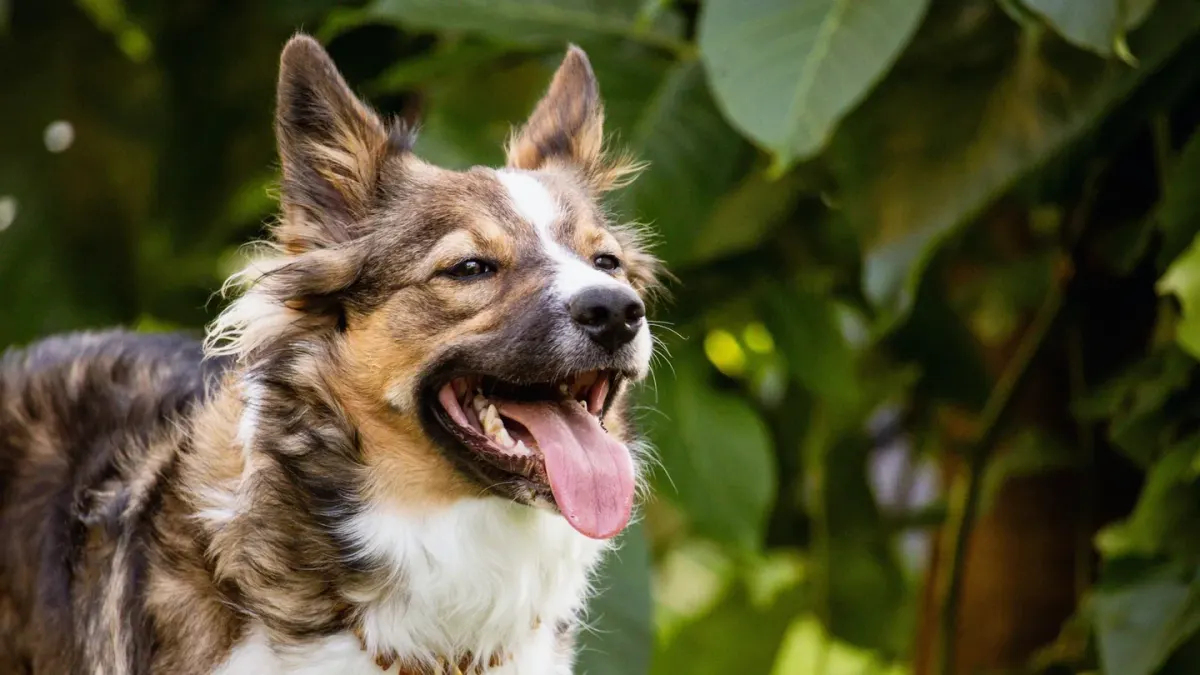
Cute fluffy dogs look soft and easy on a screen, yet living with that coat means daily comfort work you can feel with your hands.
Start with the fork most families face: do you want high-maintenance fluff that needs brushing almost every day, or lower-maintenance fluff with a wash-and-go double coat that still sheds seasonally? Your answer shapes everything else.
Seth in Spokane learned this with Kilo, his 7-year-old intact male Brittany. Kilo’s feathering looked fine from across the room, but the hair behind his ears started to twist into tight bands. Seth weighed daily 10-minute comb-outs against having those spots trimmed short before summer hikes. Vets often see the same moment, when an owner realizes a mat has gone from cosmetic to uncomfortable.
Which cute fluffy dogs fit which kind of upkeep?
Think in two groups rather than seven separate personalities. Long, silky or curly coats tangle from friction. Dense double coats trap heat and loose undercoat.
The first group includes the Pomeranian, Shih Tzu, Maltese, and Bichon Frise. The second includes the Samoyed, Chow Chow, and Keeshond. All seven read as cute fluffy dogs, but your brush moves differently for each.
If the coat parts, curls, or feathers
Brush to the skin in layers, not just over the top. ASPCA advises regular brushing and coat checks as part of routine dog grooming, and that baseline matters more for fluffy breeds because tangles tighten near warm, damp spots like armpits, collars, and behind ears.
Use a slicker or pin brush to lift, then a steel comb to test your work. If the comb snags, you still have a tangle. Keep sessions short and paired with treats, and check the skin for redness as you part the hair.
If the coat stands out like a puffball
You are managing insulation. Double coats shed and re-grow on a cycle, with heavier blowing of undercoat in spring and fall. A rake or undercoat tool, plus line-brushing small sections at a time, may help support airflow to the skin without shaving the guard coat.
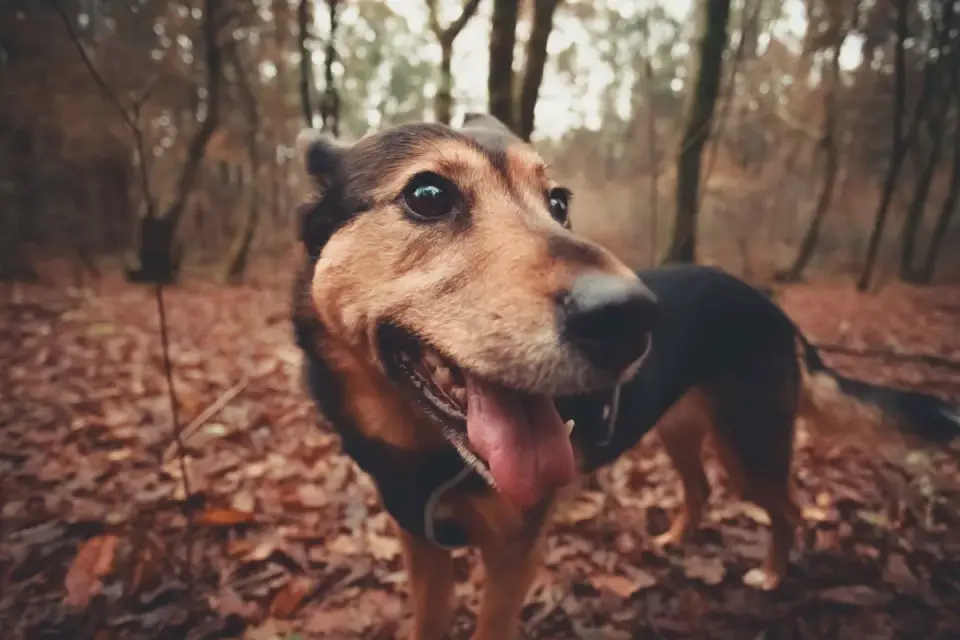
Many owners ask about shaving for summer. For most double-coated fluffy breeds, a close shave can disrupt insulation and sun protection, so cooling through shade, water, rest breaks, and trimmed paw and sanitary hair is usually the safer plan.
Cooling counts as coat care
Fluff holds heat. Watch for heavy panting, drooling, bright red gums, wobbling, or a dog that will not settle after play.
American Veterinary Medical Association notes that heat stroke in dogs is an emergency tied to a rapid rise in body temperature, so move a hot, distressed fluffy dog to shade, offer small sips of cool water, and call your veterinarian right away rather than waiting to see.
Plan walks for cool hours. Carry water. Skip the midday fetch game when the air feels thick.
Small choices prevent most misery.
Mats hurt more than they look
A mat pulls with every step. It also traps moisture against the skin and can hide irritation or infection underneath.
Check these spots twice a week:
- Behind ears and under the collar
- Armpits and where a harness rubs
- Back legs, belly feathering, and around the tail base
- Between toes after wet walks
If you can slide a comb to the skin, you can usually work the tangle out gently with detangling spray and patience. If the patch feels flat and tight to the skin, do not dig with scissors. Ask a groomer or your veterinary team to clip it safely.
This is where expectation matters. A fluffy coat that stays comfortable may help support calm rest at night, but no brush can promise no shedding or no allergies. Dogs that shed less still make dander and saliva proteins, which you can read more about in Best Hypoallergenic Dog Breeds for Allergy Sufferers and Do Goldendoodles Really Not Shed? What the Coat Genes Actually Determine.
What weekly care actually looks like
Pick a rhythm you can keep. For most cute fluffy dogs, that means brushing three to five times per week, a full comb check once a week, and a bath every four to six weeks with thorough drying to the skin.
Derek in Vancouver noticed this with Tashi, his 3-year-old neutered male English Springer Spaniel. Tashi shook off water after creek walks and looked dry in 20 minutes, but the dense hair along his chest stayed damp for hours. Derek started towel-drying, then using a low, cool dryer setting for about 15 minutes while combing through sections. The musty smell faded, and Tashi stopped scratching that spot overnight.
Bathing without full drying can leave hot, damp undercoat that itches. Rinse well, dry in layers, and finish when the comb moves freely.
Living space matters too. Fluffy, active breeds need room to settle and a predictable wind-down spot, a point covered well in The Real Test for an Apartment Dog Isn’t Size. If you share your home with a cat, coat-chasing play needs boundaries, as outlined in Best Dog Breeds for Homes That Already Have Cats.
The calm bottom line
Choose the fluff you can brush. Keep air moving to the skin. Cool early and often.
If you want daily cuddle-and-comb time, a Bichon, Maltese, Shih Tzu, or Pomeranian may suit you. If you prefer weekly raking plus seasonal shedding storms, look toward the Samoyed, Keeshond, or Chow. Either way, set a baseline in the first two weeks: brush time, mat check, weight, and how your dog rests after exercise. Call your veterinarian promptly for skin sores, sudden behavior change, or heat-related signs.
Frequently asked questions
Do cute fluffy dogs shed less than short-haired dogs?
Not necessarily. Some shed seasonally in large amounts, while others shed less but mat quickly and need frequent brushing and trimming.
How often should I brush a fluffy dog?
Plan on three to five short sessions per week, with a full comb-to-the-skin check weekly and extra attention behind ears, armpits, and where collars or harnesses rub.
Should I shave my fluffy dog for summer?
Usually no for double-coated breeds. Keep the coat clean and free of undercoat, use shade and cool-hour walks, and ask your vet or groomer about safe sanitary or paw trims instead.
Sources
- Dog Grooming Tips — ASPCA
- Warm Weather Pet Safety — American Veterinary Medical Association