On this page
A woman called my office a few years back, half-laughing and half-crying, because her twelve-year-old had just fallen in love with a Bernedoodle puppy at a rescue event and she has diagnosed dog allergies herself. She wanted to know, right there on the phone, whether “hypoallergenic” was a real thing or something breeders made up to sell puppies. It’s a fair question, and the honest answer is more nuanced than a yes or no.
No dog breed produces zero allergen. The American Kennel Club is direct about this: the trait people are chasing when they search for a hypoallergenic breed isn’t a lower-allergen dog, it’s a lower-shedding one. Understanding that distinction changes how you should actually shop.
What’s really triggering the sneezing
The main allergen behind most dog-related reactions is a protein called Can f 1, present in saliva, dander, and urine — not primarily in hair itself. Every dog, regardless of coat type, produces it. What varies between breeds is how much loose hair and skin the dog sheds into your carpet, couch, and air, because that shed material is the delivery vehicle carrying Can f 1 around your home.
A widely cited study out of the Journal of Allergy and Clinical Immunology tested homes with dogs marketed as hypoallergenic against homes with other breeds and found no meaningful difference in airborne Can f 1 levels between the two groups. More surprising still, some of the low-shedding breeds tested — including Poodles, Labradoodles, and Airedale Terriers — actually carried more allergen in their coat and hair samples than a plain Labrador Retriever did. The takeaway isn’t that hypoallergenic breeds are a scam. It’s that the mechanism people assume — less fur, less allergen — doesn’t map cleanly onto the biology.
Why “low-shedding” still helps most people
Here’s the part that keeps this category useful despite the myth-busting: even if a curly-coated dog carries plenty of allergen in its coat, a continuously-growing single coat (the kind Poodles, Bichon Frises, and Portuguese Water Dogs all have) traps that dander and dead hair inside the curl instead of scattering it across your floors, furniture, and air currents the way a shedding double coat does. Less material gets airborne. Less settles into your carpet fibers and upholstery, where it can sit for months. For most allergy sufferers, that reduction in ambient exposure is what makes the difference between a manageable household and constant antihistamines.
In my practice I’ve watched this play out with a family who adopted a two-year-old Portuguese Water Dog named Gus after their dad’s allergist recommended a low-shedding breed specifically. Within the first six weeks, the dad told me his nightly congestion had dropped from needing an antihistamine every evening to maybe twice a week, and he credited weekly brush-outs and a strict “no dog on the bed” rule as much as the breed itself. That’s the honest picture: breed choice moves the odds, but it doesn’t replace management.
Breeds worth considering
Based on coat structure and the practical experience of allergists and groomers, these are the breeds most consistently recommended for allergy-prone households:
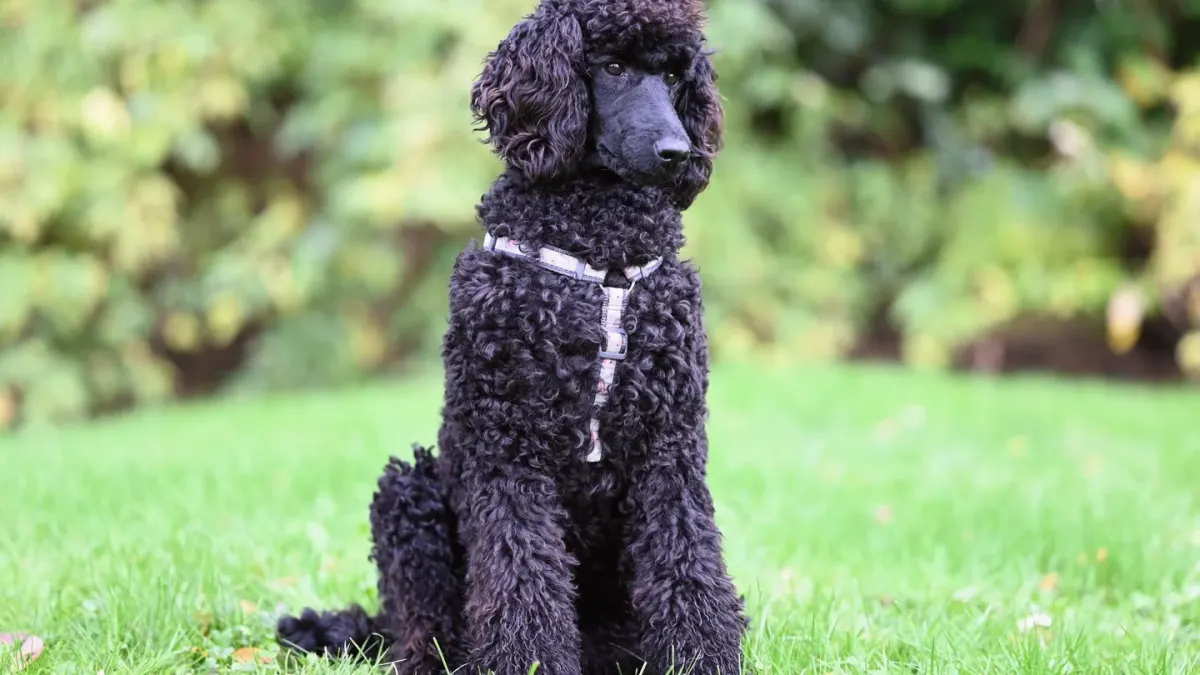
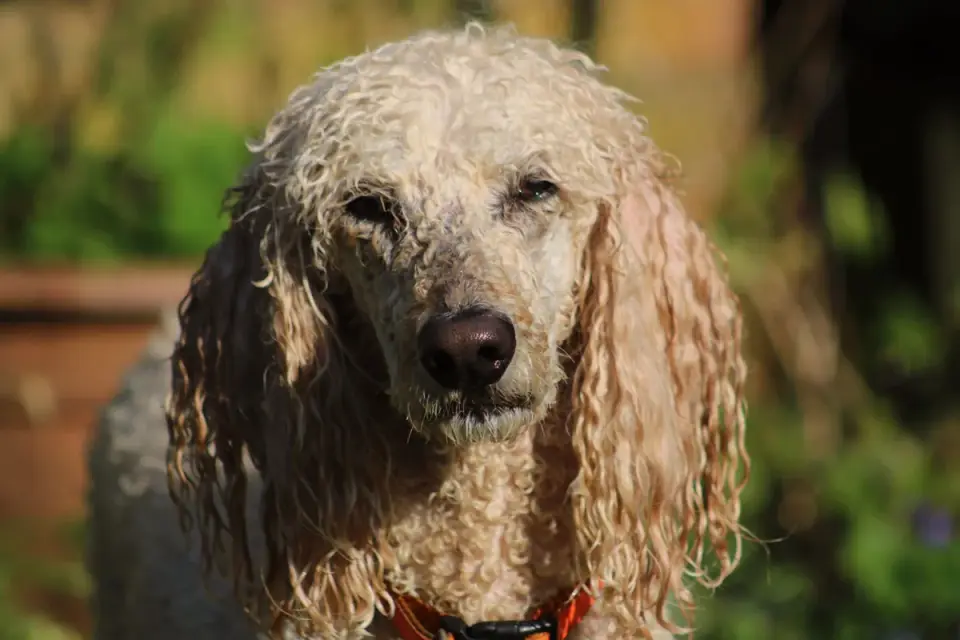
- Poodle (Standard, Miniature, or Toy) — dense, curly, single coat that grows continuously and must be clipped regularly.
- Bichon Frise — soft curly double coat where loose hair gets caught in the outer curls rather than falling free.
- Portuguese Water Dog — thick, curly, low-shedding coat; historically bred to work alongside fishermen in wet conditions.
- Soft Coated Wheaten Terrier — single coat, minimal shedding, but needs frequent brushing to prevent matting.
- Maltese — long, silky single coat; the Asthma and Allergy Foundation of America is often cited recommending weekly bathing for breeds like this one to keep dander levels down.
- Chinese Crested — largely hairless, which limits the amount of loose hair available to carry dander.
None of these are a guarantee. If you or your child has a confirmed dog allergy, the only way to know how you’ll actually react is to spend real time with the individual dog — ideally more than one visit — before bringing it home.
Managing allergies once the dog is home
Breed selection is only step one. Regardless of what you bring home, a few habits matter more than most owners expect:
- Bathe and brush on a schedule, not just when the dog looks dirty — this physically removes loose dander before it settles into fabric.
- Keep the dog off beds and upholstered furniture in bedrooms, since fabric holds allergen far longer than hard flooring.
- Run a HEPA air filter in the rooms where the allergic person spends the most time.
- Wash bedding and dog beds weekly in hot water.
If you’re also managing a dog with skin or coat sensitivities on top of an allergic household member — flaky skin, excess shedding beyond what’s typical for the breed, a dull coat — it’s worth a conversation with your veterinarian about diet, since coat quality and shed volume are tied to nutrition as much as genetics. Related reading on our site that owners in this situation often find useful includes our guide on what to expect in a Labrador puppy’s first year if you’re weighing a shedding breed against a low-shedding one, and our piece on exercise for toy and small breeds, since several low-shedding breeds on this list are small.
Where I land with clients
When a family asks me point-blank which breed to pick, I tell them the honest thing: pick for temperament and lifestyle fit first, then lean toward a low-shedding breed if allergies are a real concern in the house, and treat grooming and cleaning habits as non-negotiable rather than optional extras. I’ve seen families with a “hypoallergenic” breed who skipped the weekly brushing and still struggled, and I’ve seen families with a shedding retriever manage just fine because they were disciplined about bathing, vacuuming, and keeping the dog out of bedrooms. The breed tilts the odds. The routine decides the outcome.
That’s ultimately what I told the mother on the phone with her Bernedoodle-smitten kid: meet the individual puppy first, ask the breeder or rescue about the parents’ coat and shedding pattern, and build the household habits regardless of which dog they chose. She ended up bringing the puppy home, and last I heard, the antihistamines were down to occasional use rather than daily.
Frequently asked questions
Is any dog breed truly hypoallergenic?
No. Every dog produces the Can f 1 protein that triggers most dog allergies, regardless of coat type or shedding level. "Hypoallergenic" breeds simply tend to spread less dander around the home because they shed less loose hair.
Can a hypoallergenic breed still trigger an allergic reaction?
Yes, and sometimes more than expected — some low-shedding breeds have tested with higher allergen levels in their coat samples than typical shedding breeds. Spend real time with an individual dog before adopting if allergies are a concern.
Sources
- Does a Completely Hypoallergenic Dog Exist? — American Kennel Club
- The myth of hypoallergenic dogs (and cats) — Journal of Allergy and Clinical Immunology