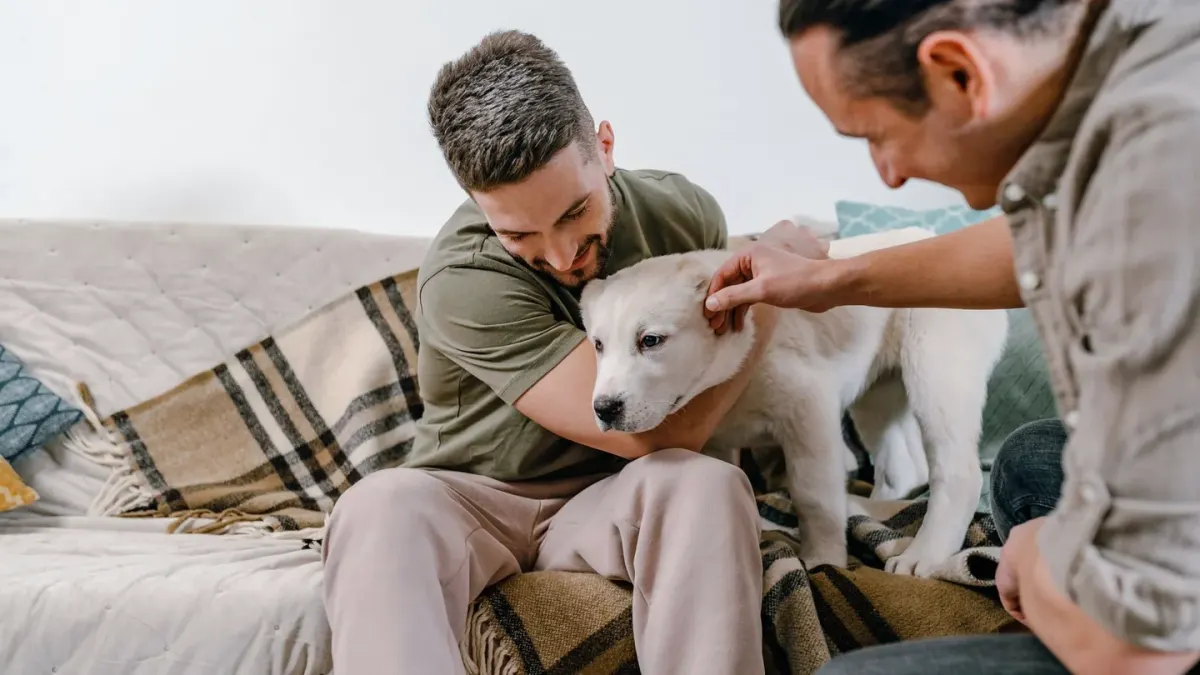
If your big dog circles a so-called extra-large cushion, then ends up half on the cold floor by midnight, the bed is probably sized for a curl, not a sprawl.
That is the decision fork I want you to hold in mind. A bed that fits nose-to-tail curled may look roomy in the store, and still leave hips, elbows, and shoulders without support when your dog stretches out in deep sleep. For comfort, especially in senior or arthritic dogs, full extension is the measure that matters.
Stretching out is not misbehavior. When dogs enter deeper rest, extensor muscles relax and limbs extend to dissipate heat and unload joints. Pressure concentrates quickly over bony points like elbows and hips, which is one reason Degenerative Joint Disease in Dogs describes osteoarthritis in small animals as a disease of both cartilage and the supporting tissues that must cushion load. A surface that is too short forces those points back onto hardwood or lets them drape over a bolster.
Measure the sprawl, then add breathing room
Forget the weight label for a moment. Weight tells you about foam density, not whether the spine can lie straight.
Wait for a nap. With a soft tape, measure from nose tip to the end of extended hind toes while your dog is fully stretched on the side, then add 8 to 12 inches in both length and width. That extra margin lets most giant breeds shift from side-sprawl to belly-frog without repositioning off the cushion. For many Great Danes, Mastiffs, and large Shepherd mixes, that lands around 48 to 60 inches on the long side, rather than the 36 to 42 inches sold as large.
Vets often see families worry that a bed looks too big for the room. In practice, a dog who can choose one full stretch and stay there tends to wake less often and settle faster.
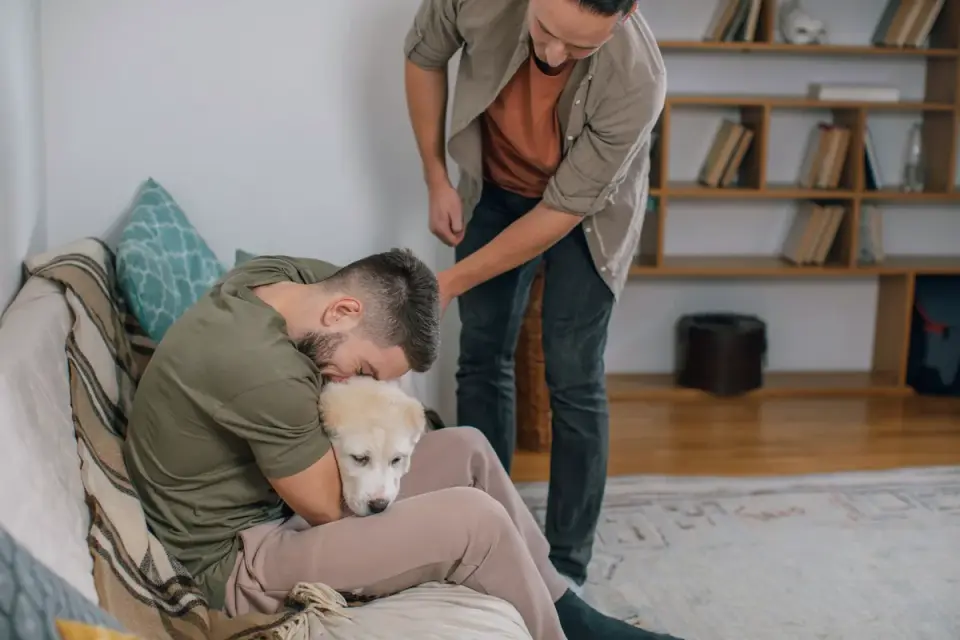
Why short beds send big dogs to the floor
Neil noticed this with Frisky, his 8-year-old spayed female Labrador Retriever mix in Lewisville, Texas. She would start the evening curled on her old bed, then pace twice around 11 p.m. and lower herself onto the tile with a sigh, stiff when rising after about three hours. The choice he was weighing was familiar: buy the next size up in the same thin style, or stay the same footprint and change the support.
The floor feels cool and firm, and for a warm, heavy dog that can feel relieving in the moment. It does not cushion. Thin polyfill compresses under 80 to 120 pounds until joints are essentially on the ground, and raised bolsters that are too high can act like a wall that pushes a long spine into a curve.
Comfort lasts longer when the whole leg can rest level.
What thickness and shape may help support
For giant breeds who sprawl, I defend a flat, rectangular mattress over a deep nest shape for everyday sleep. Look for 4 to 7 inches of dense support foam with a comfort topper, a washable cover that does not slide, and a base that stays put on hard floors. Low, flat sides or no bolsters let legs extend past the head line without pressure behind the shoulder.
This is quality-of-life framing, not a fix. A thicker bed may help support easier rising and more settled rest, and realistic expectations matter here. Arthritis in Dogs notes that arthritic dogs often show stiffness after rest and need both veterinary care and a padded, warm resting place as part of comfort management. Bedding is one piece of that plan alongside weight, movement, and pain care.
Place the bed where your dog already tries to sprawl, away from drafts and late-night foot traffic. If you live with cats or small dogs who share space, the guide to Best Dog Breeds for Homes That Already Have Cats is a useful reminder to give each animal a separate landing spot, and families thinking ahead may want to read Giant-Breed Ownership: What to Know Before You Commit for space and joint-care planning.
If I could change one thing with current evidence, it would be to have controlled sleep studies in giant breeds linking exact mattress dimensions to morning stiffness scores. That evidence does not yet exist, so I stay with body mechanics and owner-observed rest: measure stretched, allow room to turn, and keep support level.
When would I choose differently. A dog who truly nests for security and sleeps curled even in warm rooms may rest well in a round bed sized to that curl, and a dog with nighttime anxiety may settle better closer to you than in a larger bed across the house. Match the shape to the sleep you actually see.
What would change my mind is consistent data showing giant breeds rest longer or rise more easily on smaller, bolstered surfaces. Until then, size for the sprawl.
Frequently asked questions
How big should a giant dog bed be?
Measure nose to extended toes during a side sprawl and add 8 to 12 inches in length and width. Most sprawling giant breeds rest best near 48 to 60 inches long.
Why does my large dog leave the bed for the floor?
Short length, compressed fill, or high bolsters can leave hips and elbows unsupported. A flat, dense mattress sized for full extension often helps support more settled rest.
Is a bolster or flat mattress better for sprawlers?
A flat rectangular mattress with low or no sides usually fits sprawlers best, because legs can extend without curling around a wall.
Sources
- Degenerative Joint Disease in Dogs — VCA Hospitals
- Arthritis in Dogs — VCA Hospitals