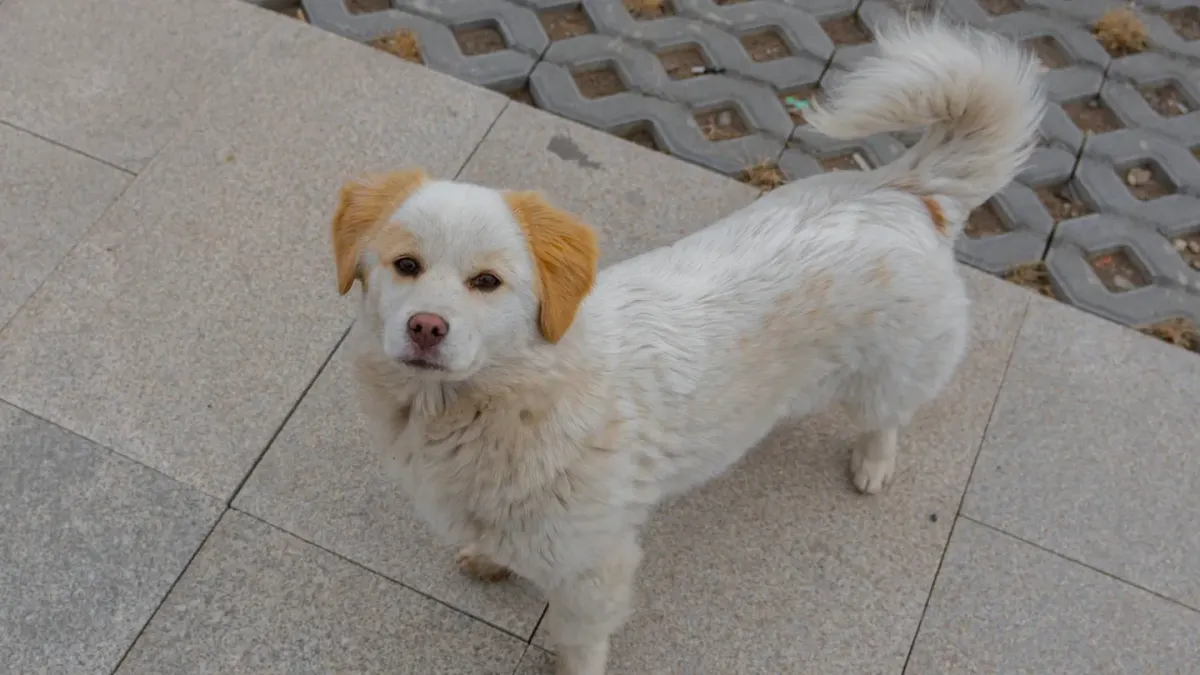
If your dog now empties a stuffed toy in five minutes flat, you haven’t failed at enrichment — you’ve raised a learner who’s ready for the next small step.
About 15 to 20 minutes of calm licking and nosing is my sweet spot for most pet dogs. Shorter than that and you’re refilling all evening. Much longer without a win and many dogs quit, chew the toy itself, or pace for you to rescue them.
So here’s the midnight-kitchen decision: if your dog still licks happily and settles after, keep the recipe where it is. If they finish fast, get bouncy again right away, or stare at you like, now what, it’s time to add one layer of difficulty — just one.
Milo’s mom would recognize that stare. He’s a 3-year-old, 48-pound mixed breed who learned to empty a peanut-butter Kong on the rug while she made dinner. By week two he was done before the pasta water boiled, then nose-poking her leg for more. She worried she’d created a snack monster, and she was weighing whether to freeze everything solid or quit food toys and add a second walk instead. We kept the walk the same and changed only the toy: same daily kibble portion, packed a little tighter, smeared thin, frozen for three hours. By day 10 he worked quietly for 18 minutes, then flopped with a sigh. Same dinner, slower brain.
Stay easy or step up? Let the dog’s body answer
You’re weighing what that extra food can realistically do for diet, mobility, and recovery, not just boredom. That’s the nutritionist in me talking. A food toy is food first. Every spoonful counts toward the day’s calories, and for joints and recovery, steady weight matters more than any single ingredient you could stuff inside.
That’s my evidence-bounded recommendation: count the toy as part of meals, then make the container harder before you make the food richer. Keep the diet balanced and let the puzzle do the work.
The strongest counterargument is fair — why not just add higher-value, smellier foods or supplement-dense toppers to hold attention longer? Because richer fillings often backfire on stomachs and weight, and the supplement science is narrower than marketing suggests. “Quercetin is a flavonoid with antioxidant properties studied for immune and cellular support.” That language — studied for, may help support — is honest. And in one worm model, “QF and unformulated Q, as well as NAC and ascorbic acid, at the concentrations used, did not affect the feeding behavior of the worms” as reported in MDPI Pharmaceuticals. In other words, don’t expect a powder to change motivation or replace training. Texture and access change behavior. Powders usually don’t.
Watch the dog, not the clock. Ready to level up looks like ears soft, tail loose, persistent licking, pausing and re-engaging. Too hard looks like whining, biting the toy edges, pawing at you, walking away and pacing back, or guarding. If you see frustration for more than a minute or two, you’ve jumped two steps. Drop back one.
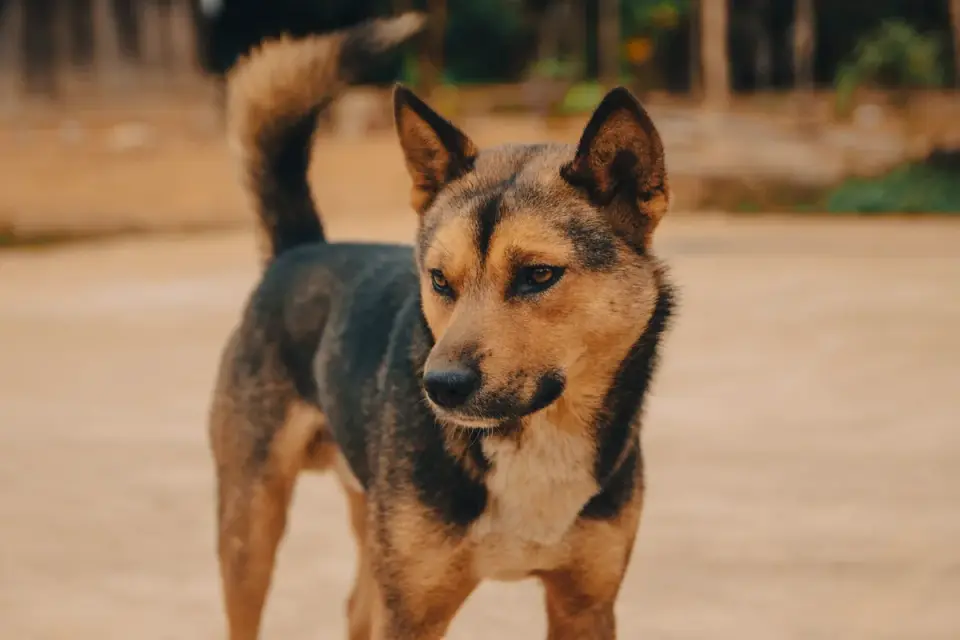
Make it trickier one layer at a time
Think in layers, not leaps. Change only one thing every two or three days.
Start with looseness, then shape, then temperature, then novelty. Loose kibble rolling out of an open toy is level one. Same kibble with a thin smear of wet food around the opening is level two. That same toy, packed and frozen for two to four hours, is level three. A frozen toy placed inside a muffin tin with a towel draped over it is level four.
Harder isn’t better. Better matched is better.
For lick mats, go from applesauce-thin to mashed banana, then to a thin layer frozen. For snuffle mats and rolled towels, go from treats sitting on top, to treats tucked in folds, to a box with crumpled paper on top. For classic hollow toys, plug the small hole with a dab of canned pumpkin, fill two-thirds with soaked kibble, cap with a smear, then freeze. If you’re making toys from household bits, these easy DIY ideas you can make at home are a good place to practice the easy versions first.
Keep portions honest. Use part of breakfast or dinner for the toy, not extra on top. If you need lower-calorie fillers, try soaked kibble, green beans, plain pumpkin, or a spoon of plain low-fat yogurt — and keep any new food to a teaspoon test first. If stools go soft, step back to plainer fills; our guide to firming up a puppy’s loose stool naturally walks through that food-first reset.
Then there was June, a 6-year-old, 22-pound beagle mix who loved her snuffle mat a little too much. Her owner tried to make it harder by pouring in half a cup of tiny training treats plus cheese cubes, then freezing the whole mat. By day 4 June was guarding the corner, panting, and skipping dinner — then waking at 2 a.m. to vomit bile. We’d added richness and frustration at once, the exact tradeoff I warn about. We tossed that plan. Back to her own kibble, only one-quarter cup total in the toy, treats visible on top, no freezing for three weeks. Her working time dropped from 25 frantic minutes to 9 easy minutes at first, but the guarding faded and breakfast stayed down.
When to keep it easy for seniors, gulpers, and anxious dogs
Some dogs shouldn’t climb the ladder quickly. That’s not failure. That’s fit.
Seniors with worn teeth, small breeds who get cold fast, flat-faced dogs, and dogs who gulp need wider openings, softer fills, and shorter freezes. A 12-year-old, 14-pound terrier mix I followed is a good edge case: his mom wanted longer work time for stormy evenings, but he’d paw and quit when the Kong was frozen solid, then pace and lick his lips. Teeth mattered, and so did anxiety. We went sideways instead of harder — same soft filling, but split across three stations by day 14: a lick mat, a towel roll, and a toppled muffin tin. Total work time reached 22 minutes without any freezing, and he could quit one station and still win at the next. For little legs like his, pairing that with gentle exercise ideas for toy and small breeds settled him better than one marathon puzzle ever did.
Safety still rules. Match toy size to muzzle so tongues and jaws can’t wedge. Pull toys with cracked rubber, loose fibers, or missing chunks. Supervise brachycephalic dogs, power chewers, and any dog who tries to eat towels or plastic. And skip anything that turns enrichment into lab science at home — one resveratrol model found “Embryonic exposure to ER50 accelerated pupation and adult emergence but shortened adult lifespan.” as reported in Phytomedicine. It’s a reminder that antioxidant biology is complex and dose-dependent, not a reason to dose your dog’s Kong with capsules.
So what would I do tonight? Feed part of dinner from the toy, pick one harder layer, and watch for that soft settle after. If you get 15 minutes of quiet work and a nap, stay there a while. You’re not chasing the hardest toy. You’re building the calmest evening.
Frequently asked questions
How do I know my dog is ready for a harder food toy?
They finish quickly but happily, stay engaged, and settle after. If they whine, bite the toy, pace, or quit, stay at the current level a few more days.
What's the easiest way to make a Kong harder without adding calories?
Use the same kibble portion, pack it tighter, add a thin smear at the opening, then freeze 2 to 4 hours. Change only one variable at a time.
My dog gives up when it's frozen — what now?
Thaw halfway, widen the opening with looser packing, or split the portion across two easier puzzles. Some seniors and small dogs do better with variety than with freezing.
Sources
- Quercetin formulations and feeding behavior in model organisms — MDPI Pharmaceuticals
- Resveratrol exposure, development and lifespan in model organisms — Phytomedicine