On this page
The worry usually arrives before the dog does, in the car ride home when the discharge papers feel thin and the breathing from the back seat sounds too shallow. I stay with that moment because it tells me what matters most, which is comfort first and schedule second. She was a nine-year-old, 48-pound Labrador mix, spayed years ago and now home by day two after a cruciate repair, lying on a borrowed yoga mat because her usual bed felt too high to climb. Her family had to choose between keeping her in the busy living room where she felt less alone, or settling her in the spare bedroom where it was quiet but lonely. They chose the quiet room with a mattress on the floor beside her, and that choice shaped everything that followed.
Why the first 72 hours set the pattern
Anesthesia, tissue trauma, and pain change more than mobility. Opioids and sedatives slow gut motility, blunt appetite, and fragment sleep, while inflammation raises resting energy needs even as activity drops. That mismatch is why dogs come home groggy, then restless, then sore again in the evening when medication wears thin.
This is where I land as a comfort-first clinician. I keep the first three days deliberately small and repeated, with rest as the treatment, because predictable rest lowers pain spikes and protects the incision. The American Animal Hospital Association frames postoperative pain control as central to recovery rather than optional, and home routine is how that plan actually holds.
The strongest counterargument is that strict rest creates stiffness, anxiety, and muscle loss, so some families prefer to encourage gentle movement early. I respect that concern, especially for seniors, yet early freedom tends to cause setbacks that require even more rest later. Short, leashed potty breaks and brief repositioning give the body circulation without asking healing tissue to do work it cannot yet do.
Rebuilding food, water, and potty cues
By day three, most families tell me appetite is the first confusing signal. Nausea from anesthesia often fades within 24 hours, but constipation, reduced thirst, and reluctance to posture to urinate can linger. Offer water close to nose height, feed half of the usual dinner in two small meals, and keep the path to the potty door identical each time so the dog can predict it without bracing.
One family learned this the hard way with their six-year-old, 22-pound beagle, three weeks in after a bladder stone removal. Eager to cheer him up, they carried him downstairs to eat with everyone, skipped the evening pain dose because he seemed bright, and let him trot back up on his own. By midnight he was panting, refusing to squat, and licking at his belly band. They had not caused harm beyond a painful night, but the tradeoff was clear. Bright does not mean healed, and one lively evening cost them two days of settled rest.
Keep meals bland only if your discharge sheet advises it. Otherwise return to the regular diet in measured portions, track intake and urine, and call your clinic about straining, vomiting, or no bowel movement beyond the window they gave you. VCA Animal Hospitals outlines similar discharge basics around restricted activity, incision monitoring, and medication timing, which helps when exhaustion makes it hard to remember verbal instructions.
Sleep, confinement, and the loneliness problem
Dogs relearn routine through place and sequence. A low pen or gated corner with non-slip bedding, a water bowl that does not require stretching, and a dim light left on overnight gives the nervous system fewer decisions to make. Keep wake, medication, potty, and sleep in the same order, even if the times shift a little.
Comfort settles faster when enrichment stays passive. A frozen lick mat, quiet company, and short grooming strokes do more than puzzle toys that encourage twisting or jumping in week one. If you need ideas that do not demand movement, these Easy DIY Dog Toys You Can Make at Home can be adapted into low, supervised sniff games once your veterinarian clears more activity.
Stillness is its own ache.
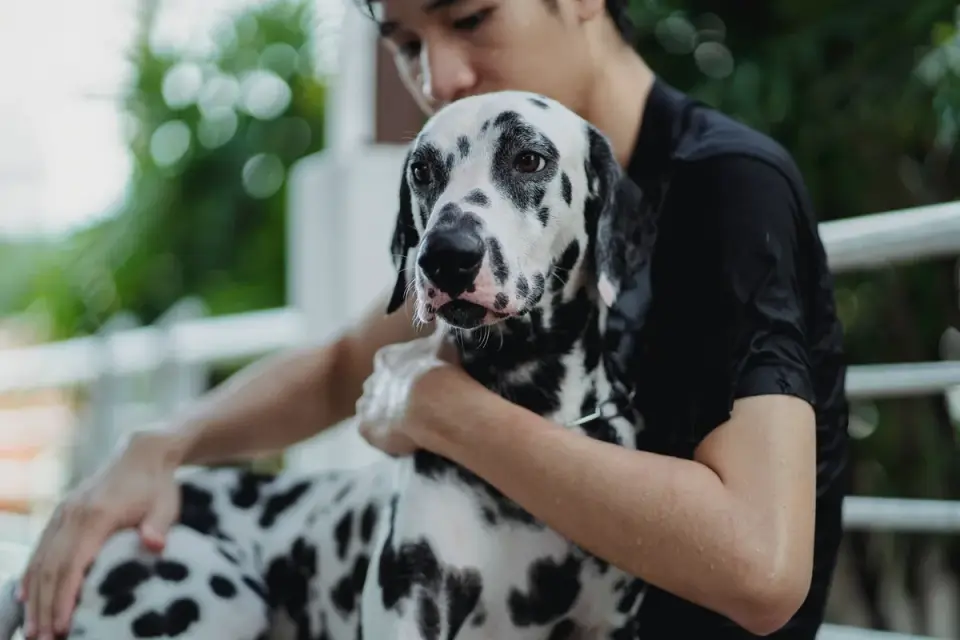
For an aging dog, loneliness can look like pain. I think of a 13-year-old, 61-pound shepherd mix, home by day 10 after a splenic mass removal with benign biopsy results pending, who would only sleep if a hand stayed on his ribs. The edge case was not his incision, which looked clean, but sundown vocalizing that his family feared meant suffering. What changed the nights was moving his recovery bed beside their bed, adding a brief midnight potty trip, and accepting that closeness was part of the prescription. Older dogs often need contact to regulate breathing and sleep, and honoring that need did not slow his healing.
When to widen the day again
Around week two, many surgeons allow slightly longer leash walks and supervised time in one additional room. Add only one change at a time. If appetite dips, limping returns, or sleep fragments after an expansion, step back to the prior smaller routine for 48 hours rather than pushing through.
Activity timing matters here too. Anesthesia and confinement decondition quickly, so resist the urge to make up for lost exercise with a long outing. The principles behind How Long to Wait Between Eating and Running: What the Evidence Actually Says apply in miniature, with small meals, settled digestion, and slow leashed movement protecting both stomach and sutures.
Watch the incision daily in good light. Mild bruising can be normal, but spreading redness, swelling, discharge, opening, odor, fever, pale gums, repeated vomiting, or refusal to bear weight as directed deserve a same-day call. Keep the cone or suit on as prescribed, even when the eyes plead otherwise, because a single night of licking can reopen what two weeks built.
What would the next quiet week allow to heal if you kept it small just a little longer?
Frequently asked questions
How long should my dog rest after surgery?
Follow your discharge sheet first, but most routine procedures need strict rest for 10 to 14 days with only short leashed potty breaks. Your surgeon adjusts that window for orthopedic or abdominal procedures.
What if my dog will not eat the first night home?
A skipped meal after anesthesia is common. Offer a small, familiar meal and water nearby, keep the room calm, and call your clinic if appetite, water intake, or urination stay absent beyond the timeframe on your instructions.
Sources
- 2022 AAHA Pain Management Guidelines for Dogs and Cats — American Animal Hospital Association
- Surgical Discharge Instructions for Dogs — VCA Animal Hospitals