
On this page
Start here: pick the parent breed’s temperament before you fall for a coat photo. That’s the fork every doodle decision runs through, whether you know it yet or not.
I still remember a family in my exam room with a nine-week-old Goldendoodle puppy named Biscuit, 11 pounds, wobbling on the slick clinic floor. They’d chosen him off a breeder’s Instagram photo — wavy coat, teddy-bear face — without asking a single question about his parents’ energy level. Three months later they were back, exhausted, because Biscuit’s Golden Retriever half wanted an hour of structured exercise a day and their apartment life offered fifteen minutes. Nothing was wrong with Biscuit. The mismatch was in the planning, not the puppy. I see this constantly: people choose a doodle by face shape, then discover the temperament six weeks in.
Both Labradoodles and Goldendoodles are Poodle crosses — a Labrador Retriever or Golden Retriever bred to a Poodle, usually a Standard or Miniature. That shared Poodle half is why people lump them together. But the other half of the pedigree is where the real differences live, and it’s the piece most families skip when they’re scrolling puppy photos at midnight.
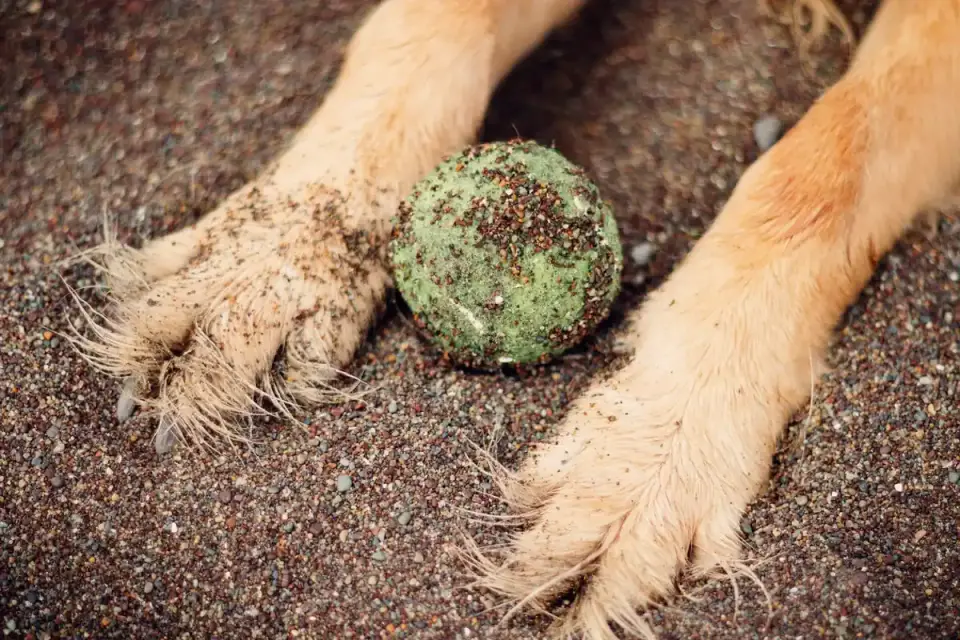
Start with the retriever half, not the coat
Labrador Retrievers are built for stamina and drive — retrieving, swimming, working a field for hours. Cross that with a Poodle and you often get a Labradoodle with a higher activity ceiling and a more food-motivated, task-oriented brain. Golden Retrievers lean gentler and more people-pleasing by temperament, and Goldendoodles frequently inherit that softer, more patient disposition, which is part of why they show up so often as family dogs with young kids or as therapy-dog candidates.
Neither pattern is a guarantee — a hybrid litter can land anywhere between the two parent breeds, and littermates can differ from each other. But if you’re choosing blind, the retriever half is the better predictor of daily temperament than the coat is.
Practical next step: ask the breeder specifically about the Labrador or Golden Retriever parent’s energy level and how they’ve placed puppies from past litters — not just the Poodle parent’s coat type.
Then sort the coat by generation, not by breed name
This is where “Labradoodle vs Goldendoodle” gets confusing, because coat and shedding aren’t actually determined by which retriever is in the mix — they’re determined by generation.
- F1 is a first-cross puppy: one purebred retriever parent, one purebred Poodle parent. Coat and shedding are the least predictable here; some F1 puppies shed lightly, some more than expected.
- F1B is an F1 doodle bred back to a Poodle, shifting the mix toward roughly 75% Poodle. This generation tends to produce a curlier coat and the most consistent low-shedding result, according to Petful: F1b Goldendoodle Generations Explained.
- F2 comes from breeding two F1 doodles together, and it’s the least predictable generation of all — littermates can range from flat-coated and shedding to tightly curled, because both parents are already 50/50 hybrids.
If a family member has real allergies, don’t take “hypoallergenic” as a settled fact for either breed — ask specifically what generation the puppy is, and know that F1B is generally the safer bet for lower shedding.
The joint conversation nobody has at the breeder’s kitchen table
Here’s where I get more direct than most doodle guides. Hip and elbow dysplasia are real, hereditary risks in both Labrador and Golden Retriever lines, and that risk doesn’t disappear when you cross either breed with a Poodle — it just gets less talked about because “hybrid vigor” sounds reassuring. Long-term monitoring of hip and elbow dysplasia across dozens of breeds, tracked over four decades in the US, found only modest genetic improvement over time even with active screening, according to a study published via PMC. That’s not a reason to avoid either breed — it’s a reason to ask for hip and elbow screening documentation on both parents before you commit to a puppy, regardless of which retriever is in the cross.
One of the dogs I worked with for years was a 65-pound Labradoodle named Otis, adopted at seven weeks with no health testing on either parent. By age four, Otis had started skipping the second flight of stairs at his owner’s townhouse and hesitating before jumping into the car — small, easy-to-miss changes that his owner almost wrote off as laziness. We caught early hip changes on X-ray that year, and the plan that followed was mostly about structure: weight management, ramp access to the car, and a joint-support routine built around realistic timelines rather than a quick fix. Otis did fine for years afterward, but I’ve always wished his owners had asked about hip scores before they picked him. It’s a five-minute conversation that can change a lot of years down the line.
For families weighing early joint support in an aging or at-risk doodle, our guide on whether hyaluronic acid actually works for dog joints is a useful next read once you’re past the puppy stage.
Living with the grown dog, not just the puppy
By twelve to eighteen months, most doodles have settled into their adult temperament and energy pattern, and this is usually when the retriever-half prediction proves out. The Labradoodle-leaning families I see are often the ones who wanted a hiking or running partner and got one. The Goldendoodle-leaning families more often wanted a calmer household presence and got that instead — though I’ve seen plenty of high-drive Goldendoodles and mellow Labradoodles, so treat this as a tendency, not a rule.
Feeding and digestion questions come up constantly in this stretch too. If you’re building out a food plan for a growing doodle puppy, our pieces on what to expect in a Labrador puppy’s first year and whether sweet potato is a safe addition to the bowl are both useful, since much of that first-year guidance carries over to Lab-based doodles specifically.
Anxiety shows up in both breeds too, especially in adolescence or after a move. If pacing, whining, or thunderstorm reactivity is part of your dog’s picture, our vet-reviewed roundup of calming supplements for dogs walks through the options in structure/function terms, not miracle-cure ones.

Where I land
A family I worked with last year had narrowed their search to a litter of Goldendoodles and a litter of Labradoodles, both from breeders two towns apart, and they asked me point-blank which one to pick. I didn’t tell them a breed name. I asked about their weekday schedule, whether anyone in the house had allergies, and whether they wanted a dog that would nap through a Sunday or one that would pester them for a third walk. They left with a Goldendoodle, not because it’s the “better” doodle, but because a patient, lower-drive companion matched the life they actually had, not the one they imagined having. That’s the whole exercise, and it’s less about the two breeds than about being honest with yourself first.
I don’t think there’s a universally “better” doodle — I think there’s a better fit for your specific household, and it’s found by asking about the retriever parent’s temperament and both parents’ joint screening before you ever discuss coat color. A high-energy household with time for daily structured exercise tends to do well with a Labradoodle’s drive. A household prioritizing a calmer, more patient companion — especially around young kids — often does better with a Goldendoodle’s typical disposition. Either way, ask for an F1B if allergies matter, and ask for hip and elbow documentation regardless of generation. That combination, more than any photo, is what actually predicts whether the fit holds up.
Frequently asked questions
Are Labradoodles or Goldendoodles more hypoallergenic?
Neither is guaranteed hypoallergenic. Shedding depends more on coat generation than on which retriever is in the cross — F1B puppies (bred back to a Poodle) tend to shed the least predictably low.
Do doodles still get hip dysplasia even though they're mixed breed?
Yes. Hip and elbow dysplasia are hereditary risks passed down from the Labrador or Golden Retriever parent, and crossing with a Poodle doesn't eliminate that risk — ask for screening documentation on both parents.