On this page
Lindsey sits on the edge of the bed in Surprise, Arizona, while Viola, her 8-year-old spayed female Lhasa Apso, circles from rug to doorway and back again. It is not quite play, and not quite worry. The question hanging in the room is the one I hear most: does she need more exercise, or does she need help winding down.
Start there, because the answer forks early. If the body is loose and bouncy, eyes bright, bringing you a toy and sprinting away, that is under-exercised energy. If the body is tight, panting without heat, yawning, lip-licking, following you room to room, or waking at 2 a.m. and unable to resettle, that is arousal or anxiety. More fetch helps the first dog. It often wires the second one further.
Sniffing sits in a different category than running, and that is why I reach for it first for seniors and shaky dogs. Nose work is rhythmic, low-impact breathing paired with sustained attention. The dog inhales in short draws, exhales slowly, pauses, processes, and chooses. Heart rate tends to stay level rather than spike and crash. Mental fatigue builds without the adrenaline surge that comes from chase, tug, or a crowded dog park.
Calm is a nervous-system state, not obedience.
In practice, vets often see the same pattern in aging dogs: daytime naps grow longer, nighttime sleep grows lighter, and novel sounds feel bigger. As VCA Hospitals notes in its overview of cognitive change, disorientation, altered sleep-wake cycles, and reduced social interaction may help support a conversation about canine cognitive dysfunction when they appear together and persist. That does not mean every restless senior has dementia. It means an older brain has less reserve for filtering stimulation, so the type of stimulation matters more.
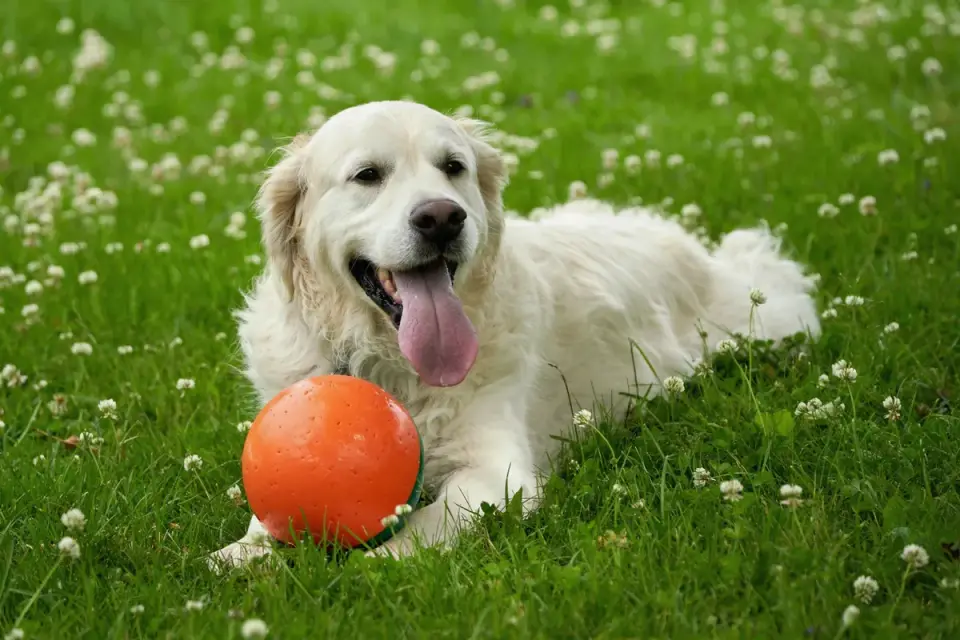
Is she buzzed, or is she worried?
Watch for ten minutes before you choose a game. A buzzed dog play-bows, bounces sideways, grabs a toy, and can still take a treat gently. A worried dog cannot settle, scans the room, pants, paces a track along the same hallway, or startles at small sounds. Seniors often show a mixed picture: stiff after rest, then restless after a short walk that was just long enough to ache but not long enough to tire the mind.
This distinction shapes my recommendation. For the worried or older dog, I prioritize gentle mental work that keeps the feet mostly still and the nose and brain busy. Merck Veterinary Manual describes similar behavioral shifts in its owner overview of cognitive dysfunction, including night waking and house-soiling in a previously trained dog, which is a useful reminder to rule out pain, urinary disease, and vision loss before calling it boredom. Comfort comes first. No puzzle fixes a full bladder or a sore hip.
Viola’s evenings illustrate the fork. Lindsey had added a third walk around the apartment complex, about 0.4 miles, hoping to tire her out. Viola came home panting harder and paced until midnight. When Lindsey swapped that walk for a five-minute scatter feed in the living room plus a warm bedtime routine, Viola lay down within 20 minutes on three of the next five nights. The distance was not the medicine. The downshift was.
Why slow sniffing settles better than extra miles
Think of arousal as a cup. Physical exercise pours more in before it drains out. For a young, sound athlete, that is fine. The cup empties during rest. For an anxious dog or a senior with arthritis, poor vision, or lighter sleep, vigorous exercise can keep the cup full for hours through panting, vigilance, and soreness.
Olfaction fills the cup more slowly. Scent detection requires focused inhalation, brief holds, and methodical searching, which naturally slows locomotion. Problem-solving without speed builds what trainers call satiety: the dog has made dozens of small, successful choices — check this corner, leave that one, dig here — and the brain registers completion. That sense of finished work supports rest in a way that interrupted chase rarely does.
I would change my emphasis if we had strong randomized trials in dogs showing that added vigorous exercise improves nighttime rest and next-day calm better than matched minutes of nose work, especially in dogs over 7 years. We do not have that. What we have is consistent clinical observation, behavior physiology around arousal and recovery, and aging-dog guidance that favors predictable routine, low stress, and cognitive engagement. The AVMA senior-pet resources make the same broader point: older dogs often need more veterinary monitoring, softer exercise, and environmental adjustments rather than simply more activity. Until better data arrive, comfort-first enrichment remains the more defensible default.
Tired in place: games that do not wind her up
Keep sessions short, quiet, and winnable. Five to ten minutes is enough. End while she is still succeeding, not after frustration builds.
Scatter feeding is my starting place. Toss half her dinner, kibble by kibble, into a rug or short grass so she must sniff each piece. For a dog new to food puzzles, you can borrow structure from a basic guide to enrichment toys but keep the difficulty at the lowest setting and stay in one room. If she uses her paws and quits, the puzzle was too hard. Make it easier next time.
A snuffle search down one hallway works well for dogs who bark at every sound. Place three small piles of treats in plain sight, about six feet apart, and walk with her on a loose leash. Let her find, eat, and pause. Add distance only if her tail and breathing stay soft. For Lhasa-type coats and faces, which can make deep snuffle mats frustrating, shallow is kinder, a point that matters when telling Shih Tzu vs Lhasa differences apart by muzzle and eye exposure as well as coat care.
Chewing counts as mental work when it is slow. Offer a safe, size-appropriate chew after the search, on a mat, with the lights low. Stay nearby. Remove small ends. If chewing ramps her up into guarding or frantic gnawing, trade for licking: a thin smear of wet food on a textured mat, frozen for ten minutes for a senior who can manage cold. Licking is repetitive and self-pacing, and many worried dogs settle faster with it than with a puzzle that clatters.
Training can stay in the mix if you keep criteria tiny. Ask for one familiar behavior, mark and reward calmly, then pause for five seconds. Three repetitions, then rest. You are rewarding thoughtfulness, not speed. Avoid chaining new tricks late at night or drilling recalls across the house. Precision work under fatigue creates errors, and errors create arousal.
When to stop and protect sleep
Stop if you see stacking stress signals: panting that does not ease, whale eye, freezing, leaving the game, or a sudden burst of zoomies after stillness. Those are signs the cup is full. Dim the lights, offer water, guide her to the same bed in the same spot, and sit with her for a few breaths. Routine is part of the intervention.
Small comforts add up for seniors. A non-slip path to water, a nightlight in the hallway, and a late potty break close to home may help support uninterrupted rest more than any toy. If night waking is new, worsening over two to three weeks, or paired with appetite change, house-soiling, or confusion at doors, schedule a veterinary visit rather than adding stimulation. Pain, hypertension, urinary infection, and cognitive change can look like boredom at midnight.
My concise recommendation is this: trade one arousing evening outing for one short sniff-and-lick ritual, same time, same place, for seven nights. If restlessness eases and mornings look softer, you have your answer. If it does not, let your veterinarian look deeper. Quality of life is measured in quiet nights, not in miles.
Frequently asked questions
How much mental stimulation does a senior dog need each day?
Most seniors do well with five to ten minutes of easy sniffing or licking once or twice daily, kept winnable and stopped before frustration. If panting, pacing, or avoidance appears, shorten the session and try an easier setup next time.
Why does fetch wind my anxious dog up instead of tiring her out?
Chase raises arousal quickly through speed, shouting, and sudden stops. Sensitive dogs may stay vigilant for hours afterward. Slower nose work builds fatigue through choices and sniffing without the same adrenaline surge.
Should I feed the whole dinner in a puzzle?
Only if your dog stays relaxed and finishes without frustration. For worried or older dogs, try half in the bowl and half scattered, then adjust toward what leaves her sleepy rather than stressed.
Sources
- Senior Pets — AVMA