
Sitting on the kitchen floor with a dog who just swallowed ham feels awful, that mix of guilt and worry while he looks up at you, tail still wagging.
Casey knew that feeling in Lewisville, Texas, when Emmett, a 2-year-old neutered male West Highland White Terrier mix, snatched two thick slices off a sandwich plate and then paced for water within twenty minutes. The choice in front of Casey was the same one you face, wait and watch through the night or pick up the phone, and the kinder path is usually both, a calm home watch paired with a prompt call for guidance.
Settle first, then sort what happened
Ham is rich, fatty, and very salty compared with a balanced dog diet. That combination can irritate the stomach and intestines, cause thirst and fluid shifts from sodium, and in some dogs contribute to pancreatic inflammation. VCA Animal Hospitals describes vomiting, loss of appetite, and belly pain as common signs of pancreatitis in dogs, with fatty meals listed among the risk factors.
Your job in the first hour is simple information gathering. Save the package or note what kind of ham it was, plain cooked, honey-glazed, deli slices with garlic or onion seasoning, or a bone. Estimate how much disappeared and when, and note your dog’s weight and any ongoing conditions such as kidney disease, heart disease, or prior pancreatitis.
Quiet comfort matters more than a quick fix.
What I watch for over the next day
Most dogs who eat a small bite of plain ham develop no signs or only brief soft stool. Larger amounts, seasoned or smoked ham, or ham eaten with fat trimmings and bone raise the concern. Merck Veterinary Manual notes that dietary indiscretion, particularly fatty food, is associated with pancreatitis, which can bring repeated vomiting, dehydration, lethargy, and abdominal discomfort.
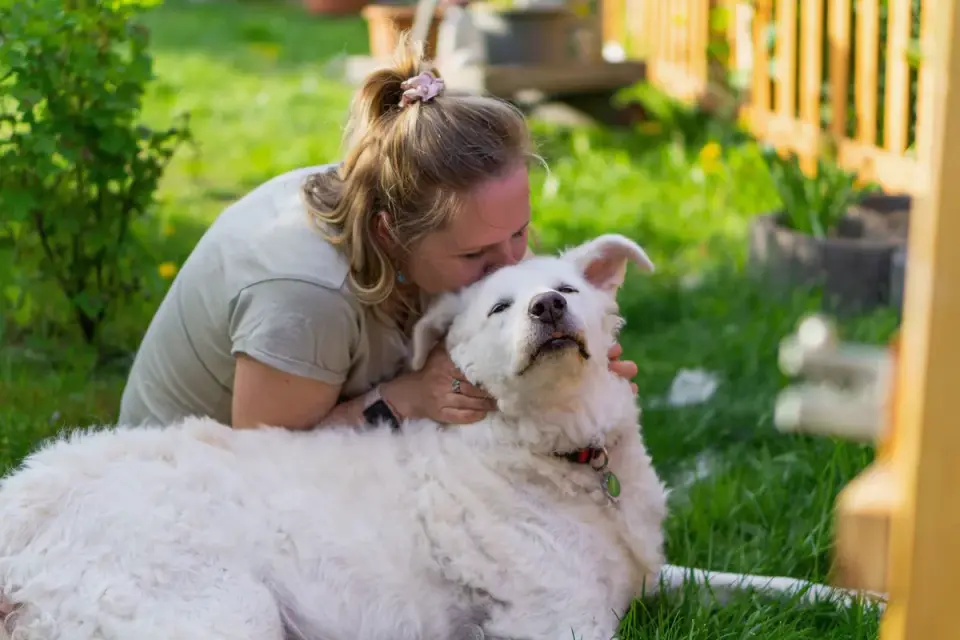
Watch for repeated vomiting, diarrhea, drooling, lip-licking, a hunched belly, whining when the belly is touched, unusual thirst followed by restlessness, or refusal of the next meal. Pet Poison Helpline explains that excess salt can cause increased thirst, vomiting, and lethargy in pets, and very large amounts carry more serious risks.
Debbie in Lansing, Michigan, lived this slower version with Angelica, a 9-year-old spayed female Yorkshire Terrier who nibbled a palm-sized piece of baked ham at dinner and seemed fine until she turned away from breakfast twelve hours later. For an older, small dog, that quiet appetite change was the signal to call rather than wait another day, because comfort and hydration slip faster at that age and size.
When to call, and what helps while you wait
Call your veterinarian or an emergency clinic promptly if your dog ate ham with onion or garlic seasoning, ate a ham bone, is very small, is a puppy or senior, has kidney or heart disease, or shows repeated vomiting, bloody stool, belly pain, weakness, collapse, or extreme thirst. If you are unsure about the amount, a brief call still supports peace of mind. Guidance on other seasoned holiday foods, such as Are Onions Toxic to Dogs? What I Tell Worried Owners at Midnight and Can Dogs Eat Onions? Why Vets Say No, Every Time, can help you sort combination dishes that contain ham plus vegetables.
Do not try to make your dog vomit at home unless your veterinarian specifically asks you to. Offer fresh water, keep the evening meal small and bland only if your vet agrees, skip extra treats and fatty leftovers, and keep ham bones, string, and foil out of reach. A dark, quiet resting spot may help support rest for an anxious dog, and our review of The 5 Best Calming Supplements for Dogs, Reviewed by a Vet (2026) walks through gentle options to discuss with your vet if nighttime restlessness lingers.
If the night passes with normal water intake, normal energy, and one normal morning potty trip, most families can return to the usual diet and simply avoid offering ham again. Keep a short note of what was eaten and how the stomach behaved, so your vet can see the pattern if it happens again.
Frequently asked questions
How much ham is dangerous for a dog?
Any amount can cause stomach upset because ham is salty and fatty, and small dogs and dogs with prior pancreatitis, kidney, or heart disease tend to struggle with smaller amounts. Call your vet with your dog's weight and an estimate of what was eaten for advice tailored to your dog.
My dog ate a ham bone. Is that different?
Yes. Cooked bones can splinter and cause choking, mouth injury, vomiting, or intestinal blockage. Call your veterinarian promptly and watch for gagging, drooling, vomiting, loss of appetite, straining to pass stool, or belly pain.
What should I feed after my dog ate ham?
Offer water and wait for veterinary guidance before feeding anything special. Many vets suggest a return to the normal diet once vomiting has stopped and appetite returns, rather than a rich home-cooked mix.
Sources
- Pancreatitis in Dogs — VCA Animal Hospitals
- Salt Poisoning in Pets — Pet Poison Helpline