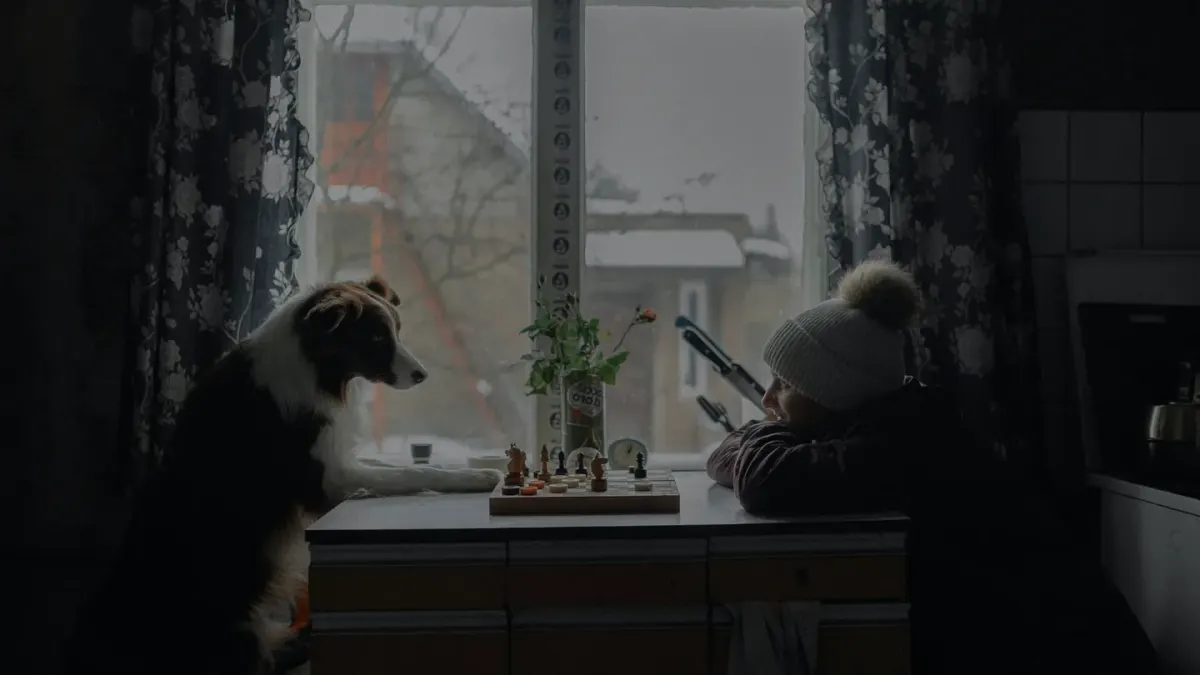
The kitchen was quiet at 10 p.m., and the 9-year-old Labrador who usually nudged his bowl across the tile just lay by the door. His owner said he was 68 pounds, steady all his life, but for two weeks he had greeted no one, finished only half his meals, and stopped asking for his evening walk around the block. She wondered if this was sadness after her son left for college, or something medical that needed attention that week. That question is the fork every owner faces with signs of depression in dogs and how to help, and I think in movement, comfort, and quality of life first.
Decide first whether this is a wait-and-support week or a call-the-clinic-now situation. If your dog is still drinking, breathing normally, and willing to move a little, you can observe closely at home for a day or two while you restore routine. If there is refusal to drink, labored breathing, sudden inability to stand, collapse, pale gums, vomiting or diarrhea that will not stop, or pain when touched, skip the behavior plan and seek veterinary care promptly. Low mood does not protect against illness, and illness often looks like low mood.
When withdrawal is grief, boredom, or pain wearing the same coat
Dogs show change through what they do less. Less greeting at the door, less interest in play, more sleeping in one spot, turning away from food, licking paws or flank, ears low and body still. These patterns often follow a loss, a move, a new schedule, less daylight and exercise in winter, or a long recovery in a crate. They also follow arthritis pain, dental pain, thyroid shifts, gastrointestinal upset, and cognitive change in older dogs.
I watch how a dog moves before I label the mood. A dog who wants to play but sits after three steps is telling a different story than a dog who watches the toy without lifting his head. Note appetite in cups rather than impressions, note walks in minutes and distance, note sleep location and whether your dog still follows you room to room. That log becomes useful for your veterinarian and keeps worry from blurring into guesswork.
A 4-year-old herding mix, 42 pounds, came to mind as I wrote this. Three weeks in after an apartment move, he paced at night, chewed the windowsill, and refused fetch for the first time in his life. His owner tried longer weekend hikes to tire him out, then felt guilty when he seemed flatter on Monday. The tradeoff was clear on the movement log, weekday restlessness with no outlet followed by weekend overexertion and soreness. Once they switched to short, predictable morning and evening walks with sniff time and a quiet chew after dinner, his pacing eased and he carried the ball again by the end of week four.

What steady support looks like day by day
Keep the day legible. Same wake time, same feeding times, same short walk route, same bedtime cue. Dogs settle when the pattern holds. Build in small wins, two minutes of nose work with kibble in a towel, a gentle grooming session, sitting together in sunlight by the window. Reward any bright moment with calm praise rather than coaxing with excitement that can overwhelm a tired dog.
Food and movement matter more than any supplement. Offer the regular diet on schedule, warm it slightly to release aroma, and avoid frequent toppers or new treats that upset the stomach. Restore walks gradually, especially for stiff or older dogs, with level ground and time to sniff. Tui-na style touch, slow strokes along the shoulders and hindquarters, and a warm, draft-free resting spot may help support mobility and comfort, which often lifts engagement on its own.
Some owners ask about calming herbs. The evidence is modest and mostly not canine-specific, so I keep expectations narrow. A review summarized in Biomedicines notes that “For the remaining species, evidence is derived mainly from preclinical studies or traditional use.” Traditional herbal care has described it this way, “Chamomile and Valerian Root have been used in traditional herbal care to support relaxation.” For ashwagandha, a review summarized in Cureus found that “A systematic review analyzed multiple RCTs and concluded that ashwagandha has a moderate positive impact on stress reduction and cognitive performance.” For L-theanine, a review summarized in Molecular Psychiatry reports on a narrow subgroup, “except for one study on psychotic anxiety (SMD = 0.54; 400 mg/day for 8 weeks)”. I share those lines to explain why I do not lean on these ingredients for low mood itself. They have been studied for calming properties, as in “L-theanine is an amino acid found in tea that has been studied for its calming properties,” and one commercial form is described as “Contains KSM-66 Ashwagandha, a clinically studied form of Ashwagandha for stress support,” but stress support is not treatment for depression, pain, or disease. For more on how these ingredients fit into a settle routine, see Dog Calming Chews: What Actually Helps a Nervous Dog Settle and Melatonin for Dogs: What It Actually Regulates, and Where the Evidence Runs Out.
The older dog who sleeps more but still lights up
A 13-year-old terrier mix, 18 pounds, showed the edge case I want owners to hold gently. By day 10 after a dental cleaning, she slept through the afternoon but still thumped her tail when her person sat on the floor beside her. Appetite was soft but steady, stairs were slow, nights were calm. The family worried they were missing depression because she no longer patrolled the house. On exam the shift was comfort and age, sore mouth healing, stiff hips, duller hearing, not a loss of bond. With softer food for two weeks, a ramp to the couch, and two five-minute strolls instead of one long loop, she chose to be near people again and resumed her window watch.
That is why my recommendation stays where it does. Prioritize medical rule-out, pain assessment, and routine before you reach for a mood label. The strongest counterargument is that dogs do grieve and shut down after change, and owners feel that clearly. I respect that, and routine plus connection helps grief too. Still, movement tells the truth first. If gait shortens, rising stiffens, or appetite drops by more than a day, let your veterinarian examine the body that carries the mood.
If low energy persists beyond two weeks despite steady routine, or if appetite loss, weight loss, vomiting, cough, lameness, or house-soiling appears, schedule a visit and bring your notes. Younger dogs who destroy, vocalize, or cannot settle may be anxious and understimulated rather than flat, and that points toward training and enrichment covered in The 5 Best Calming Supplements for Dogs, Reviewed by a Vet (2026). Dogs who gulp or show stomach upset alongside withdrawal may need a digestive check first, as discussed in Why Your Dog Gulps Food and How to Help.
A brief recap for the midnight kitchen. Track movement, comfort, and quality of life, keep the days small and repeatable, and let your vet clear the medical causes early. Meet older dogs and their people where they are. Most dogs brighten when pain eases and life feels predictable again.
Frequently asked questions
How long should I watch low mood at home before calling the vet
If your dog still drinks and moves a little, observe closely for 24 to 48 hours while you restore sleep, meals, and short walks. Call sooner for refusal to drink, trouble breathing, collapse, ongoing vomiting or diarrhea, pale gums, sudden lameness, or pain.
Can routine alone help a sad dog
Often it helps a great deal. Consistent wake, feed, walk, and bedtimes plus brief play, sniff walks, and quiet company support comfort and engagement. If appetite loss, withdrawal, or sleep change lasts beyond two weeks, ask your veterinarian to assess pain, illness, and cognition.
Sources
- Chamomile review in Biomedicines — Biomedicines
- Ashwagandha systematic review in Cureus — Cureus
- L-Theanine review in Molecular Psychiatry — Molecular Psychiatry