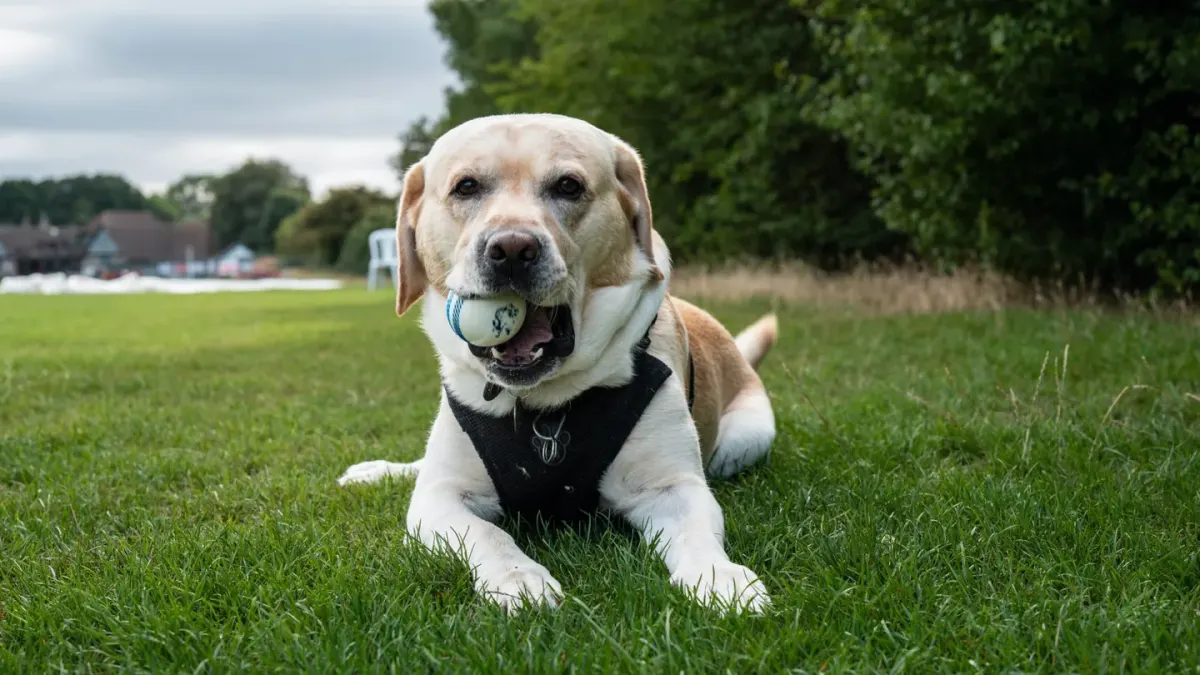
Park first, then pack the toy — a tired dog settles faster than a wired dog with a brand-new squeaker.
I see this choice at the start of every road-trip consult: do you try to distract a restless dog with excitement, or do you give the nervous system something slow and repetitive to do? For the car, I land firmly on the second path. Licking and steady chewing may help support calm behavior during confinement, while bouncing, squeaking, and chasing drive arousal up in a small space. Weigh what a supplement or a toy can realistically do for diet, mobility, and recovery here — a toy will not fix motion sickness or true panic, but the right texture and rhythm can maintain a settled posture for miles.
A family I talked with last spring was planning a 180-mile drive to the coast with their 4-year-old, 48-pound mixed-breed dog who panted, paced the back seat, and drooled on every trip over 30 minutes. They had tried a squeaky plush and a tennis ball, both of which made him whine louder by mile 20. We swapped the plan: a 20-minute sniff walk before loading, a secured crate with a familiar blanket, then a frozen lick mat offered only once the car was moving. His panting eased to quiet breathing by mile 45, and he lay down for the second hour instead of circling.
Settle the space before you offer anything
Secure the dog first. A crash-tested crate, a tested harness with a seat-belt tether, or a back-seat barrier keeps a toy from becoming a projectile and keeps a chewing dog from sliding into the footwell. Guidance from the American Veterinary Medical Association on traveling pets stresses restraint and ventilation for exactly this reason.
Park the car, load calmly, and let the dog sniff the secured spot for a minute. Offer water, crack windows for airflow without heads hanging out, and keep the temperature cool. Only then introduce the toy.
Clip long tethers short enough that the dog cannot reach the front seats. Remove rope toys with loose strings and any toy small enough to swallow.
Pick licking and slow chewing over noise and fetch
In a moving car, reach for three types.
Frozen lick mats with a thin smear of peanut butter or wet food. Freezing adds 15 to 25 minutes of slow work without much calorie load. Carry a silicone lid and keep portions small so a sensitive stomach is not overloaded.
Stuffable rubber toys packed tight. Soaked kibble mixed with a spoon of canned pumpkin, frozen overnight, then handed over after the first rest stop. The cold, dense fill rewards sustained licking rather than frantic gnawing.
Soft, quiet comfort objects for dogs that self-soothe by holding. A flat fleece toy with no squeaker gives mouthy adolescents something to mouth in a down-stay. If your dog shreds plush, skip this category entirely for the car.
Leave squeakers, hard fetch balls, and tug ropes at home. They cue movement. They roll under pedals. They raise barking.
Mid-summer, an owner of a 9-month-old terrier told me she had packed five different toys for a two-hour lake trip — two squeakers, a rope, a hard bone, and a light-up ball — hoping variety would buy quiet. By minute 30 the puppy had shredded one plush into three piles of stuffing, barked at the squeaker for 12 straight minutes, and wedged the ball under the passenger seat. We pulled everything except a frozen stuffable, shortened the tether, and added a chew break at a rest area. He chewed for 22 minutes, then slept. The lesson stuck: fewer, quieter options settle more dogs than a toy box on wheels.
Match the toy to the dog in front of you
Puppies and power chewers need rubber sized up, not down. If you can press a thumbnail into it and leave a dent, most adult dogs can chew it without cracking a tooth. Senior dogs and flat-faced breeds do better with soft lick surfaces and short sessions, because jaw fatigue sets in fast.
For dogs that gulp, avoid small treats inside puzzle balls that rattle loose all at once. For resource guarders, skip high-value chews in tight quarters with kids or other dogs. Give the chew only when the dog is already lying down, then quietly reward the settle, not the chewing itself.
If boredom at home is part of the pattern, rotate car toys out of the daily bin. Ideas from Enrichment Toys for Mental Stimulation: What Actually Helps a Bored Dog and Easy DIY Dog Toys You Can Make at Home work well here — keep the car toy novel so it holds attention on the road.
For small dogs that get cold or overwhelmed in big crates, a snug carrier plus a familiar-smelling fleece often beats any puzzle. More on sizing in Best Toys for Small-Breed and Toy Dogs.
When the usual slow-toy plan has to bend
Some dogs do not get calmer with food toys. A 62-pound senior hound I discussed recently would lick for two minutes, then pant, drool, and refuse food for the rest of a 90-minute drive to a family cabin — classic motion-related nausea, not boredom. For that dog we stopped pushing longer-lasting chews. The owner moved the crate to face forward for better airflow, kept the morning meal to half the normal amount fed three hours before departure, scheduled a 10-minute walk-and-water stop at minute 40, and brought only water and a familiar blanket. Vomiting episodes dropped from two per trip to zero on the next two drives, which told us the gut needed settling more than the mouth needed work.
That is the honest counterpoint to my lick-and-chew recommendation. If drooling, lip-licking, yawning, vomiting, or true panic continue despite a quiet setup, pause the toy strategy and talk to your veterinarian about motion sickness and anxiety. Tips from the ASPCA on car travel also note that short practice trips and calm arrivals help dogs build a better association.
Bring one quiet toy per dog, secured and sized right, and let the miles do the rest.
Sources
- Traveling With Your Pet — American Veterinary Medical Association