
You are up late because the itching never quite stops. The paws get licked raw after dinner, the ears flare every few weeks, and you have already changed kibble twice with no clear answer. The fork in front of you is simple and hard. You can keep guessing with another bag off the shelf, or you can commit to one clean test that gives your vet something real to read.
An elimination diet for dogs is that clean test. Veterinary dermatology resources like VCA Hospitals describe it as a strict feeding trial that removes suspect proteins and then watches for change over time. It is not a new brand for variety. It is a short list of ingredients fed alone, with nothing else sneaking in.
What this test is asking your dog to show you
Most food-responsive itch or soft stool is tied to a protein the immune system has flagged, often chicken, beef, dairy, or soy. An elimination trial feeds either a novel protein your dog has never eaten or a hydrolyzed diet where proteins are broken into pieces too small to alarm the system. You feed only that food, usually for about eight weeks, then you and your vet look for less itching, calmer ears, and firmer stools.
Vets often see the pattern Edie showed in Naperville, Illinois. Greg lives with Edie, an 8-year-old spayed female Lhasa Apso mix, who started chewing her front paws nightly and waking to scratch. The choice was another casual swap or one strict eight week trial with a recheck and a planned food challenge at the end. That challenge matters because it confirms the link when old signs return after one old ingredient returns.
Strict is the test.
Unlike Bland Diet Alternatives When You’re Out of Chicken which is meant to settle a short bout of upset, an elimination trial is trying to quiet background noise so one signal can come through. I pair careful medical work to rule out infection and parasites with steady nutritional support that keeps the gut and skin calm while we wait. That pairing reflects how I think about mechanism first and comfort always.
Why close enough keeps you stuck at midnight
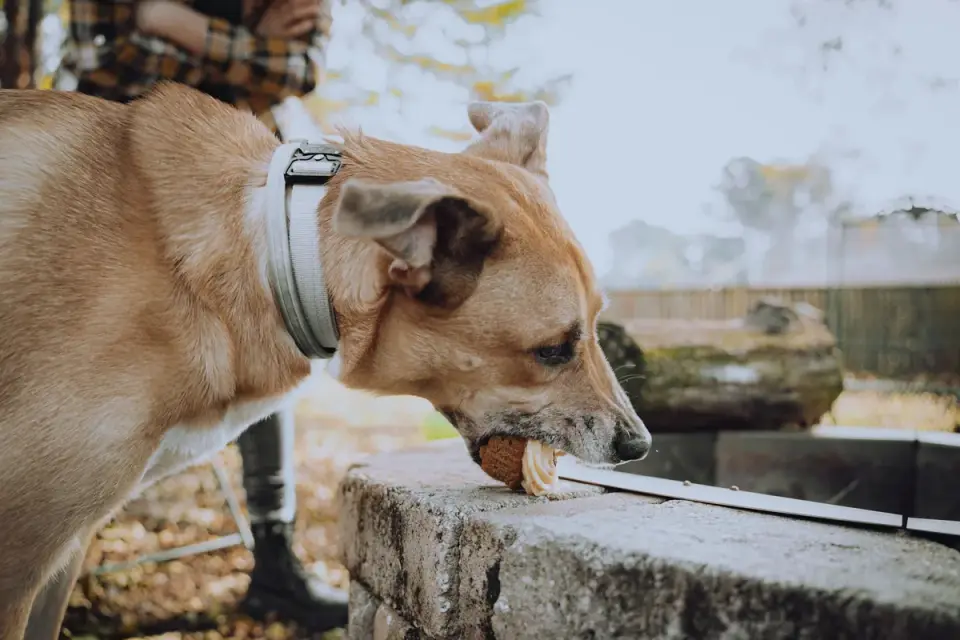
Casual swapping muddies the result because even small extras carry the same proteins you are trying to remove. A dental chew, a training bit of cheese, a flavored heartworm chew, table scraps, or another dog bowl can keep the itch alive and make a good diet look like a failure. You need a full stop on treats, toppers, flavored meds, and scavenged snacks unless your vet approves each one.
One owner described what that baseline looked like at home.
What owners reportMine has slimy poop, so I had to set a baseline because I knew it wasn’t his regular food. For 3 weeks I stopped all treats, fruits. His poops were perfect.
This article recommends building that kind of plain baseline with your vet and keeping a short daily log.
That log does not need to be fancy. Note food and amount, any chew or bite that slipped in, itch on a one to ten scale, ear odor, and stool shape. Bring it to rechecks. If your dog needs steroids, Apoquel, Cytopoint, or antibiotics during the trial, ask how that changes what you can interpret. Relief from medicine is welcome, yet it can mask the food signal you came to find.
How to run it clean and still live your life
Start with a vet visit to rule out fleas, mites, yeast, and bacterial infection. Pick one trial diet together and write down exactly what is allowed. Wash bowls, separate dogs at meals, tell family and walkers the plan, and keep approved low risk rewards in a jar by the door so no one improvises. The explainer in Can Dogs Eat Apples? A Neurologist’s Take on the Fork, the Core, and the Seeds is a useful reminder that even plain whole foods still count as inputs during a trial and need vet approval first.
Feed the trial alone for the full period your vet sets. Do not add coconut oil, toppers, or rotation proteins to help the coat. If signs fade by week six to eight, you will usually add one old ingredient back at a time for one to two weeks each to see what brings the itch or loose stool back. That return is information, not failure. It tells you what to avoid long term and what maintenance diet may help support normal skin comfort.
You will know it is time to call sooner if there is facial swelling, vomiting that will not stop, bloody diarrhea, weight loss, or a puppy that stops growing well. Those signs need prompt care and a new plan.
Looking ahead, think of this as eight weeks of boring that buys years of clarity. Pick the strict path once, run it with your vet, write everything down, and let the challenge phase name the trigger so dinner gets simple again.
For related context, read Bland Diet Alternatives When You’re Out of Chicken.
For related context, read Can Dogs Eat Onions? Why Vets Say No, Every Time.
Frequently asked questions
How long is an elimination diet for dogs?
Many vets recommend about eight weeks of strict feeding, then a planned challenge with old ingredients to confirm what triggers signs.
Can my dog have treats during an elimination trial?
Most trials allow only the prescribed diet plus vet-approved items, because treats and flavored chews can carry the same proteins you are testing.
What is the difference between a novel protein and a hydrolyzed diet?
A novel protein is one your dog has not eaten before, while a hydrolyzed diet uses proteins broken into very small pieces to lower immune recognition.