On this page
You are hoping for soft evenings, a dog who sighs and folds onto a bed while the house winds down. Breed lists will give you familiar faces, yet in my work with aging dogs I have learned to look past the label. Calm at home grows from age, individual energy, health comfort, and the steadiness of the household.
A puppy of even a gentle breed is still a puppy. She wakes, mouths, explores, and needs frequent outings and short lessons in how to settle. An adult or senior dog arrives with those early months behind her. What you meet on a quiet evening is much closer to what you will live with.
The American Kennel Club describes the Cavalier King Charles Spaniel as affectionate and gentle, and many Cavaliers I have known match that picture. Still, two Cavaliers can live very differently when one enjoys predictable walks, meals, and a soft bedtime spot and the other spends long hours alone without company or enrichment. Temperament opens the door. Daily life decides how often the dog walks through it.

Why older dogs often rest easier
Maturity slows the tempo. Many middle-aged and older dogs sleep more deeply during the day, play in shorter bursts, and take comfort in repetition, the same chair, the same short evening loop, the same low voice at bedtime. The American Veterinary Medical Association notes that senior pets benefit from regular veterinary care, extra rest, and small home adjustments such as ramps and softer bedding to stay comfortable.
That comfort is part of calm. A dog with sore hips, dental ache, itchy skin, or a full bladder overnight is not difficult by nature. She is asking for support. Low thyroid function, pain, and cognitive change in later years may also bring pacing or night waking that can look like restlessness. A veterinary exam before adoption, and again in the first month home, may help support a kinder start by naming what the body needs.
I think of Mystic, a 9-year-old spayed female Soft Coated Wheaten Terrier living with Natasha in Detroit, Michigan. Young Wheatens are often bouncy, and Mystic was no exception. At nine, with measured walks, a steady evening routine, and a quiet corner with familiar bedding, she dozes through the low hum of the television and asks politely for one last short outing. Her breed did not change. Her stage of life and her rhythm did.
What a peaceful household practices
Dogs settle more easily when the home feels predictable. Greetings stay low. Visitors give space. Training leans on food, rest, and gentle guidance rather than scolding. Mealtimes, walks, and bedtime follow a similar order each day.
Sound and space matter too. Street noise through open windows, echoing hallways, and long absences can make rest harder, much like the questions explored in The Real Test for an Apartment Dog Isn’t Size. Families sharing space with other animals often notice the same, and reading Best Dog Breeds for Homes That Already Have Cats can help clarify how traffic, scent, and safe retreats shape daily ease.
How to meet the dog who fits your pace
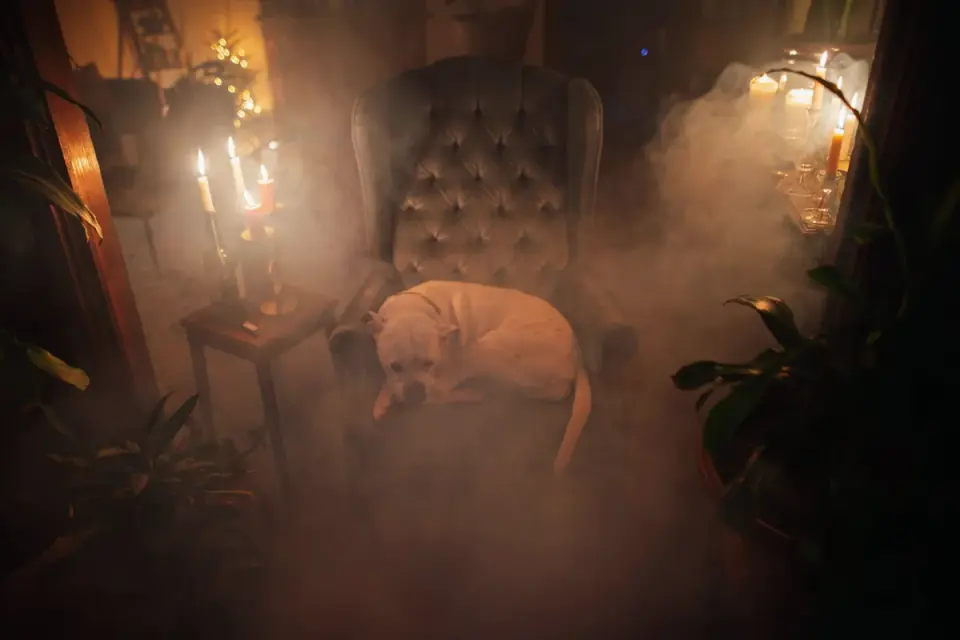
Ask the shelter or foster what the dog is like at 8 p.m., not only on a walk. Does she settle after twenty minutes of sniffing and play. Does she rest when people sit down. How does she ask to go out. What sounds startle her. A foster who keeps a written toilet record, offers a room with familiar toys and soft music, and notices whether the dog sleeps without mess can tell you a great deal.
Plan two or three visits, including one quiet hour indoors. Bring a book. Let the dog choose to lie down. Watch for soft eyes, slow breathing, and a body that leans into rest. Those signs may help support your sense that this dog fits your home, though no single visit can promise perfection.
Breeds often called calm, held lightly
Some breeds come up often because many adults need less intense exercise. Greyhounds, Great Danes, Shih Tzu, Pugs, Basset Hounds, Bernese Mountain Dogs, and Clumber Spaniels can be easy loungers in the right home. Each still produces lively individuals, and each brings its own care needs around breathing, joints, coat, and space to stretch.
Use breed traits as a starting question, then let the individual answer it. A four-year-old hound mix who loves the couch may be calmer in your living room than a young puppy of a famously placid breed. The calmest house dog, most often, is the adult or senior dog whose energy matches yours, whose health needs are understood, and whose days hold steady meals, short walks, and a soft place to rest.
For related context, read Are Onions Toxic to Dogs? What I Tell Worried Owners at Midnight.
For related context, read Pembroke vs Cardigan Welsh Corgi: Which One Actually Fits Your House?.
Frequently asked questions
Which breed is the calmest house dog?
No single breed holds that title. Many adults in low-energy breeds rest well indoors, but age, health, individual temperament, and daily routine shape calm far more than breed alone.
Is an older dog calmer than a puppy?
Often, yes. Puppies of every breed need frequent outings, chewing outlets, and training to learn to settle, while many adults and seniors already rest for longer stretches and show their true home rhythm.
How can I tell if a shelter dog will be calm at home?
Visit more than once, including a quiet indoor hour. Ask the foster about evening settling, toilet signals, startle triggers, and sleep habits, and arrange a veterinary exam to check for pain or medical causes of restlessness.
Sources
- Cavalier King Charles Spaniel Dog Breed Information — American Kennel Club
- Senior Pets — American Veterinary Medical Association
- The Real Test for an Apartment Dog Isn't Size — Plooshy
- Best Dog Breeds for Homes That Already Have Cats — Plooshy