Waking to a head tilt, circling, or legs that will not quite hold feels alarming, and the first fork is simple: has a veterinarian confirmed stroke and ruled out look-alikes, or are you still guessing at home.
If your vet has guided the diagnosis, home care may help support maintaining comfort while nerves and muscles recalibrate. If not, call first — sudden balance loss can also mean idiopathic vestibular disease, inner-ear trouble, or other neurologic causes, and the plan depends on which one you are facing.
A scannable home checklist for the first weeks:
- One calm, non-slip resting zone with food and water close by
- Short, assisted potty trips with a towel sling, not long walks
- Small, easy-to-swallow meals and a raised bowl if head tilt makes eating messy
- Gentle range-of-motion and weight-shifting, only as your vet or rehab therapist showed you
- A simple daily log: appetite, stumbles, head tilt, bathroom habits, rest
- Clear return-call triggers from your discharge sheet

1. Make rest truly restful
Why stillness comes first
After a stroke, the brain needs quiet input to re-map balance and limb placement. Structure here means joints held in normal alignment during rest. Function means the nervous system can practice normal signals without slipping, startling, or bracing.
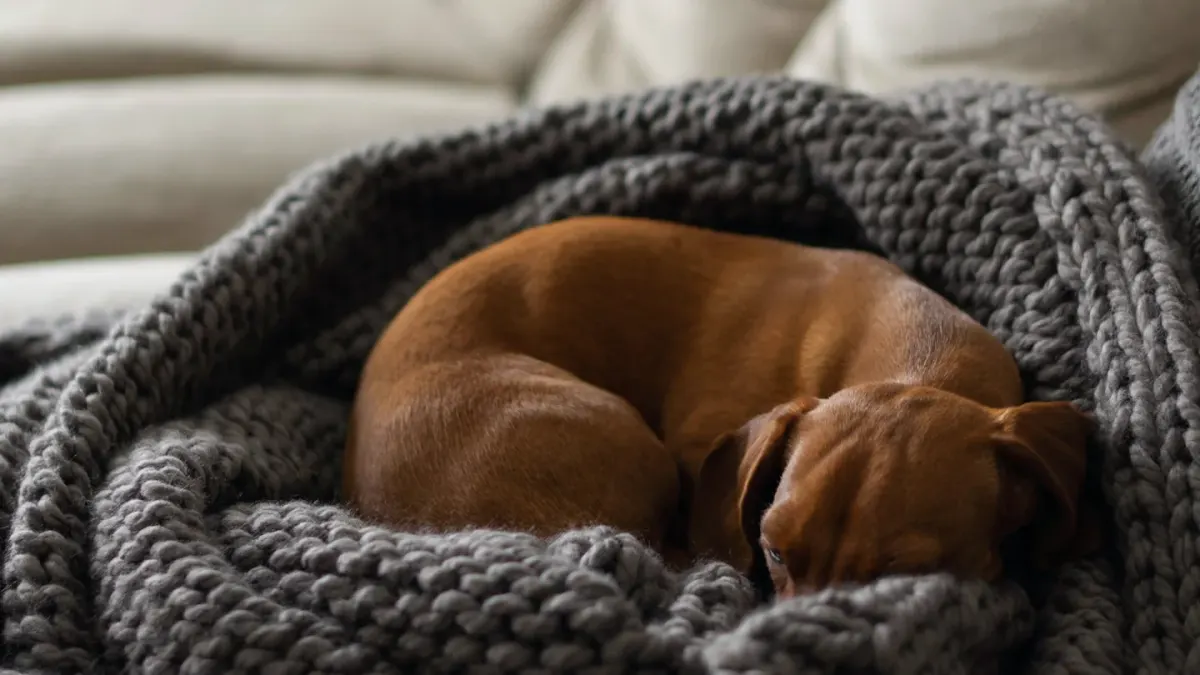
Set up one room, not the whole house. A low-sided bed on a yoga mat or interlocking foam tiles, baby gate across stairs, cords and clutter moved out. Keep light low in the evening and voices steady.
In practice, vets often see dogs pace when they cannot settle. Karl, in Gresham, Oregon, noticed this with Tatum, his 11-year-old neutered male Cockapoo — circling to the left for three nights, then sleeping only in 20-minute bursts. Counting those bursts for two days gave his vet something usable to adjust.
Calm routines may help support maintaining normal rest patterns. For ideas that fit a quiet evening, see Dog Calming Chews: What Actually Helps a Nervous Dog Settle.
Rest is active.
2. Feed for swallowing and strength
Small bites, steady posture
Facial weakness or nausea can make gulping risky. Structure is the mouth, throat, and neck working in line. Function is safe swallowing and steady energy for healing tissues.
Offer smaller, more frequent meals with water within one step of the bed. A slightly raised bowl can reduce neck twisting when head tilt is present. Hand-feed a few kibbles at a time to watch the swallow. Note coughing, drooling from one side, or food dropping.
Ask your vet about texture and calories for your dog’s weight. Do not add supplements to “speed” recovery without review.
3. Help them move without rushing rehab
Support limbs, let nerves lead
Early mobility is about maintaining joint motion and circulation, not building strength. Think structure first — paws under hips, spine straight — then function — brief, balanced standing.
Use a towel under the belly or a fitted harness for potty trips of 3–5 minutes on grass or non-slip paths. Avoid slick floors, long walks, and stairs until cleared. If your team showed you passive range-of-motion, do slow, pain-free repetitions once or twice daily, stopping if panting or resistance rises.
Patience matters more than reps.
Gentle handling may help support maintaining mobility during recovery, rather than forcing fixes. For context on nighttime restlessness that often follows poor daytime movement, see Melatonin for Dogs: What It Actually Regulates, and Where the Evidence Runs Out.
4. Track small changes your vet can use
What to write down each day
Recovery often unfolds over 2–6 weeks, with wobbles along the way. A log turns worry into pattern.
A 30-second daily note
- Appetite and water intake
- Head tilt: same, better, worse
- Walking: distance to the mailbox and back, number of assists, falls
- Eyes: flicking side to side, squinting, discharge
- Bathroom: accidents, posture, constipation
- Medications given and any vomiting
Bring video. A 15-second clip of walking toward you and away from you tells more than description. Both VCA Hospitals and the American Kennel Club note that causes, signs, and recovery vary widely, which is why home notes tied to your vet’s plan matter.
5. Know when calm care is not enough
Call promptly for repeated vomiting, seizure, sudden collapse, trouble breathing, inability to urinate, extreme pain, or rapid worsening after initial improvement. Those signs need same-day reassessment, not waiting for rehab to work.
For households juggling kids and recovery gear, simple enrichment can prevent boredom without exertion — see Easy DIY Dog Toys You Can Make at Home.
A brief recap: quiet non-slip rest, close-by food and water, short assisted outings, and a daily log may help support maintaining comfort while your vet guides the medical plan.
Frequently asked questions
How long does home recovery take after a dog stroke?
Timelines vary by cause and severity; many dogs show gradual improvement over weeks with vet-guided rest and rehab, so track appetite, balance, and walking and report setbacks promptly.
Should I do physical therapy exercises at home?
Only do exercises your veterinarian or rehabilitation therapist demonstrated for your dog, with slow, pain-free motion and non-slip support, and stop and call if pain, fatigue, or falling increases.
Sources
- Strokes in Dogs — VCA Hospitals