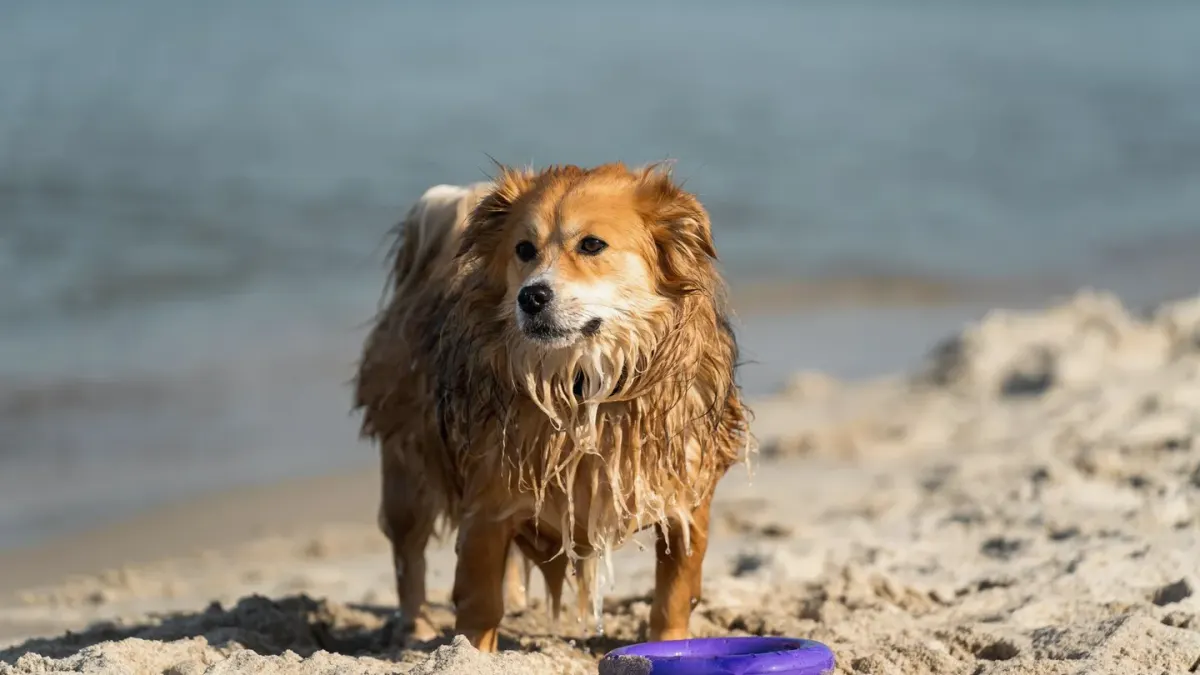
It’s 9 p.m. in the kitchen, and your 4-year-old, 48-pound pit mix noses a stuffed rubber toy, then stops and stares at you. You wiggle it, he lights up and solves it in minutes. Alone the next morning, the same toy sits untouched for two hours while he follows you room to room. You wonder if you created this dependence by helping too much, and whether stepping back will build independence or just leave him pacing. That fork — stay close and help, or withdraw to force solo play — is the decision that shapes everything below.
Should You Help or Hold Back?
Stay close and fade slowly, rather than withdrawing to force independence.
That is my recommendation after years working where neurology meets behavior, and I reach for both the imaging study and the acupuncture needle when I make it. I stay anchored to how a modality is thought to work, not what it might cure, and enrichment is thought to work by supporting agency, predictable searching, and normal nervous system regulation during calm activity. Help that is faded in small steps may help support that regulation, while abrupt withdrawal often removes the safety cue before the skill exists.
You are not spoiling him by being the start button.
Why Waiting for You Makes Neurologic Sense
Dogs are socially cued learners. The Merck Veterinary Manual describes normal canine social behavior as strongly handler-oriented, with attention, proximity, and guidance shaping how many dogs approach novel objects. When your presence predicts that food will appear and nothing scary will happen, waiting for you is logical. The brain links your hands, voice, and movement to the puzzle paying off, so the dog conserves effort until the reliable cue arrives.
The American Veterinary Society of Animal Behavior frames humane training around agency and low-stress handling, which is how I think about solo play too. A dog that will only work a puzzle with you is showing low independent agency, not disobedience. The mechanism that matters is contrafreeloading in reverse. Instead of choosing to work for food when free food exists, he chooses to wait for social help when solo work feels uncertain.
By day 10 you tried the classic advice to go cold turkey. For three weeks you set out a frozen lick mat and a puzzle feeder each morning and left for work, hoping hunger and boredom would teach your 2-year-old beagle mix to self-entertain. The camera showed the truth: twenty minutes of whining at the door, then sleep, then the food melted untouched until you returned at 6 p.m. and hand-fed the first bite to restart him. Withholding help did not build skill, it stalled the whole sequence, and evenings turned chewing into frantic gulping rather than calm searching.
That failed fade is common, and it explains why I do not recommend cold independence. If evenings already tip toward gulping, a slower mealtime setup from our guide to why dogs gulp food can help keep arousal lower while you rebuild the searching pattern.
Small, Faded Steps Toward Solo Play
Start with together, then get boring on purpose. Sit with him for the first minute while he licks or snuffles, then reduce your help in layers across days. Move from holding the toy to touching it, to sitting nearby without talking, to standing up for ten seconds and returning. Keep sessions short and easy enough that he wins without you rescuing the sequence. For toy choice, lean on simple, stable options described in enrichment toys for mental stimulation and low-pressure food puzzles from treat-dispensing toys for mealtime enrichment.
The strongest counterargument is that any help reinforces dependence and should be removed so hunger drives learning. It sounds efficient, but it misreads how this learning is thought to work. Pressure without a clear next step tends to suppress exploration and may help maintain anxious pacing rather than curious searching. Faded help keeps the nervous system in a range where learning can occur, which is why I still land on supported practice even though it takes longer.
Then there is the dog who changes the math entirely. Your 11-year-old shepherd mix, 68 pounds and stiff after lying down, still follows you to the mat but cannot paw a wobbly toy without slipping. At midnight during a thunderstorm she pants, paces, and will only lick from your hand while you sit on the floor. Pushing solo puzzles here misses how aging joints, fading vision, and noise sensitivity narrow the window for independent work. For her, staying close is not dependence, it is access, and enrichment has to shrink to low, stable licking rather than chasing or problem-solving.
This guide reflects veterinary review by Roger Clemmons, DVM, PhD, DACVIM in Neurology and Neurosurgery, CVA, CVFT, and all functional language reflects his comfort level. Enrichment may help support normal mental stimulation and calm daily routine, not fix anxiety or disease. If panting, pacing, appetite loss, or sudden refusal to play lasts more than a day or two, call your veterinarian before pushing training further.
Keep your help, then make yourself gradually unnecessary.
Frequently asked questions
Should I stop helping so my dog learns to play alone?
No. Stay for the start, then fade your hands and voice in small steps over days so solo searching still pays off.
What if my dog only chews a puzzle when I hold it?
Stabilize it another way — wedge it, use a mat, or switch to licking — then sit nearby without holding while he works.
When should I call the vet about loss of interest in enrichment?
Call if disinterest is sudden, lasts beyond a day or two, or comes with pacing, panting, appetite change, limping, or withdrawal.
Sources
- Position Statements on Humane Training — American Veterinary Society of Animal Behavior
- Normal Social Behavior in Dogs — Merck Veterinary Manual