On this page
A Staffordshire Bull Terrier will rearrange your evenings around cuddles, chew toys, and short, happy training reps. That devotion is the reason people stay loyal to the breed for life, and it is also the part most new owners underestimate.
If you are weighing what to know before getting a Staffordshire Bull Terrier, start with fit rather than photos. I counsel clients to run this checklist first, then read on for the why behind each line.
Your 6-point Staffy fit checklist
- Time together: someone home most of the day, or a solid plan for midday company and breaks
- People focus: you want a dog that shadows you from kitchen to couch
- Dog selectivity: you can accept on-leash neutrality instead of dog-park best friendships
- Training style: short positive sessions, clear boundaries, and consistent low-stress handling
- Exercise reality: daily walks plus play and sniffing, not marathon running
- Preventive baseline: weight checks, skin checks, dental care, and annual vet review
Last spring I sat at a kitchen table with two first-time owners debating between a Staffordshire Bull Terrier puppy and an older shelter Staffy mix. Their apartment was quiet, they worked staggered shifts, and they wanted a 2-year-old, 38-pound male they had met twice who leaned his whole chest into visitors for rubs and then settled on a mat with a chew by week two of foster care. The choice was not about which dog was cuter. It was whether they could give that specific people-oriented temperament the company, chewing outlets, and calm greetings it needed to stay settled when both humans were home on weekends.
People-loving, dog-selective: what that means at home
The breed standard describes courage, affection, and love of people, and in practice that reads as a Velcro dog. Many Staffies follow their person room to room, press close on the couch, and learn routines fast when rewards are clear. The American Kennel Club notes the breed’s affectionate nature with family alongside its muscular, athletic build, which helps explain why mental enrichment matters as much as walks.
Expect strength on leash, enthusiasm with toys, and a tendency to greet with full-body wiggles. Early socialization may help support confident, polite behavior around visitors, sounds, and handling. Keep greetings low-key, reward four paws on the floor, and practice brief separations with a stuffed Kong or lick mat so togetherness does not become distress when you leave.
Dog-to-dog comfort varies by individual. Some Staffies play beautifully with known friends, while others prefer people and find crowded off-leash groups overstimulating. Plan for neutrality: loose-leash skills, a reliable recall on a long line, and permission to skip the dog park. A smaller playdate often settles a shaky dog better than an hour of chaos.
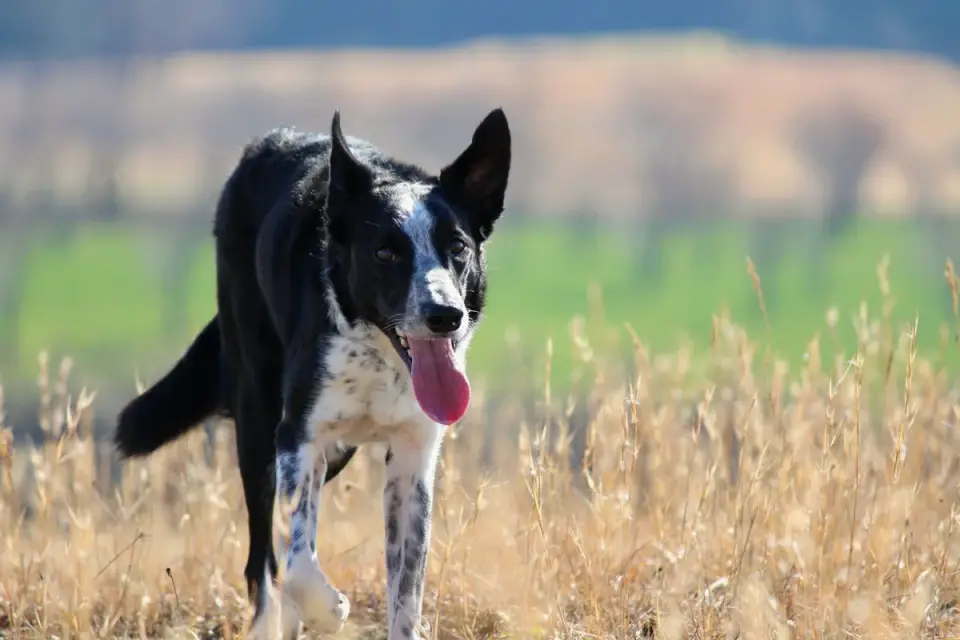
I think about a client who tried to exercise her adolescent Staffy with daily trips to a large dog park, hoping fatigue would fix jumping and leash pulling. By day 10 the pattern had flipped the other way, with harder staring at the gate, faster barking on arrival, and a longer time to settle back in the car after 45 minutes inside. We traded the park for a morning sniff walk, two five-minute training games, and one weekly walk with a single calm neighbor dog. The failed approach taught the real lesson: arousal is not exercise, and for this terrier, fewer dogs plus more structure supported calmer behavior.
That tradeoff is worth naming. If your dream is off-leash group play every weekend, a different social butterfly breed may fit better. Guidance for multi-pet homes in Best Dog Breeds for Homes That Already Have Cats makes the same point about introductions and prey drive, and it applies to terriers living with small animals. Choose slow introductions, barriers early, and supervised coexistence.
Health baseline and preventive calendar
Staffies are generally sturdy, compact dogs, yet a preventive baseline still changes how smoothly the years go. The The Kennel Club breed profile outlines size, exercise needs, and care points that help owners set realistic expectations for weight and activity. Keep that baseline in view at every annual exam.
In the exam room I watch four areas closely: skin and ears for itching or recurrent irritation, eyes and breathing comfort, knees and gait, and teeth and weight. Allergies and skin flare-ups are a common client concern across bull-type breeds, so I ask owners to track scratching, licking, ear odor, and seasonal patterns between visits. A simple log may help your veterinarian spot trends early and adjust bathing, diet review, or parasite prevention.
Structure and function support starts with the unglamorous habits. Measure food, score body condition monthly, brush teeth several times per week if tolerated, trim nails before they click loudly, and keep vaccines and parasite prevention current. Pet education resources such as VCA Animal Hospitals offer approachable breed overviews that reinforce why routine handling and early vet contact matter. Ask for a low-stress handling plan if your dog worries at the clinic.
Training, exercise, and low-stress handling that works
Keep it preventive and brief. Three five-minute sessions beat one long drill, and realistic timelines matter: polite leash walking often takes weeks of repetition, not a weekend course. Reward the behavior you want to see again, manage the environment so the wrong choice is harder, and end while your dog still wants more.
A workable week looks like daily walks with sniff breaks, tug or fetch in short bursts, food puzzles for rainy days, and one novel outing for confidence. Add alone-time practice in small doses. Many Staffies chew with enthusiasm, so offer safe chew options, rotate toys, and puppy-proof for powerful jaws.
Apartment life can work when settle skills are taught on purpose. The same settle-without-you test described in The Real Test for an Apartment Dog Isn’t Size predicts success here: can the dog rest on a mat while you cook, take calls, and come and go. Crate training, white noise, and a predictable evening wind-down may help support rest.
One edge case changed how I talk about exercise. A fit, 9-year-old, 42-pound Staffy came in for slowing on stairs and longer naps after play, and the owner worried the dog needed more conditioning to stay young. Bloodwork and an orthopedic exam pointed instead to early stiffness and extra weight, not lost drive. We shifted to two shorter walks, ramp access to the car, a firm orthopedic bed, and monthly weight checks, and by three weeks in the owner reported easier mornings and more willingness to play in short bouts. Aging terriers often need less intensity and more recovery, not a bigger challenge.
Where I land with future Staffy homes
My position is simple: choose this breed when you want deep human companionship and can commit to company, chewing outlets, and calm, consistent training. The strongest counterargument is fair, and I hear it often. Some families want an easygoing dog-park socialite or a highly independent dog that barely notices absences. A Staffy may disappoint on both counts.
I still land here because expectation first prevents most surrender calls. When owners accept selectivity with unfamiliar dogs, teach settle early, and hold a steady preventive baseline, this breed tends to reward them with remarkable loyalty and humor. If that kitchen-table picture sounds like your life, and your calendar has room for togetherness, you are likely looking at the right terrier.
For related context, read Giant-Breed Ownership: What to Know Before You Commit.
For related context, read French Bulldog vs Boston Terrier: Which Flat-Faced Breed Should You Actually Choose?.
Frequently asked questions
Are Staffordshire Bull Terriers good for first-time owners?
They can be when time and training help is in place. Expect a strong, people-focused dog that needs company, chew outlets, consistent positive training, and a plan for polite behavior around unfamiliar dogs.
How much exercise does a Staffy need?
Most do well with daily walks plus play, sniffing, and short training games. Adjust for age, weight, and joint comfort, and favor regularity over occasional intense outings.
Do Staffordshire Bull Terriers get along with other dogs?
It depends on the individual. Many are affectionate with people and selective with dogs. Teach on-leash neutrality, choose small known play groups over crowded parks, and supervise introductions.
Sources
- Staffordshire Bull Terrier Dog Breed Information — American Kennel Club
- Staffordshire Bull Terrier Breed Information — The Kennel Club