
On this page
Stacy noticed it on the evening walk in Provo — her 8-year-old neutered Cavapoo Oskar, usually picky about treats, suddenly hoovered two mouthfuls of loose garden soil and kept going back for a third.
That is the fork most owners face: was that a one-time sniff-and-taste, or the start of a pattern that needs attention?
Here is a quick way to tell which side you are on:
- One lick, then moves on: likely exploration, boredom, or an interesting smell
- Daily digging, licking, or eating soil: review diet, enrichment, and gut comfort
- Sudden change in an older dog: schedule a vet check rather than waiting it out
- Soil with fertilizer, mulch, rocks, or standing water: interrupt calmly and redirect
- Plus vomiting, diarrhea, low appetite, or weight loss: call your vet the same day
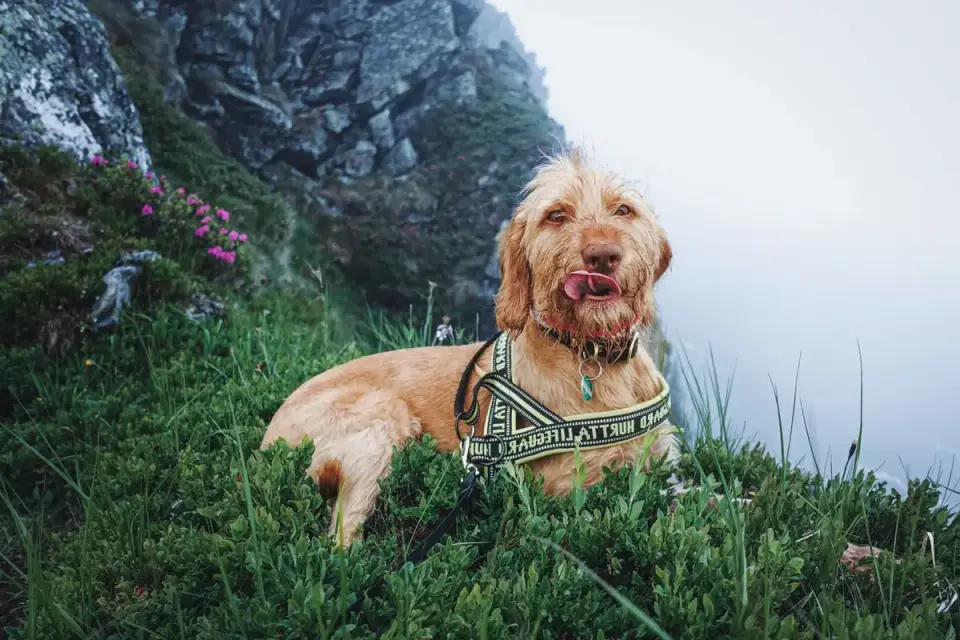
A quick check: curiosity or pattern?
Dogs explore with their mouths, and soil holds smells from other animals, food scraps, and moisture. A single taste on a walk is usually harmless curiosity.
That pattern matters more than the mouthful itself.
Vets often see the worry shift when the behavior repeats. Eating dirt most days, seeking it out on every walk, or eating larger amounts can reflect pica — the persistent eating of non-food items — which VCA Hospitals describes as linked to medical, nutritional, and behavioral causes.
Why dirt looks interesting to a dog
Smell comes first. Damp earth, compost, fallen fruit, and places where other dogs have marked all read as information. Puppies and young adults tend to sample more, while seniors may develop a new habit when routine, senses, or digestion change.
Boredom and anxiety play a role too. A dog left alone in the yard with little to do may dig and taste soil the way another dog chews a throw pillow. Hunger can add pull, especially if meals are spaced far apart or a new food leaves the dog less satisfied.
From a neurology-plus-whole-body view, I think about input and comfort together. Nose and gut signals drive seeking, while stress, nausea, or an unsettled belly lowers the threshold for odd appetites. Supporting calm routine, steady nutrition, and gut comfort may help support normal appetite and settle some of that seeking.
Learn what truly dangerous tastes look like too. Onion scraps in compost or garden beds are never safe, as explained in Can Dogs Eat Onions? Why Vets Say No, Every Time, and rich, fatty food waste can upset a sensitive stomach the way Can Dogs Eat Avocado? What’s Actually Safe (and What Isn’t) describes for high-fat foods.
When to review diet and call your vet
Occasional dirt eating is usually harmless curiosity, but a sudden or constant habit is a reason to review the diet and talk to a vet. That is the line I hold for Oskar and for dogs like him.
Check the basics first: is the food complete and balanced for life stage, has the amount or brand changed recently, and has weight drifted up or down? Bring the bag or a photo of the label, plus notes on treats, table scraps, and any mulch or fertilizer your dog could reach.
The ASPCA notes that compulsive behaviors in dogs, including persistent pica, deserve a medical workup before training alone. In practice, that often means a physical exam, diet history, fecal check, and bloodwork to look for anemia, GI issues, or other causes of altered appetite.
Call sooner if dirt eating comes with vomiting, diarrhea, coughing, lethargy, pale gums, loss of appetite, or belly pain. Soil treated with cocoa mulch, bone meal, pesticides, or fertilizer, and soil with rocks or sticks, also raises the risk for blockage or toxicity.
Small, steady steps for the next two weeks
Keep the plan boring and doable. Walk Oskar on a short leash past the garden bed for 14 days, offer a sniff toy or scatter-fed kibble before yard time, and keep fresh water and a set meal schedule.
Interrupt with a cheerful trade, not a chase. A “leave it,” a tossed treat a few feet away, and praise for turning toward you teaches more than scolding after the swallow. Rinse muddy paws, watch stools, and jot down how often the seeking happens.
If safe swaps help, plain produce treats given in small amounts can redirect mouthy interest — Can Dogs Eat Apples? A Neurologist’s Take on the Fork, the Core, and the Seeds and Can Dogs Eat Bananas? A Vet Nutritionist’s Honest Answer lay out sensible portions and when to skip. If the habit fades, you have your answer. If daily seeking holds past two weeks, keep that vet visit.
Frequently asked questions
Is it normal for dogs to eat a little dirt?
A single lick on a walk is common curiosity. Daily eating, larger amounts, or a sudden new habit in an adult dog should prompt a diet review and vet check.
Can eating dirt mean my dog is missing nutrients?
It can sometimes reflect hunger, an unbalanced diet, anemia, or GI upset, but boredom and smell alone also drive it. Track frequency and bring a diet history to your vet.
How do I stop my dog from eating dirt?
Manage access, use a short leash near garden beds, trade for a treat with a leave-it cue, add enrichment before yard time, and call your vet if the pattern lasts more than two weeks or comes with vomiting or diarrhea.
Sources
- Pica in Dogs — VCA Hospitals
- Common Dog Behavior Issues — ASPCA