On this page
A soft toy earns its place when a dog carries it gently to bed, not when he tries to gut it in four minutes.
So which kind of soft is your dog — a carrier, a nuzzler, or a shredder?
That distinction matters more than fabric or shape. Dogs develop distinct oral motor patterns: carry and suckle, dissect and shake, or sustained chew. Nutrition and rehabilitation work shows the same principle as diet — what a supplement or a tool can realistically do depends on the physiology in front of you. A plush comfort object may help support calm settling for a carrier, but it cannot change the motor pattern of a dedicated shredder.
Vickie in Richmond learned this with Buffy, her 7-year-old spayed Shetland Sheepdog. Buffy would collect one small fleece lamb, carry it to her crate each night for three weeks straight, and knead it before sleep. When Vickie swapped in a larger toy with long ribbon tags, Buffy started worrying the tags and pulling stuffing within 20 minutes. The first toy matched her pattern. The second invited dissection.
Suckling, carrying, and soft mouthing are low-arousal behaviors often retained from puppyhood. They pair with slower breathing and settling on a bed, which is why comfort toys tend to work best as part of an evening routine rather than as daytime entertainment. Guidance from the American Veterinary Medical Association emphasizes matching toy type to chewing style and supervising play, removing damaged toys before pieces can be swallowed.
Pick the mouth first, then the toy
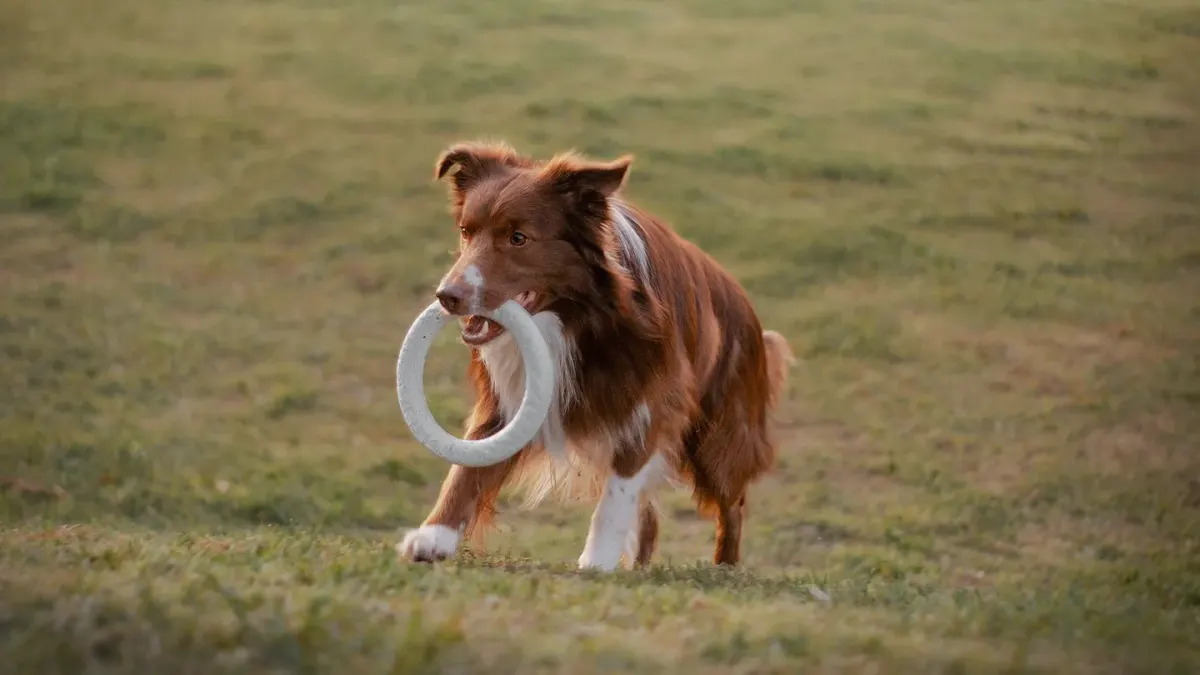
Watch for two evenings before you shop. Does your dog lick and nose the toy into place, carry it without biting down, or fall asleep with chin resting on it? That dog is a candidate for plush.
Does he pin it, shake hard, work seams with back teeth, or pull until he hears tearing? That dog needs a different category.
This fork saves more money and vet visits than any brand choice.
What soft actually means for safety
Soft covers very different constructions. Flat, unstuffed fleece shapes leave little to swallow if opened. Lightly stuffed plush with embroidered eyes and no hard plastic nose presents fewer detachable parts. Toys with long loops, strings, glued-on eyes, or thin squeakers sewn just under fabric invite removal.
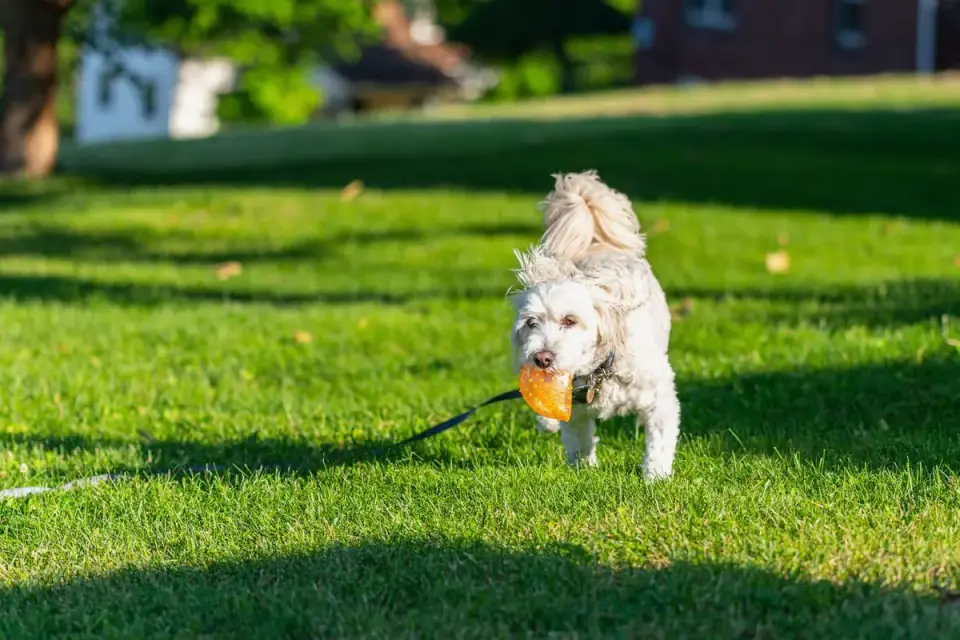
Size and seam strength matter more than softness rating. A toy a dog can fit entirely in the mouth encourages chewing and swallowing attempts. A toy slightly too large to mouth fully encourages carrying. Look for tight, double-stitched seams, embroidery rather than plastic parts, and fill that is not beaded foam.
Supervision is not optional here.
Plush is for interactive cuddling and settling, not solo destruction. If stuffing appears, trade for a treat and retire the toy.
How to use plush for calm, not chaos
Keep it boring on purpose.
Bring the comfort toy out at the same low-energy time — after the last walk, during crate wind-down, during thunderstorm settling. Let the dog carry, arrange, and nest with it. Put it away during high-arousal play. That pairing preserves the association with rest.
Washing matters too, since mouth-carried toys collect saliva and dirt. A regular cleaning routine keeps the comfort object inviting without replacing it constantly, as outlined in Can You Wash Dog Toys in the Washing Machine? A Vet’s Honest Fork-in-the-Road.
For dogs who need very quiet nights in close quarters, pairing one comfort plush with low-noise mental work often settles better than a basket of toys, a pattern also seen in Best Toys for Apartment Dogs with Limited Space and Enrichment Toys for Mental Stimulation: What Actually Helps a Bored Dog.
Dogs with persistent nighttime anxiety, pacing, or panic around noise need more than a toy. Separation-related behaviors and noise fears often require desensitization, routine changes, and veterinary input, as described in resources like Separation Anxiety in Dogs from the American Kennel Club. A soft toy may help support settling within that plan, not replace it.
Where I land, and what would change my mind
I recommend one or two simple, correctly sized plush carriers for gentle nuzzlers and carriers — flat or lightly stuffed, embroidered details, no strings — used supervised for cuddling and sleep routines. For small mouths, the same logic applies on a smaller scale, which is why fit is the first filter in Best Toys for Small-Breed and Toy Dogs.
I do not recommend plush as chew toys, teething toys, or leave-alone toys for shredders, power chewers, or unsupervised dogs.
What would change that view? Controlled evidence that a specific plush construction reliably withstands sustained dissection without ingestion risk, plus nutritional and behavioral data showing it maintains calm without increasing arousal. The current evidence does not show that — which is why supervision and matching the toy to the mouth remain the recommendation.
Could one well-chosen lamb be the thing that tells your dog the night is safe to rest?
Frequently asked questions
Are soft toys safe to leave with a dog overnight?
For most dogs, no. Keep plush for supervised cuddling and remove it if seams loosen or stuffing shows, then trade for a treat.
What kind of soft toy is best for a gentle dog?
A slightly oversized, flat or lightly stuffed toy with embroidered eyes and tight seams encourages carrying rather than chewing.
My dog destroys every plush in minutes — should I keep trying?
No. That dissecting pattern means plush is the wrong category. Choose rubber, rope for supervised tugging, or puzzle feeding instead and save plush for dogs who carry gently.
Sources
- Pet Care Resources — American Veterinary Medical Association
- Separation Anxiety in Dogs — American Kennel Club