On this page
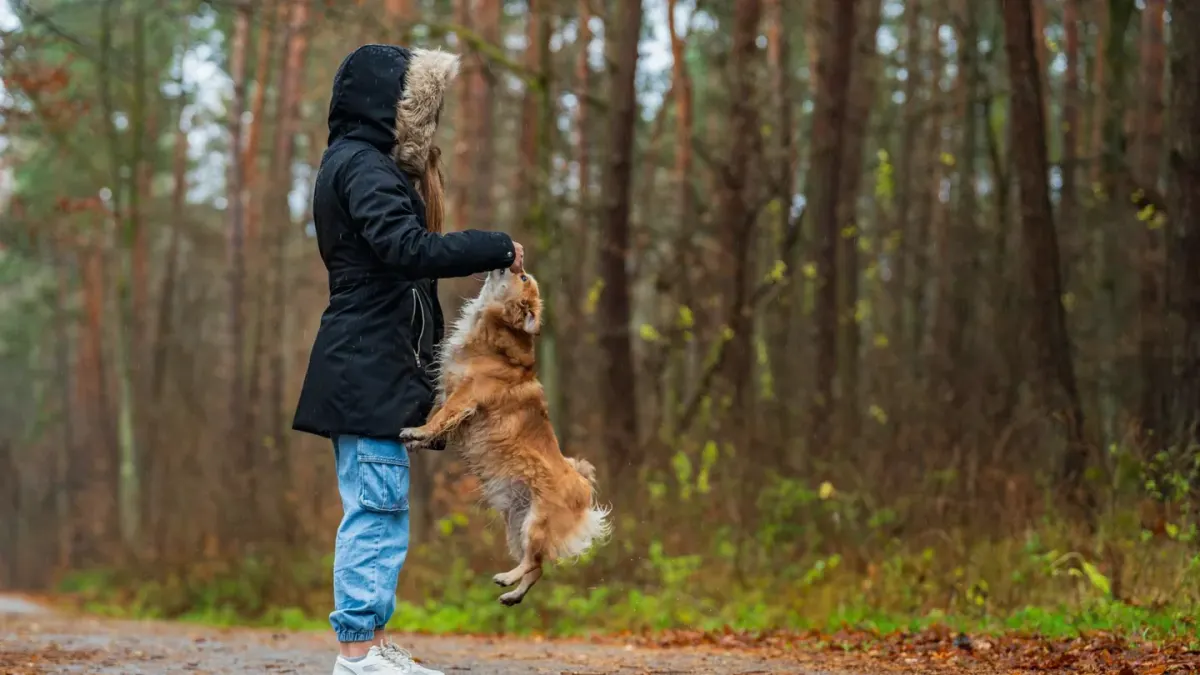
Your 3-year-old Border Collie, 42 pounds, locks onto the kids’ bikes every afternoon and you have to decide in the driveway: do you correct the chase or give it a job? I watch owners try to tire that eye-and-stalk loop with plain fetch, and the dog comes back panting but still wired. Give the same dog a flirt pole for two five-minute rounds with a down-stay between chases, and by three weeks in the bike lunging drops because the sequence has a start, a chase, and a stop you control.
Decide first: steer the chase or stop it?
Stand where the chasing happens and pick your path. If your dog nips heels, circles guests, or fixates on joggers, you don’t need more running. You need a toy that lets you cue the start, direct the middle, and call the finish.
Do this order. Pick one open space with good footing. Choose one movement toy. Keep sessions to 5-10 minutes. End with sniffing or a food scatter. Rest. That structure matters more than the brand on the package.
Herding breeds were selected for sustained visual focus and motion sensitivity, which the American Kennel Club describes in its herding group background. You won’t train that wiring out with scolding alone.
Give the instinct a legal target.
What herding chase actually needs from a toy
A herding sequence wants to see, follow, gather, and hold. Plain tossing often feeds only the run part. Look for toys that complete more of the loop.
Reach for push. Large, sturdy herding balls and treibball-style balls let a dog shoulder, nose, and drive an object without shaking or dissecting it. Use them on grass, not slick floors.
Reach for regulated tug and grip. A flirt pole with a rope lure, a long tug with handles, or a durable rope toy lets you drag in arcs, pause, and ask for a drop. Keep your hands clear and keep tugs low to protect necks.
Skip endless motion with no catch. Laser pointers and frantic hallway fetch raise arousal and leave nothing to hold. Play researchers and clinicians note that unstructured chase without a consummatory endpoint can leave dogs frustrated rather than settled, a pattern reviewed in material on VCA Hospitals.
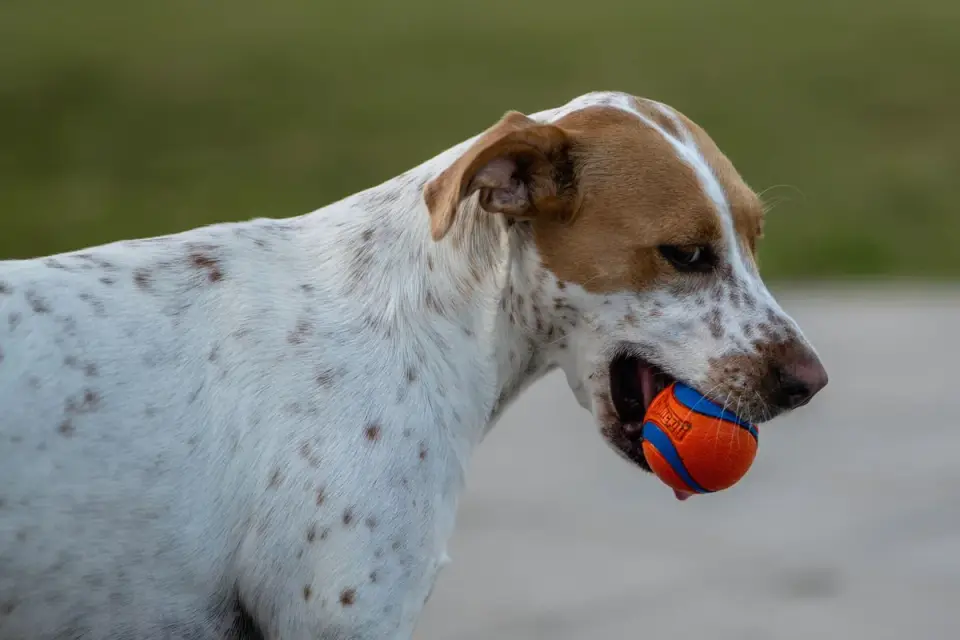
One 5-year-old Australian Shepherd, 58 pounds, came to me rehearsing a tight spin after a month of hallway laser play, and by day 10 the owner reported more barking at headlights, not less. The laser gave motion with no grip and no end, so arousal had nowhere to land. We swapped to a large herding ball in the yard for short pushes, paired with a food scatter to close the loop. The spinning did not vanish overnight, but the dog could finally disengage when cued because the body got to push, grab, and settle.
If you live tight on space, borrow ideas from Best Toys for Apartment Dogs with Limited Space and keep herding games low and quiet. For small herders, size down every diameter and handle using Best Toys for Small-Breed and Toy Dogs.
Build the rotation: movement, grip, and settle
Run a three-part week. You’ll need less gear than you think.
Start with two movement days. Use the flirt pole or herding ball for two short rounds. Ask for a sit, release to chase, then call off and reward the check-in. Keep the lure low and wide. Stop while the dog still wants more.
Add one grip-and-think day. Use tug with rules, then a puzzle feeder from Enrichment Toys for Mental Stimulation: What Actually Helps a Bored Dog. Teach drop, wait for eye contact, then restart. If teeth slip to hands or sleeves, the game ends calmly.
Close every session the same way. Toss a handful of kibble in grass for a 60-second sniff. Offer water. Crate or mat for ten quiet minutes. That settle phase teaches the nervous system that chase turns off.
Wash rope and fabric lures often, and check stitching before each use with guidance from Can You Wash Dog Toys in the Washing Machine? A Vet’s Honest Fork-in-the-Road. Retire frayed ropes. Supervise flirt-pole and tug play and store the lure out of reach.
Where I land on food, joints, and recovery work
High-drive herding dogs eat like athletes and I weigh supplements the same way I weigh rations: what can food realistically cover, and what may help support recovery around it. A complete and balanced diet matched to life stage and activity does most of the work for muscle, coat, and stamina. For the sore-after-weekend dog, marine omega-3s and joint-support nutrients may help support normal joint comfort and recovery as part of a rehab and rest plan, not as a fix for overtraining.
The strongest counterargument says don’t feed the chase at all, that any herding-style toy rehearses nipping and circling. I respect that concern for dogs with bite history.
I still recommend controlled herding outlets because suppression alone leaves arousal with nowhere to go. When you control access, duration, and the stop cue, you get cleaner off-switches in the kitchen and on the walk.
A 9-year-old Shetland Sheepdog mix, 28 pounds, loved to herd but slipped on hard floors after two minutes of chasing and needed a different plan. She still eyed ankles in the kitchen, yet long sprints left her stiff the next morning. We moved herding games to carpet for three short rounds, used a soft push toy she could nose instead of chase, and added sniff breaks between reps. By day 14 she settled faster after dinner because the instinct got a low-impact outlet that matched aging joints.
Pick one steerable toy, train the stop, and let rest do its quiet work.
Frequently asked questions
Are flirt poles safe for herding breeds?
Yes for most adult dogs when you keep chases short, keep the lure low, use good footing, and build in drops and rest breaks. Skip tight spins and high jumps, and stop if the dog gets frantic or sore.
Why does my dog get more wired after fetch?
Repetitive throwing without pauses builds arousal with no clear end. Try fewer reps, add a wait between throws, and finish with sniffing or a food scatter. Ideas in [Best Fetch Toys for Dogs: How to Choose Balls, Bumpers, and Launchers](/articles/fetch-toys-balls-bumpers-and-launchers/) can help you reset the pattern.
What if my dog herds kids or other pets?
Manage the environment first with gates and leashes, then give a daily legal outlet like a herding ball or structured tug. Reward disengaging and resting. Get in-person help if there is nipping, lunging, or guarding.
Sources
- Herding Group — American Kennel Club