On a heavy August afternoon, a cool lick mat can settle panting faster than another walk around the block.
What kind of heat restlessness are you seeing. That question shapes everything that follows.
If your dog is panting, trailing you room to room, and unable to settle, start with licking and sniffing indoors. If you see thick drool, wobbly steps, vomiting, or gums that look brick red or pale, skip the puzzle and cool actively while you call your veterinarian. The American Veterinary Medical Association notes that dogs cool mainly by panting and are vulnerable when heat and humidity rise, which is why shade, water, and indoor rest matter more than any treat.
Pick licking or crunching first
Licking suits worried, older, or sore-mouthed dogs. Crunching suits young, busy dogs who need to chew.
For lickers, spread a thin layer of plain low-sodium broth, plain pumpkin puree, or plain yogurt on a silicone mat or in a muffin tin and freeze for two to three hours. For crunchers, freeze water with a few blueberries, green beans, or small pieces of banana in a rubber puzzle toy or paper cup. Keep layers thin so the work stays gentle.
Offer the puzzle on a towel in a cool room. Stay nearby. Take it up after 15 to 20 minutes, rinse, and rest.
Small dogs and seniors do best with short sessions.
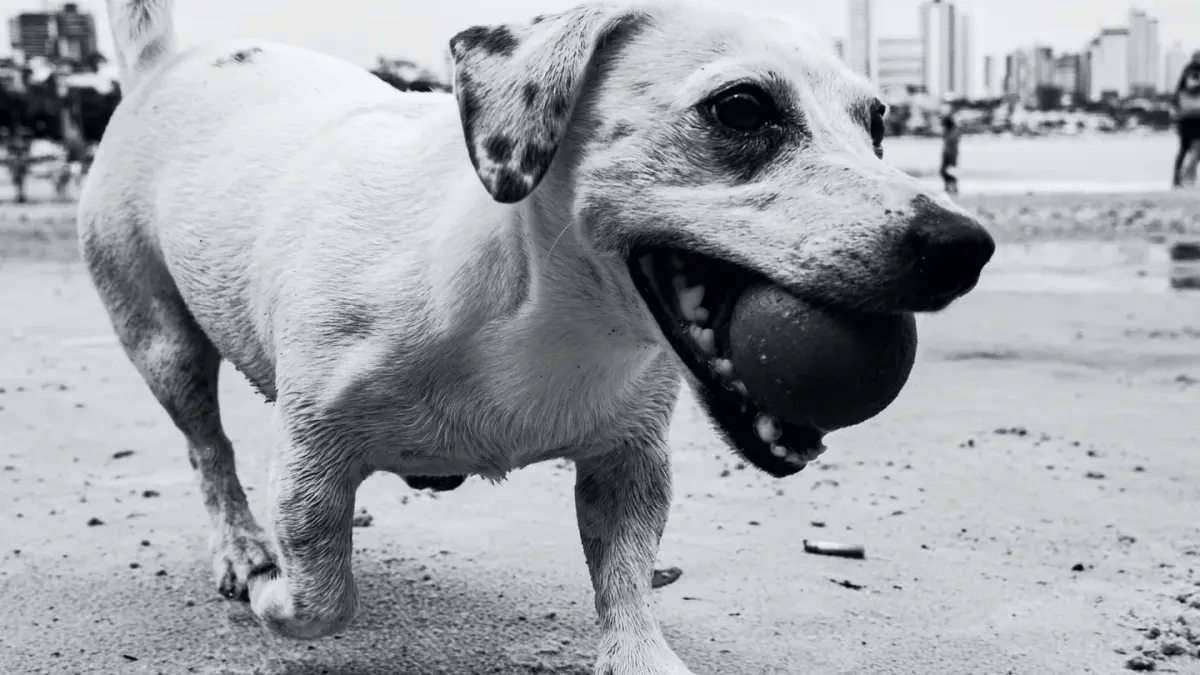
Sharon learned this with Nika, her 10-year-old spayed Jack Russell Terrier in Elizabeth. Nika would pace the kitchen and whine by 3 p.m. on humid days, then refuse her bed. Sharon started freezing a washcloth-wrapped rubber toy stuffed with soaked kibble and a spoon of pumpkin for four hours, served for 12 minutes on the tile floor. Nika licked, sighed, and slept.
Build seven puzzles from what is already in the kitchen
Use foods your dog already tolerates. Introduce one new food at a time in a small amount. Avoid grapes, raisins, onions, garlic, macadamia nuts, alcohol, and anything sweetened with xylitol, also labeled birch sugar. The U.S. Food and Drug Administration warns that xylitol can cause a rapid insulin release and liver injury in dogs, so check peanut butter and sugar-free yogurt labels every time.
- Broth ice cubes. Freeze low-sodium, onion-free broth in an ice tray. Serve two to three cubes in a bowl.
- Kibble popsicle. Soak a quarter-cup of dinner kibble in water, pour into a paper cup, freeze until slushy, add a carrot stick for a handle, then freeze solid. Peel the cup.
- Lick-mat stripes. Stripe pumpkin, yogurt, and mashed banana across a mat. Freeze flat.
- Muffin-tin search. Place a blueberry or green bean in each cup, cover with water or diluted broth, freeze, then let your dog nose each cup.
- Stuffed rubber toy. Plug the small hole with peanut butter, fill with soaked kibble, seal with yogurt, freeze upright overnight.
- Watermelon crunch. Freeze seedless watermelon chunks, rind removed, and serve a few pieces on a plate for supervised crunching.
- Towel roll. Scatter kibble in a damp hand towel, roll loosely, freeze for one hour, then let your dog unroll and sniff.
When onions are on the counter for your own dinner, keep them far from these puzzles. Can Dogs Eat Onions? Why Vets Say No, Every Time explains why even small amounts of onion and garlic powders in broth can be a problem.
When frozen puzzles are the wrong comfort
Frozen work is not right for every dog.
Dogs with missing teeth, mouth pain, a history of gulping ice, or stomach upset from cold food may do better with a room-temperature Treat-Dispensing Toys for Mealtime Enrichment: A Vet’s Field Guide and a cool resting spot. Dogs with noise fear or night waking often need comfort more than food, and a short sniff walk plus a quiet routine may help maintain calm better than a long chew. You can read more in The 5 Best Calming Supplements for Dogs, Reviewed by a Vet (2026).
Vets often see heat illness move quickly in brachycephalic breeds, puppies, seniors, and dogs with heart or airway disease. The VCA Hospitals guidance describes heavy panting, drooling, red gums, vomiting, and collapse as warning signs that need prompt cooling and veterinary care, not enrichment.
For comfort, frozen puzzles may help support settled behavior on a hot day. They do not treat heatstroke.
Keep the goal small. Cool mouth, busy nose, quiet house.
Frequently asked questions
How long should a frozen puzzle last?
Aim for 10 to 20 minutes, then take it up and let your dog rest in a cool spot with water. Longer chewing can upset sensitive stomachs or sore mouths.
Can I use peanut butter in frozen dog puzzles?
Yes if it contains only peanuts and salt, with no xylitol or birch sugar. Use a thin smear, freeze it inside a toy, and watch for loose stool when trying a new food.
What is the safest way to cool a dog on a hot day?
Move indoors to shade and airflow, offer cool water, and wet paw pads and belly with cool water. If panting does not ease or you see vomiting, wobble, or collapse, call your veterinarian right away.
Sources
- Warm Weather Pet Safety — American Veterinary Medical Association
- Paws Off Xylitol; It's Dangerous for Dogs — U.S. Food and Drug Administration
- Heat Stroke in Dogs — VCA Hospitals