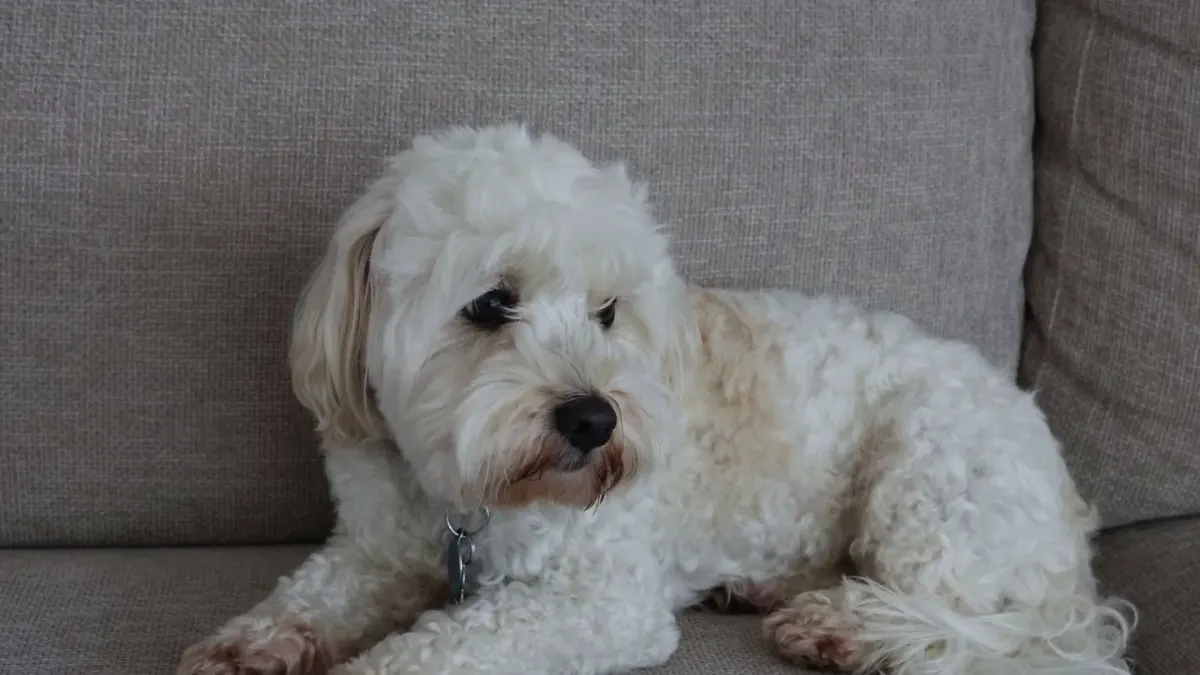
Cool water, clean skin, and a quick look for fleas or a sore spot calm itching faster than any chew or spray.
Vets often see the same midnight loop. The nails start around 11 p.m., the collar jingles, then the chewing starts again. You want something that works now, not in three weeks. In structure/function terms, I think about itch support this way: settle the skin surface, protect the barrier underneath, then find what keeps triggering the cycle.
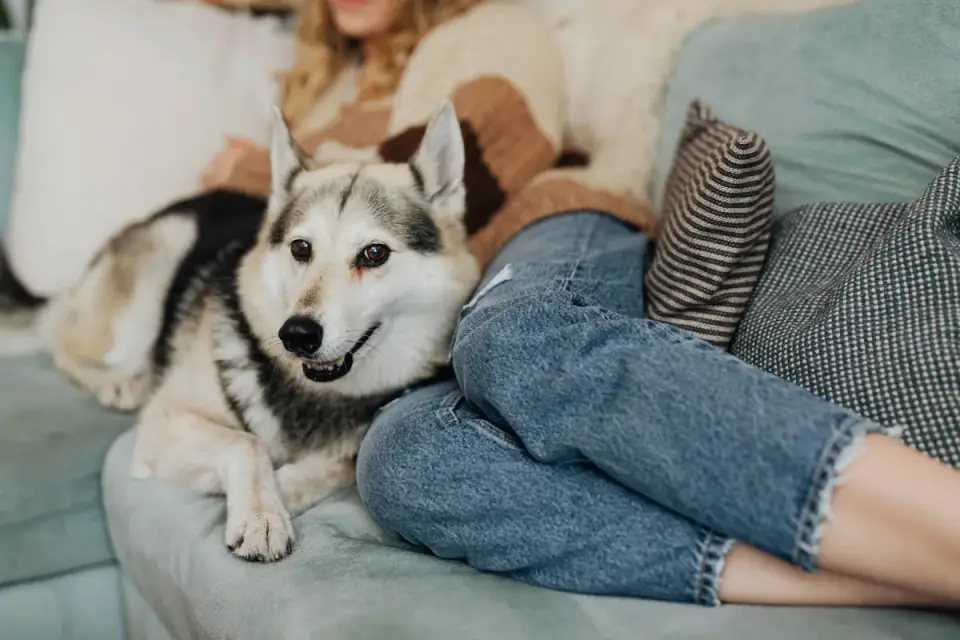
Is this fleas, a hot spot, or all-over itching?
Start here, because speed depends on pattern.
Fleas and flea dirt around the tail base, belly, or back legs point toward flea-related itch. One moist, red, painful patch that appeared fast points toward a hot spot. Widespread licking of paws, rubbing the face, or scratching ears and armpits through seasons points more toward allergy-type itch.
Kelli in Clovis noticed it with Pico, her 8-year-old neutered male Australian Cattle Dog. He licked both front paws for about 20 minutes after evening walks, then slept, then started again near 2 a.m. That repeating paw focus and nighttime timing helped her stop chasing one spray and instead check feet, bedding, and flea prevention first.
If you see swelling of the face, hives, trouble breathing, deep cuts, bleeding, pus, a strong odor, hair loss with crusts, or a dog that cannot stop to eat or sleep, skip home steps and call your veterinarian now. Guidance from Cornell University College of Veterinary Medicine describes atopic dermatitis as a long-term allergy pattern that needs a plan, not just a one-night fix.
What may help the skin feel better tonight?
Think cool, gentle, and brief.
A lukewarm to cool rinse can remove pollen and dust after walks. Pat dry, especially between toes, and keep the area clean and dry afterward. A cool damp cloth for a few minutes on a mildly irritated spot may help support comfort while you watch.
Trim nails, wash bedding in unscented detergent, and vacuum resting spots. Stop the lick-chew loop with a cone or suit if your dog is creating a raw spot, rather than letting him worry it all night.
What slows healing? Hot baths, scented shampoos, essential oils, apple cider vinegar on open skin, heavy ointments that trap heat, and repeated antihistamine or steroid dosing on your own. The overview of itching causes from VCA Hospitals is a useful reminder that itching has many drivers, so one product rarely fits every dog.
Calm matters too.
An itchy dog sleeps lightly. Keep lights low, keep your voice low, and offer the same bed in the same spot. If nighttime restlessness is part of the pattern, our guide to Dog Calming Chews: What Actually Helps a Nervous Dog Settle walks through routines that may help support settling, and Melatonin for Dogs: What It Actually Regulates, and Where the Evidence Runs Out explains where that evidence stops.
Why do fast fixes fade without a cause check?
Because surface comfort does not change the trigger.
Prescription itch care from your veterinarian works faster and more predictably than over-the-counter options when allergy, infection, mites, or fleas are driving the signs. Your vet may check skin scrapings, cytology, ear swabs, or flea control history, then match treatment to cause. That visit is the real speed step.
So where do I land for Pico-type itching?
Cool the skin tonight. Protect it from chewing. Write down where he itches, when it peaks, and what changed in food, walks, bedding, or flea prevention in the past two weeks. Then bring that note to your vet within a day or two, sooner if skin is broken, smelly, or spreading.
Could a calming chew stop the itch by itself? In my experience, no. It may help support maintaining a calmer evening routine, which helps a dog rest between itch flares, but it does not maintain skin barrier function or resolve fleas or infection.
What should you ask at the visit? Which pattern fits my dog, what skin check do we need first, and what home rinse and recheck timeline makes sense for his age and coat?
Frequently asked questions
What works fastest for dog itching at home?
A cool rinse to remove allergens, drying paws well, flea checking, and blocking chewing often bring the quickest comfort while you arrange vet care for the cause.
Should I bathe an itchy dog in hot water?
No. Use lukewarm to cool water and a gentle, dog-safe cleanser only as directed, then pat dry. Hot water and scented products can irritate skin further.
When should an itchy dog see a vet quickly?
Seek prompt care for face swelling, hives, trouble breathing, open sores, pus, odor, rapid hair loss, ear pain, or itching that prevents eating or sleep.
Sources
- Atopic Dermatitis (Atopy) in Dogs — Cornell University College of Veterinary Medicine
- Itching and Scratching in Dogs — VCA Hospitals