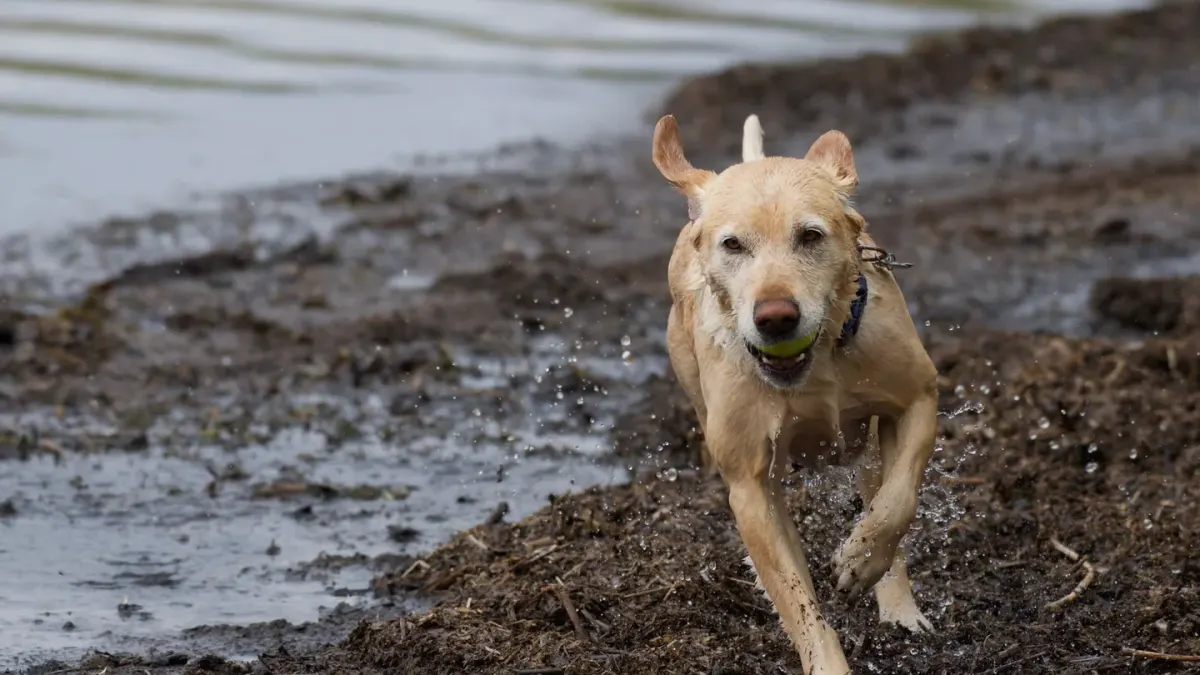
On this page
Dillon, a 6-year-old neutered male Border Terrier, waits in the hallway in Waterbury while his owner Juan reheats dinner, and twice that week he nosed a rubber ball back toward Juan from about 12 feet away without being asked. That small loop — nudge, roll, chase, rest — is the whole test for this category. A self-fetch toy gives low-energy, older, or home-alone dogs gentle independent play, but from a nutrition and rehab view I weigh what such a toy can realistically do for daily movement and recovery, and it only earns its place if the dog finds it rewarding without you.
Will your dog play when you leave the room?
Most fetch depends on you. Self-fetch depends on the dog choosing to restart the game alone, which is why I start with temperament, not product shape.
Good candidates nudge objects with nose or paw, carry a ball for a few steps, or stay engaged with food puzzles for five minutes or more. Dogs that only chase when you wind up and throw, then drop it and walk away, rarely convert to solo play.
In practice, vets often see older dogs do best with short, flat rolling rather than bouncing or long retrieves. That keeps joint load low and lets the dog pause, sniff, and re-engage, which matters more for mobility and recovery than total distance covered.
If your dog ignores a rolling ball across three brief sessions on different days, believe that answer. Independent play cannot be coached into a dog that finds it dull.
Which type matches a calm, older, or solo dog?
Think in three functional types, not brands.
Roll-back and ramp balls return along the floor after a nose-push. They suit stiff seniors and small spaces because the dog controls pace and distance.
Treat-dispensing rollers pair movement with food reward. From a food-therapy view, I weigh what that small calorie addition can realistically do for diet balance, and for picky or low-drive dogs the food often supplies the reason to push again. Measure those treats into daily intake rather than adding on top.
Stationary tugs, soft bumpers, and short hallway rollers work for dogs that like to grab and shake but tire quickly. Keep sessions to five to ten minutes, on carpet or rug, with water nearby.
For sizing and material trade-offs, compare with Best Fetch Toys for Dogs: How to Choose Balls, Bumpers, and Launchers and, if space is tight, Best Toys for Apartment Dogs with Limited Space.
The American Veterinary Medical Association advises choosing toys sized to prevent swallowing and checking them for torn parts and exposed squeakers, which is especially relevant here because solo toys get chewed out of sight.
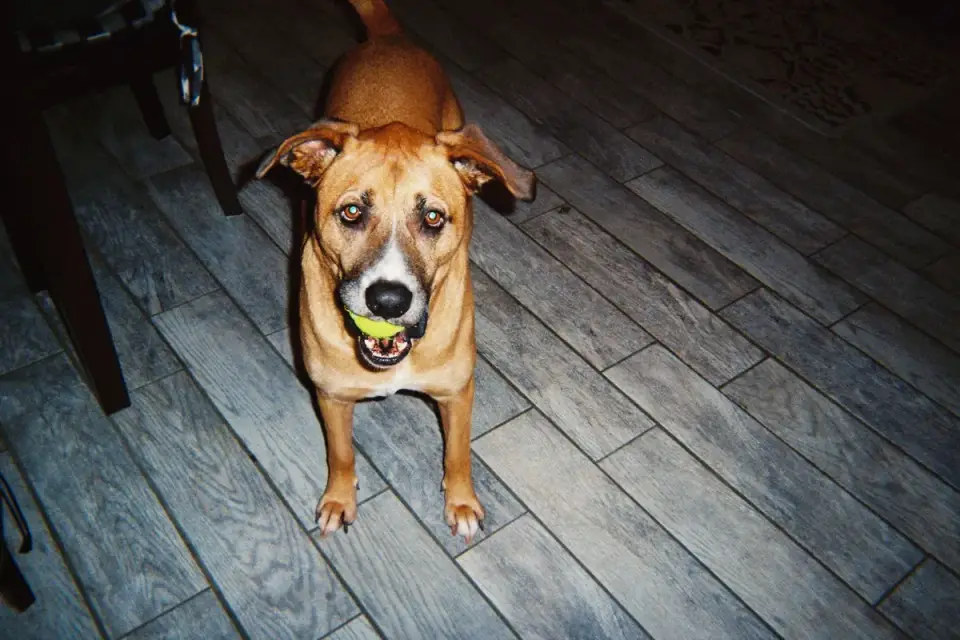
How do you test reward value in one week?
Run a plain test before you keep anything.
Day one to two: place the roller on the floor and let the dog investigate. Reward any nose touch or paw push with a calm word, then stop after three minutes.
Day three to five: load a tiny food reward if the design allows it, or smear a thin taste on a non-food roller to spark interest. Watch whether the dog pushes it a second time without prompting.
Day six to seven: step three feet back, then briefly out of sight. A keeper toy gets two to three voluntary pushes in five minutes.
Stop the test if chewing turns hard, if pieces flake off, or if the dog guards the toy. That tells you the fit is wrong.
Enrichment guidance from the Cornell University College of Veterinary Medicine frames this well: rotate novel, safe objects and social interaction to maintain interest, rather than leaving one toy down until boredom or destruction sets in.
Supervise early sessions and size up rather than down.
When should you skip self-fetch tonight?
Skip it for resource guarders, hard chewers who de-stuff or crack rubber, dogs with sore mouths, and any dog that pants, limps, or paces after two rolls.
Late-night anxiety, thunderstorm shaking, and night waking call for settling routines and contact, not solo chasing. Choose rest, a short potty walk, and a quiet mat instead.
If fixation is the pattern — same ball, same corner, no disengagement — read Is It Normal for a Dog to Fixate on One Toy? before adding a toy that rewards repetition.
For Juan and Dillon, the keeper was a low, soft roller that traveled a few feet and stopped. Less chase, more choice.
Frequently asked questions
What is a good self-fetch toy for dogs that are older?
A low, soft roller that moves a few feet on hard floors or low carpet, sized so it cannot be swallowed, and interesting enough that the dog pushes it 2-3 times without prompting.
How long should a senior dog play alone with a self-fetch toy?
Keep solo bouts to 5-10 minutes, on a non-slip surface, then pick the toy up. Stop sooner for limping, heavy panting, or hard chewing.
Are treat balls okay every day?
Yes if you count the calories in daily intake. Use tiny pieces, rotate the toy to hold interest, and inspect it for cracks or missing parts.
Sources
- Selecting Safe Toys for Pets — American Veterinary Medical Association