On this page
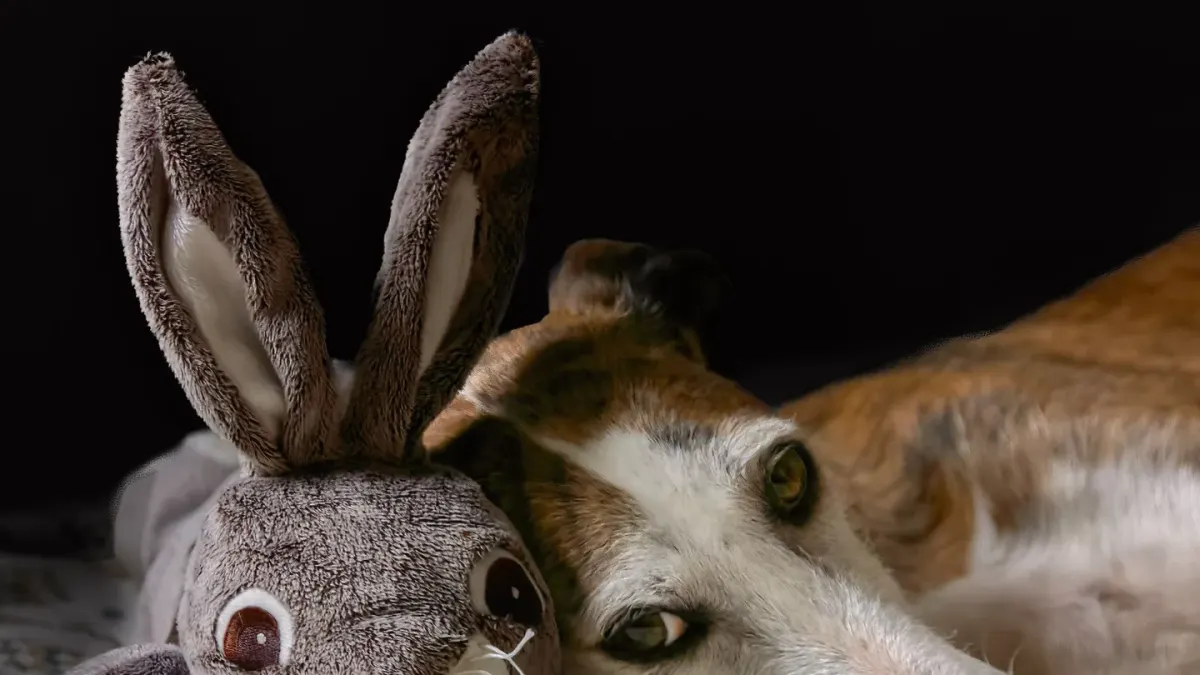
Should you worry the first time your dog drags one ragged toy everywhere and leaves the rest of the toy box untouched? Usually not. In my clinical experience, this is one of the most common “is this normal” questions owners bring up almost in passing — often at the tail end of a wellness visit, right after they’ve mentioned something else entirely.
The short answer: a strong preference for a single toy is, on its own, ordinary dog behavior. It becomes worth a closer look only when it’s paired with guarding, anxiety, or a sudden change in a dog who never used to care.
What’s actually driving the attachment
Dogs experience the world nose-first, and a favorite toy usually smells like something specific — the dog’s own scent laid down over weeks of chewing and carrying, or a family member’s scent absorbed through handling. A 2024 study in Applied Animal Behaviour Science tested shelter dogs’ preferences among scented and unscented toys and found that scent meaningfully shaped which toys dogs engaged with, though interest in a given scent could fade with repeated exposure — a habituation pattern that lines up with what I see in practice: a toy stays “the one” until its scent profile shifts enough, whether from a wash, a long stretch outside, or simple wear.
Texture and shape matter too, but I’d caution against overreading this as pure instinct. It’s tempting to frame every fixation as leftover prey drive — the squeak mimicking a small animal, the shape triggering a chase-and-carry sequence — and there’s some truth to that. But learning plays just as large a role. A toy that was present during a calm nap, a good game of tug with a favorite person, or a stressful vet-visit day tends to get reinforced through simple association, the same way a comfort object works for a child. Neither explanation needs the other to be wrong; they usually operate together.
Breed and developmental stage shape this too. Research describing the NCBI/PMC: ontogeny of object play across three dog breeds found real differences in how puppies engaged with toys as they matured, which tracks with something I tell owners often: a two-year-old fixation and a twelve-week-old puppy’s toy obsession are not really the same phenomenon, even if they look similar on the surface.
The dog I keep thinking about
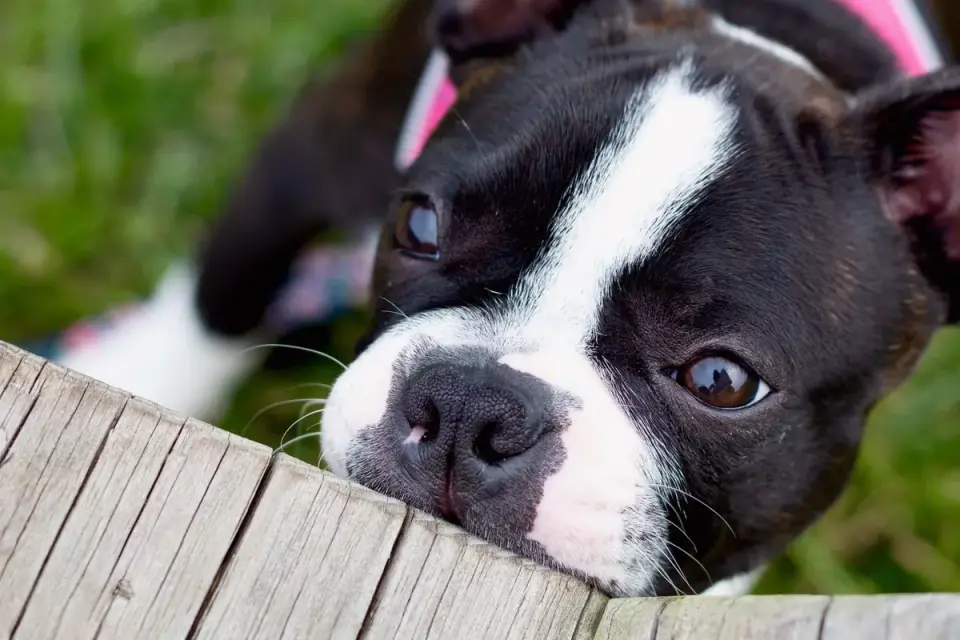
A four-year-old Cavalier King Charles Spaniel mix I worked with, about 16 pounds, had one flattened tennis-ball-shaped plush that her owner had bought from a bargain bin two years earlier — dozens of nicer toys sat untouched in a basket by the door. The owner’s worry wasn’t the fixation itself; it was that the dog had started growling softly when the family’s older kid reached for the toy during a game, something that had never happened before. We talked through the timeline: nothing else had changed at home, no new pet, no move, but the toy had recently gone through the wash after a mud incident, and the growling started within days of that. My read was that the dog was reacting to a partially unfamiliar object — the scent reset by detergent — layered on top of an already-anxious temperament, not a sudden behavioral disorder. We worked on structured trade-up exercises rather than removing the toy outright, and the guarding eased over a few weeks.
That case is one dog, not a general result, but it’s a useful illustration of the distinction that actually matters clinically: attachment to an object is normal; guarding that object against people or other pets is a behavior pattern worth addressing directly, ideally with a trainer or veterinary behaviorist rather than by simply taking the toy away.
When fixation crosses into guarding
Resource guarding around a favorite toy is common enough that it’s addressed directly in veterinary behavior literature. Veterinary Partner, a client-education resource maintained through the Veterinary Information Network, frames resource guarding as a normal canine survival behavior that becomes a problem specifically when it’s directed at people or other household animals — the recommended approach centers on trade-up training (offering something of equal or higher value in exchange) rather than confrontation or forcibly removing the item, since taking things away by force tends to intensify guarding rather than resolve it.
The pattern I’d flag for an owner isn’t “my dog has a favorite toy.” It’s stiffening, freezing, a hard stare, or growling when someone approaches the toy — especially if that’s new. A sudden fixation appearing in an adult dog who never had one before, particularly alongside other changes like reduced appetite or restlessness, is also worth mentioning at a regular visit, since new repetitive behaviors can occasionally reflect a shift in stress level or, less commonly, an underlying medical issue rather than a simple preference.
If your dog is still working through the mouthy, everything-gets-chewed stage of puppyhood, the fixation question often resolves itself as adult teeth and adult preferences come in — our guide on teething toys that soothe a puppy’s sore gums and the companion piece on when puppies stop teething and need different toys cover that transition in more detail.
What I actually tell owners
I don’t recommend swapping out a beloved toy just because it looks rough — a worn, well-loved toy that’s still structurally sound and safe to chew isn’t a problem to solve. What I do recommend is keeping a mental note of the toy’s condition (loose seams, exposed stuffing, small parts working free) and retiring it on safety grounds, not sentimental grounds, replacing it gradually alongside a similar-feeling toy so the transition doesn’t feel abrupt to the dog.
If your dog’s breed and size mean chew safety is a bigger consideration day to day, our guide on exercise ideas for toy and small breeds has some useful context on matching activity and play style to a smaller dog’s build.
Here’s the short version I give at the end of an exam room conversation: one favorite toy is a preference, not a diagnosis. Watch the behavior around the toy, not just the attachment to it, and bring it up at your next visit if guarding, sudden onset in an older dog, or other behavior changes show up alongside it.
Frequently asked questions
Is it bad for a dog to only play with one toy?
No. A strong preference for one toy is common and usually reflects scent familiarity and positive association rather than a problem. It's only a concern if it comes with guarding behavior or a sudden, out-of-character change.
Should I take away my dog's favorite toy to encourage variety?
Generally no. Forcibly removing a favored object can trigger or worsen guarding. If the toy is worn but still safe, let the dog keep it and introduce new toys alongside it instead of instead of it.
When should I be concerned about toy fixation?
Watch for growling, stiffening, or snapping when someone approaches the toy, or a fixation that appears suddenly in an adult dog with no clear cause — both are worth discussing at a veterinary visit.
Sources
- Are smelly toys more fun? Shelter dogs' preferences for toys, scents, and scented toys — ScienceDirect (Applied Animal Behaviour Science)
- Resource Guarding in Dogs — Veterinary Partner (VIN)
- A Descriptive Methodology for Studying the Ontogeny of Object Play and Breed Differences in Dogs — NCBI/PMC