On this page
If you came in from a trail walk and noticed shiny three-leaf vines along the edge, it is natural to look down at your dog and wonder who is itchy tonight.
For most dogs, the answer is reassuring. The rash we associate with poison ivy, poison oak, and poison sumac comes from an oil called urushiol, and a full coat makes it hard for that oil to reach a dog’s skin. Dogs have the same basic skin immune machinery, but fur is a strong barrier, so a true allergic reaction in dogs is uncommon.
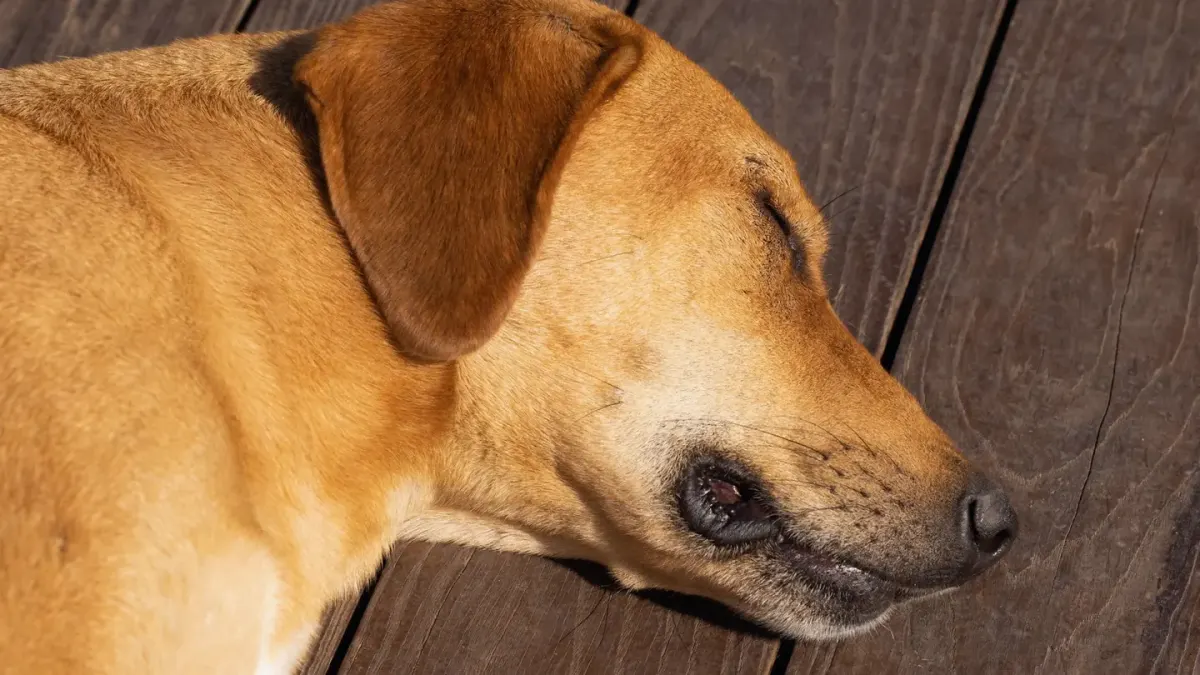
That does not mean there is no risk in the house. The greater concern is that urushiol stays active on fur, collars, leashes, and bedding for hours to days. Your dog may feel comfortable while resting on the wooden floor after a walk, much like that quiet stretch when being home showed us that our dog spent much of the workday napping, and still leave enough oil on a hand, cheek, or forearm to cause a rash in a sensitive person. The U.S. Centers for Disease Control and Prevention notes that indirect contact with contaminated objects, clothing, and animal fur can transfer the oil to human skin.
Why dogs seldom break out themselves
Urushiol must touch thin or sparsely haired skin to cause trouble. In dogs, that means the belly, inner legs, groin, armpits, muzzle, ears, and any area with hair loss or a hot spot are the most vulnerable places.
Even there, signs are usually mild and localized. You might notice pink skin, small bumps, light swelling, or licking at one patch a day or two after exposure. Widespread blistering lines like people develop are rare in dogs.
Dogs with very short coats, puppies who lie low in brush, and dogs with allergic skin disease may show irritation more easily. Chewing or eating leaves is a separate concern, more likely to cause drooling, mouth irritation, or stomach upset than a classic poison ivy rash, similar to how other common plants and foods can irritate the mouth and gut. If foraging on walks is a pattern, it helps to review what is safe to sniff versus swallow, such as my notes on whether apples are safe for dogs and what parts of avocado to avoid.
The transfer risk matters more
Think of your dog’s coat as a soft cloth that picks up oil. Petting, hugging, sharing a bed, or toweling him off with bare hands can move urushiol to your skin. Collars, harnesses, and leashes hold it too.
This is why I focus less on treating the dog and more on protecting the family comfort together. No one needs harsh solvents or strong detergents on a dog. Gentle, thorough washing is enough when it is done soon and with gloves.
What to do after a possible exposure
Take a slow breath. You have time, but sooner is kinder.
Put on disposable gloves or kitchen gloves before you touch his coat, collar, or bedding. Keep him in one easy-to-clean spot while you gather supplies, with water, a mild dog shampoo, and several towels.
Rinse with lukewarm water first to float the oil off, then lather a mild dog shampoo through the areas that brushed the plants, legs, belly, paws, tail, and muzzle edges, taking care around eyes and mouth. Rinse very thoroughly and repeat once if he was deep in brush. Wash collars, harnesses, and leashes with soap and water, launder any blankets he touched, and wipe hard leash handles. Remove gloves last and wash your hands with soap and lukewarm water.
Avoid hot water, bleach, rubbing alcohol, or dish soap marketed for grease on inflamed skin, as these dry and sting. A calm rinse keeps his skin barrier intact, which supports comfort in the days that follow.
A short case stays with me. Benedict, a 3-year-old neutered male Shiba Inu from Frisco, Texas, came home from a greenbelt walk with no itch at all. His owner, Danielle, developed a linear, itchy rash on her forearms the next evening after cuddling him before his bath. Once we washed his coat, collar, and couch throw with gloves, and she received care for her own skin, no one else in the house broke out. His comfort was never the problem. The shared environment was.
When to call your veterinarian
Call the same day if you see persistent redness, swelling of the face or paws, hives, blisters, oozing, strong itching, chewing that breaks the skin, or eye redness and squinting. Also call if he ate leaves and now drools, vomits, has diarrhea, or goes off food.
Older dogs and dogs on immune-suppressing medications deserve a lower threshold for a call. Iggy, a 10-year-old intact male Havanese from Albany, New York, owned by Shirley, reminded me of this. His skin was thinner and drier with age, so a mild belly rash lingered longer than expected and needed supportive care to keep him resting comfortably. We chose simple cleansing, an e-collar break from licking, and close monitoring for infection rather than aggressive treatment.
Do not start oral antihistamines, steroids, or topical creams without veterinary guidance. Dogs absorb some topicals by licking, and dosing and safety depend on weight, age, and other conditions. If a rash looks infected, is spreading, or keeps your dog awake, an in-person visit allows for gentle skin sampling and a plan centered on quality of life and rest.
Preventing the next walk-through
You do not need to give up wooded walks. Stay on cleared paths, keep him leashed where vines climb trees and fences, and learn the local leaf patterns for poison ivy and poison oak in your season. A quick belly and leg rinse after high-risk walks, plus regular washing of bedding and gear, may help support household comfort without adding stress.
If your dog is a frequent brusher, consider a light wipe of paws and belly with a damp cloth, followed by hand washing, and save full baths for known exposures. For the family member who reacts strongly, wearing long sleeves, using gloves for post-walk rubdowns, and changing clothes after trail work lowers the chance of another midnight itch.
Your dog did nothing wrong by exploring. With a little timing and a gentle wash, you can both settle back into that sunlit resting place with ease.
Frequently asked questions
Can a dog get poison ivy or poison oak rash?
A true allergic rash is uncommon because fur blocks the urushiol oil from reaching skin, but redness or itching can occur on sparsely haired areas such as the belly, groin, muzzle, and inner legs.
How long does poison ivy oil stay on a dog's fur?
Urushiol can remain active on fur, collars, leashes, and bedding for hours to more than a day, so washing the coat and gear with gloves and mild soap soon after exposure lowers transfer to people.
What should I wash my dog with after poison ivy exposure?
Rinse with lukewarm water and wash with a mild dog shampoo, rinse thoroughly, wash collars and bedding, and avoid bleach, rubbing alcohol, or harsh degreasers on skin.
When should I call the vet?
Call for spreading redness, swelling, hives, blisters, oozing, intense itch, eye irritation, vomiting or drooling after chewing leaves, or any rash that keeps your dog from resting.
Sources
- Poisonous Plants — U.S. Centers for Disease Control and Prevention