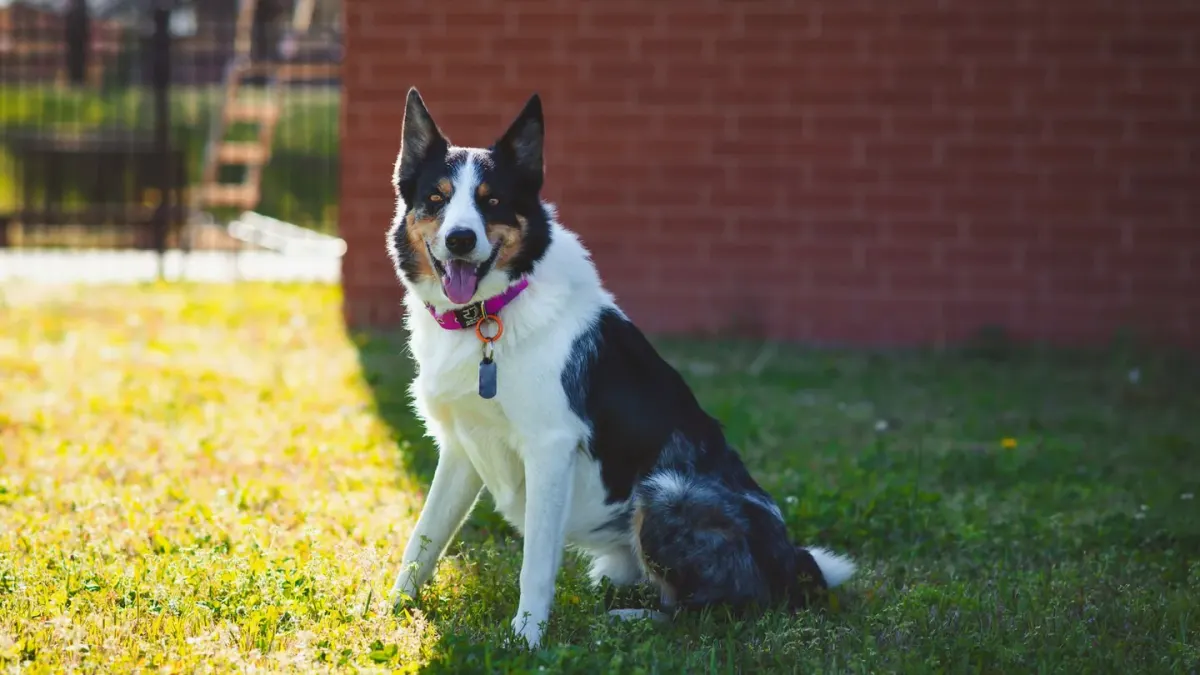
You are four weeks along, the test just turned positive, and now your dog will not leave your side. Does he know?
He may notice something is different. That is not the same as him knowing you are pregnant.
At four weeks, think of it as a fork: your dog is picking up on sensitivity to change, or you are seeing normal attention-seeking that feels meaningful right now. Your job is to respond to the behavior you see, not to treat it as proof.
When “clingy” starts before an announcement
Lauren in San Antonio noticed her dog Carlton, a 6-year-old intact male German Shorthaired Pointer mix, started shadowing her from bedroom to kitchen for four mornings in a row, staying within about three feet. No new training, no schedule change she could name. Just a velcro dog and a positive test.
Vets often see stories like this in early pregnancy. The owner is tired, nauseated, going to bed earlier, skipping the long walk, crying more easily. The dog follows the pattern change. Dogs are excellent at linking your routine to their rewards, and they notice when the pattern breaks.
According to Animals , dogs have an extraordinary sense of smell supported by hundreds of millions of scent receptors. That helps them detect subtle shifts in body odor, sweat, and household smells. It does not mean a dog can label those shifts as pregnancy at week four.
What could your dog actually be smelling
By four weeks after your last period, hormones like hCG, estrogen, and progesterone are rising. You may have light cramping, breast tenderness, fatigue, more trips to the bathroom, and a different sleep rhythm. Your scent, temperature, and mood may shift in small ways.
A sensitive dog may register those cues together. You smell a little different. You move a little slower. You rest more.
Keep expectations preventive and plain. There are no published studies showing dogs can reliably detect human pregnancy at four weeks. Scent-detection research focuses on conditions with trained dogs and controlled samples, not on untrained house dogs guessing a very early pregnancy.
Read the behavior, not the headline
Watch what changed in observable terms. Is your dog sniffing your belly more, resting his head on your lap, whining at the bathroom door, or waking when you wake?
Write down the baseline for three days: appetite, walks, sleep spot, barking, and clinginess on a 1-to-5 scale. That baseline may help support calmer vet and trainer conversations later.

Most early-pregnancy dog stories fall into four buckets, and only one needs quick action.
The four patterns I counsel owners to sort first
More watchful. Follows you room to room, wants contact, sleeps closer. This is common when your routine slows down. Keep responses boring and kind. Reward settled lying on a mat rather than pawing or crowding.
More sniffy. Nose to belly, chest, or urine in the toilet. Redirect gently to a toy or sniff walk. You do not need to correct curiosity unless it turns pushy.
More unsettled. Pacing, whining, night waking, or guarding you from a partner. Look first at unmet needs: shorter walks, less play, and your own stress can leave a dog restless. Rebuild the evening wind-down, keep departures low-key, and give him a job like a stuffed Kong. If you are seeing new growling or snapping, read our guide on Why Does My Dog Growl When I Pet Him? What the Rumble Means and keep handling low-stress.
Sudden behavior change with body signs. Loss of appetite, vomiting, lethargy, limping, excessive licking, or house-training regression points to health, not pregnancy radar. Call your vet promptly. Even in dogs, early hunches need confirmation by exam and imaging on a realistic timeline.
If growling is aimed at family members or guests, compare notes with Reactive Dog vs Aggressive Dog: How to Tell Which One You’re Living With . If mouthing ramps up during cuddly evenings, use the calm-instead steps in How to Stop Puppy Biting and Mouthing .
A calm plan for the next two weeks
You do not need to train for a baby yet. You need to keep this dog feeling safe while your body and schedule shift.
Keep wake, walk, feed, and bedtime within the same 30-minute window. Tired owners often cut exercise first, then wonder why the dog paces at 11pm.
Give closeness a place. Put a mat by the couch and reward four paws on it. Short sniff walks count.
Protect sleep for both of you. White noise, last potty break at the same time, same settling cue.
Track, do not test him. Note which behaviors persist past two weeks and which fade once nausea or fatigue eases.
Call your own clinician about your symptoms and your vet about your dog’s behavior if worry lasts more than a few days, if appetite or energy drops, or if you feel unsafe around guarding. That division keeps everyone cared for.
Your dog is not giving you a diagnosis. He is telling you the house feels different.
What would change if you answered the need underneath the shadowing — rest, rhythm, and reassurance — for the next 14 days?