On this page
That midnight hack from the hallway is frightening, and you want to know what you just heard.
Here is the quick fork I want you to use: if breathing looks hard, gums look pale or blue, or your dog cannot settle between coughs, call now. If your dog is bright, eating, and resting comfortably between short bouts, write down what the cough sounded like and call your regular vet in the morning.
Your 2-minute cough checklist
- What did it sound like — honk, dry hack, wet gurgle, or gag like something was stuck?
- How long did it last — seconds, a 2-minute fit, or off and on for three nights?
- What came with it — runny nose, retch and white foam, low energy, or fast breathing?
- What was happening just before — pulling on collar, drinking fast, waking up, or playing at the park?
- How is the baseline otherwise — eating, drinking, peeing, and tail wag normal?
Take a short phone video if you can do it safely. Sound plus body posture tells your vet more than any single word.
Listen first: which pattern matches?
Vets often see owners struggle to describe a cough, so think in patterns rather than one perfect label. The team at VCA Hospitals notes that character, timing, and accompanying signs help narrow the cause, from airway irritation to infection.
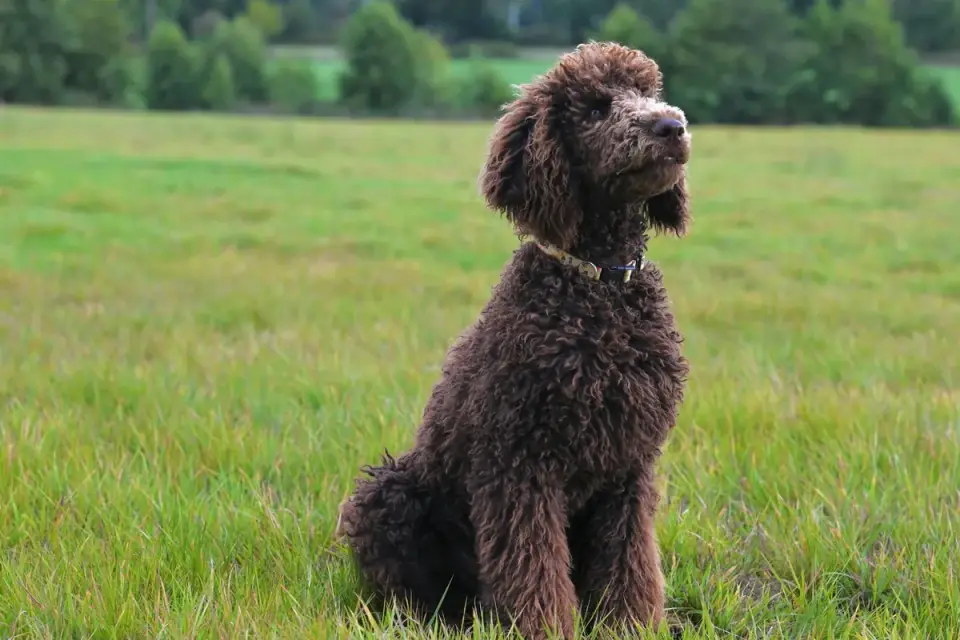
Suzanne in Oklahoma City noticed this with Dipper, her 7-year-old spayed female Poodle mix. For three nights Dipper gave a loud, goose-like honk when she pulled toward the mailbox, then trotted on like nothing happened. Suzanne counted one 20-second bout per walk, no fever she could feel, appetite normal. That detail — honk with excitement or leash pressure, quick recovery — gave her vet a clear place to start.
The 5 sounds owners describe most
1. Honking, like a goose Loud, brassy, and often triggered by excitement, barking, or collar pressure. It points toward the upper airway and trachea.
2. Dry hacking with no moisture Harsh and rhythmic, sometimes in fits. Owners often say it sounds like throat-clearing that will not clear.
3. Wet or gurgly cough Lower, moist, and bubbly, as if fluid is moving. It may end with swallowing.
4. Hack followed by a gag or retch The classic kennel-cough description: cough-cough-gag, sometimes bringing up a spoonful of white foam. The American Kennel Club lists this retching finish as a common owner report with infectious tracheobronchitis.
5. Soft, weak, or muffled cough in an older dog Less forceful, sometimes paired with faster breathing or tiring on a half-block walk. This one deserves a closer look rather than watchful waiting.
Listen once without fixing anything.
What helps your vet most is timing and triggers
A sound alone does not make a diagnosis. Your vet will want the context around it.
Note the when and how
- Time of day: waking up, middle of the night, or only after drinking
- Trigger: collar pull, cold air, dust, play, or nothing obvious
- Frequency: single hack after a long drink versus clusters of 10 to 15 coughs
- Recovery: bounces right back versus lies down and breathes fast for 5 minutes
Keep handling low-stress. Offer water, loosen the collar or switch to a harness for the night, and let your dog rest. Avoid holding the mouth shut or thumping the chest.
If you live with a dog who startles at new noises, the same calm routine you use for body-language worries can help here. Pause, watch, and record, much like you would when learning why a growl during petting can be communication rather than defiance.
When I want you to call sooner
Expectation first: most brief, kennel-cough-style hacks in an otherwise bright adult dog are uncomfortable but not an emergency. That said, I would rather you call early when any of these appear.
Call the same day or sooner for:
- Labored breathing, wheezing between coughs, or gums that look pale, gray, or blue
- Repeated gagging with drool, pawing at the mouth, or suspected choking
- Lethargy, skipped meals for more than a day, fever, or a wet cough with thick yellow-green nasal discharge
- A very young puppy, a senior with heart disease, or a flat-faced breed that tires quickly
- Cough lasting more than 3 to 5 days, getting louder, or keeping you both up two nights in a row
You do not need the perfect word. Say what you heard, how long it lasted, and what the baseline looks like now.
A quiet plan for tonight and tomorrow
Keep the evening unhurried. Warm water, a harness instead of a collar, clean bedding, and a calm room may help support steady breathing and rest. Note appetite, energy, and bathroom habits through the morning.
Then bring your notes and video to your vet and ask two questions: what pattern does this sound like, and what change should prompt a recheck? If coughing comes with new fear, pacing, or snapping when touched, loop in the right professional early through guidance like trainer, behaviorist, or veterinary behaviorist.
You did the right thing by listening closely.
For related context, read Why Does My Dog Growl When I Pet Him? What the Rumble Means.
For related context, read How to Stop Puppy Biting and Mouthing.
Frequently asked questions
What sound does a dog cough make?
Most owners describe a honk, a dry hack, a wet gurgle, or a hack that ends in a gag. Note the sound, length of the bout, trigger, and how your dog acts between coughs.
Is a honking cough always serious?
Not always, but a loud goose-like honk points to the upper airway and deserves a vet exam, especially if it happens often or comes with breathing effort.
Should I record my dog coughing?
Yes, if you can do it safely. A 15 to 30 second video with sound helps your vet hear the pattern and see posture and recovery.
Sources
- Dog Coughing: Causes and Treatment Options — American Kennel Club