On this page
If your dog paces at the back door and then barks once she is outside, she may be telling you the yard feels too open to rest in.
An outdoor playpen works best when it feels like a shaded porch corner, not a holding area. The goal is a small, familiar spot where the body can settle and the mind has less to watch. For an anxious dog or an older dog, that sense of shelter may help support steadier daytime rest, with realistic expectations and no pressure to stay out long.
Dylan in Cambridge told me his 2-year-old mixed-breed Sven would race the fence line when given the whole yard, then come inside panting and still restless. When they borrowed a pen and tucked it under a maple with a cot and a chew, Sven started choosing it for ten-minute dozes while Dylan sat nearby with coffee. Less space, less arousal.
Why an outdoor pen should invite rest, not enforce it
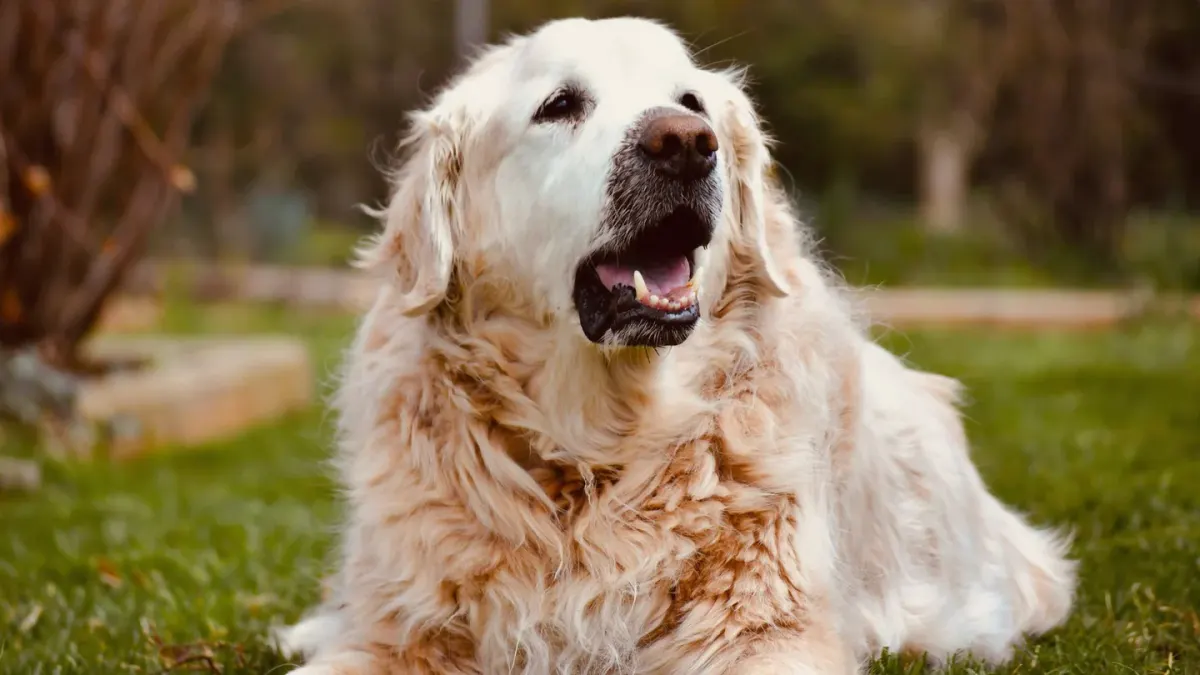
Dogs do not calm down simply because we contain them. A bare pen in full sun, with street noise and no bed, can leave a worried dog pacing, digging, or chewing at the panels. Senior dogs may stand and pant because the footing feels slippery or the corner feels exposed.
Think choice first. The pen door stays open at the start. You sit close. Treats and quiet praise happen inside the pen. If she walks in, sniffs, and lies down, that is success. If she leaves, you let her leave. Comfort builds when rest is her idea.
Heat matters here most of all. The American Veterinary Medical Association reminds owners that shade and fresh water are essential in warm weather, and dogs can overheat quickly without them. The ASPCA notes similar basics for hot-weather safety, including access to shade and water and never leaving a dog without a cool retreat. The American Kennel Club describes heavy panting, thick drool, and unsteady movement as warning signs that call for prompt cooling and veterinary care.
Set shade, footing and water before you add space
Start with location. A quiet side of the house, away from the sidewalk and the neighbor dog run, helps more than a larger pen. Morning shade that lasts through midday is ideal. A breathable shade cloth over part of the top can soften glare while still allowing airflow.
Then build the floor for rest:
- Flat, non-slip footing. Grass, outdoor rubber mats, or a low cot with a washable pad. Avoid hot concrete and wobbly deck boards for stiff legs.
- Water in a spill-proof bowl, placed at the edge where it will not soak bedding. Refresh it each outing.
- One familiar bed smell from inside, one safe chew, and nothing that squeaks loudly.
- A visual buffer on one or two sides. A clipped sheet or hedge-side placement can block the trigger view while leaving you visible.
One family shared that they used the kitchen exhaust fan to soften the sound of nearby barking while they sat outside with their dog, just enough background hum to take the edge off passing noises. Small sound softening like that can be part of a calm setup, not a fix on its own.
If evenings are the hard time and your dog wakes or paces inside, our guide to Best Toys for Apartment Dogs with Limited Space has low-arousal ideas that pair well with short pen sessions.
Teach calm visits in short daytime sessions
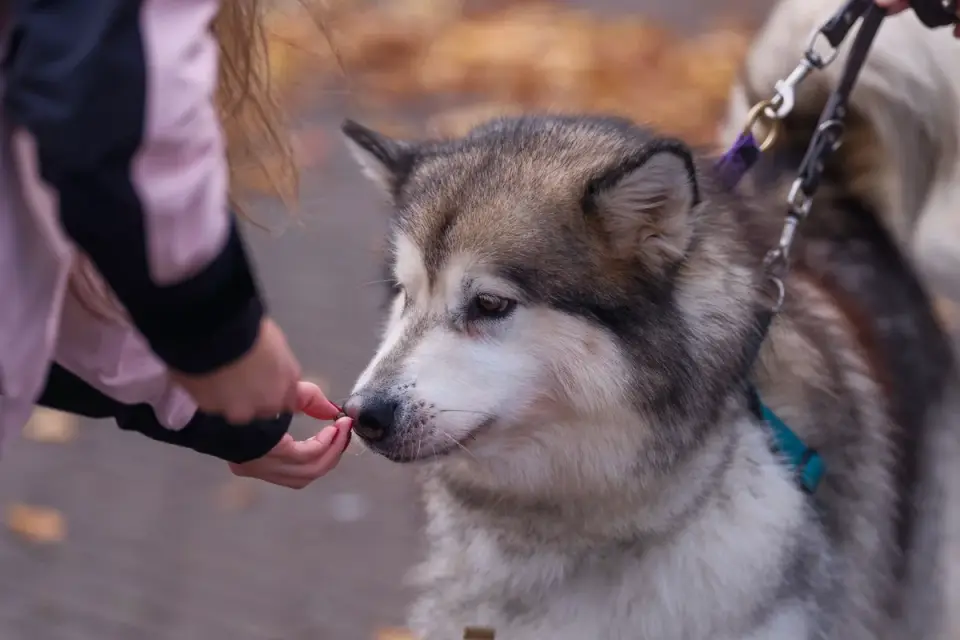
Keep early sessions to five to ten minutes, when she is already a little tired after a walk and a potty break. Sit just outside or half-inside the pen. Offer a long-lasting chew or scatter a few treats in the grass mat. Breathe slowly. When she sighs, softens her elbows, or rests her chin, quietly place one more treat between her paws.
End while it is still easy. Invite her out, fold up the chew, and go inside together. Three gentle repetitions like this teach that the pen predicts company and rest, not isolation. Over days, you can add a minute or two, move your chair a foot farther away, and practice stepping out of sight for a few seconds and returning before she worries.
For older dogs, watch how she rises from the cot. If she slips, circles long before lying down, or pants after only a few minutes outside, shorten the session and offer the indoor bed instead. Comfort may help support quality of life when we follow what the body shows us.
If chewing worries you during these sessions, Is Rawhide a Toy or a Choking Risk? walks through safer chewing choices and supervision.
When to bring her back inside instead
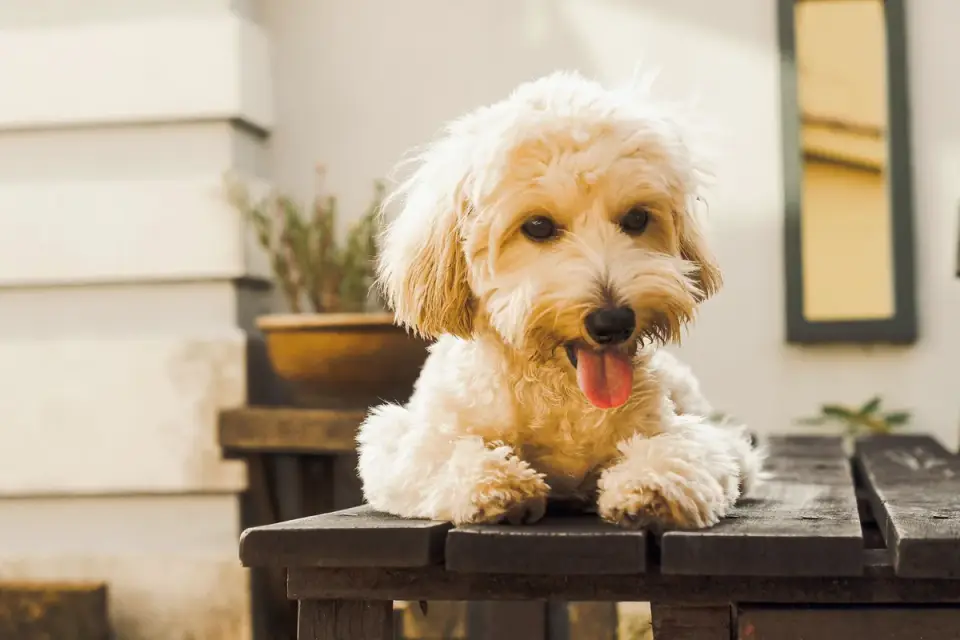
An outdoor pen is not the answer for panic, escape attempts, or long alone hours. Bring her in and regroup if you see bent panels, climbing, nonstop barking, drooling, heavy panting in shade, or refusal to enter after several kind sessions. Thunderstorms, fireworks, high heat and humidity, and freezing wind are indoor days.
Dogs who are growing old often do best with the pen as a morning sun spot for twenty minutes with you, then back to their cool indoor corner. That rhythm honors both needs, fresh air and a safe den.
A calm outdoor pen is a small kindness. Shade, steady footing, water, your quiet presence, and short practice. When she walks in on her own and settles, you will know the space is doing its work.
Frequently asked questions
How long can my dog rest in an outdoor playpen?
Start with 5 to 10 minutes with you nearby in shade with water. Many calm adult dogs enjoy 20 to 30 minutes on mild mornings. End early if you see heavy panting, restlessness, or attempts to climb out.
Should the pen be in sun or shade?
Shade. Choose morning shade that lasts, add a breathable cover over part of the top, and keep fresh water at the edge. Bring your dog inside on hot, humid days.
What if my dog barks the whole time in the pen?
Shorten the session, sit closer, and leave the door open so entering feels like a choice. If barking, pacing, or escape efforts continue after several gentle tries, pause outdoor pen time and help her settle indoors.
Sources
- Warm Weather Pet Safety — American Veterinary Medical Association
- Hot Weather Safety Tips — ASPCA
- Heatstroke in Dogs — American Kennel Club