On this page
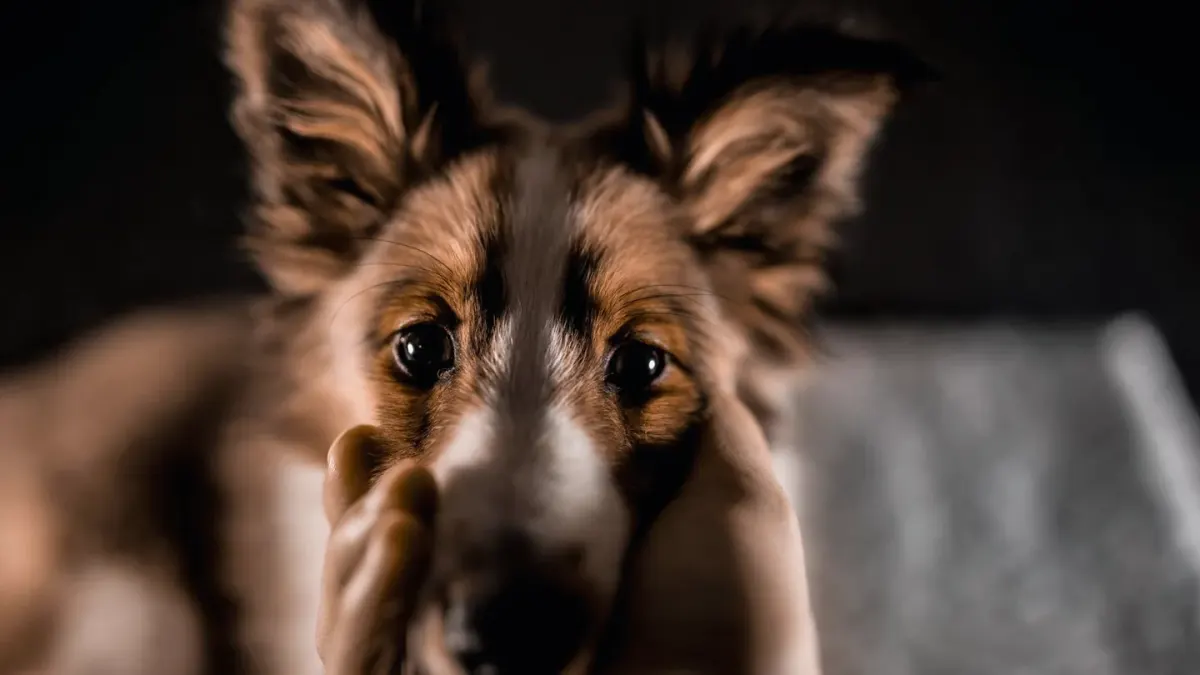
That sharp graze of puppy teeth across your knuckles can make you flinch, then feel guilty for flinching. You are not doing it wrong. Hands move, they smell interesting, and to a dog they look a lot like toys that give attention back.
From a whole-system view, hand biting is rarely defiance. It is arousal plus habit. A tired, bored, or overexcited nervous system spills out through the mouth, and if hands squeak, jerk, or keep wrestling, the game gets more interesting. The dogs I support do best when we make hands boring and chews rewarding, while we help the whole body settle.
Why hands become the favorite chew
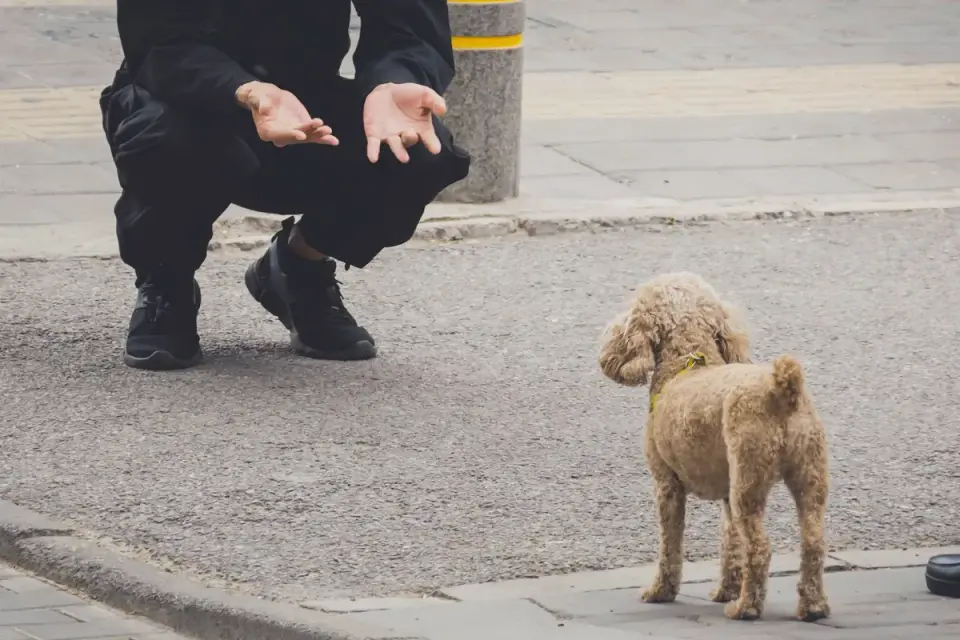
Dogs explore with their mouths, especially in adolescence. Hands feed them, pet them, and play with them, so hands predict good things. Add movement and sound, and you have built-in prey cues.
Watch for the pattern owners often describe to me: when my puppy gets tired, she bites more and stops responding to familiar cues. That late-afternoon or late-evening witching hour, after play, when visitors arrive, or during petting that goes on a little too long, is classic overarousal. The dog is not being naughty. The cup is full.
A little context helps. Mouthing that happens during play or greeting is different from stiffening, growling over handling, or snapping when touched. If you are seeing the second pattern, read Why Does My Dog Growl When I Pet Him? What the Rumble Means and Reactive Dog vs Aggressive Dog: How to Tell Which One You’re Living With before you push through with training.
Stop the yank and the wrestling
Our instinct is to pull away fast with a loud yelp. For some sensitive puppies that startles them into stopping, which is why the advice persists. For many others, fast withdrawal looks like a squeaky toy running away, and rough wrestling or hand-chasing games teach that hands are for grabbing.
The AVMA emphasizes calm prevention and teaching appropriate behavior around hands rather than confrontational responses, and the AVSAB supports humane, reward-based methods over fear and correction for behavior change. That fits what I see in mobile practice: a dog that may help support learning better when the body stays under threshold and comfort is maintained.
So try this instead:
- Go still for a beat. Let your hand go quiet like a boring leaf, not a fluttering bird.
- Mark and redirect, do not scold. Say yes softly and trade for a long chew, tug toy, or stuffed Kong you have ready nearby.
- If teeth press skin, pause. Tuck hands calmly across your chest, turn slightly away, and stop play for 20 to 30 seconds. Then invite a toy game again.
- Keep petting short. Three gentle strokes, pause, and only continue if the dog leans in softly with a loose body.
Owners who told me I redirected my puppy toward toys and briefly withdrew attention when he bit during play were describing exactly this loop. It works because it teaches two clear lessons: teeth on skin ends fun, teeth on toys restarts fun.
Teach what to do with that mouth
Redirection only sticks if the replacement is easier and more rewarding than your fingers.
Keep three stations ready: a soft plush for carrying, a rope or tug for interactive play, and a long-lasting chew for settling. When the dog trots toward you with that bright, mouthy look, offer the toy before the teeth land. Reward the take with quiet praise and a little tug or toss.
Practice the consent check a few times a day:
- Pet for three seconds.
- Stop and hold your hand still.
- If the dog nudges or leans without mouthing, continue. If the dog grabs, trade for a toy or take a short rest break.
Add a place to land. A mat, crate, or pen with a chew lets an aroused dog decompress without rehearsing hand grabs. Many families find that we kept outings brief and rewarded behaviors we wanted to see more often applies indoors too — two-minute toy play, then a chew break, then play again. Short and successful beats long and frantic.
For young puppies building bite inhibition from the ground up, pair this routine with How to Stop Puppy Biting and Mouthing.
Calm the body behind the teeth
A mouthy dog is often a tired dog, an under-exercised dog, or a dog with no off-switch yet. Training the mouth without settling the system is like bailing water without fixing the leak.
Set plain expectations first: progress may help support comfort over one to three weeks, with slip-ups on exciting days. That is normal learning, not failure.
What helps maintain comfort through the day:
- Sleep and rest. Puppies and sensitive adolescents may need 16 to 20 hours of sleep in a quiet, dim spot. Enforce naps in a crate or pen before the evening bite-fest starts.
- Sniffing over sprinting. A 15-minute sniff walk, scatter feeding in grass, or a frozen lick mat often settles mouthing more than another round of fetch.
- Predictable greetings. Ask visitors to ignore jumping and mouthing for the first minute, then toss a treat to a mat and pet only when all four paws are down.
- Food therapy basics. Regular meals, adequate hydration, and avoiding marathon play on an empty stomach help keep arousal from spiking.
If mouthing clusters around handling — collar grabs, grooming, wiping paws — slow down and pair each step with food, and get hands-on help early. Trainer, Behaviorist, or Veterinary Behaviorist? How to Pick the Right Call walks through who fits which situation.
When to pause and call your vet or trainer
Most hand mouthing fades as impulse control matures. Seek in-person help promptly if you see:
- Hard bites that bruise, break skin, or escalate in pressure
- Stiff body, hard stare, growling, or snapping when approached or touched
- Biting driven by fear, resource guarding, or pain — yelping when moved, limping, appetite change, new night waking
- An adult dog that is getting worse after two to three weeks of consistent redirection and rest
Do not use alpha rolls, muzzle grabs, leash jerks, or pinning to stop biting. They may suppress the warning without changing the feeling underneath, and they can erode trust in hands.
With steady redirection, brief pauses, and enough rest, hands can become what they should be: the place good chews and calm strokes come from, not the chew itself.
Frequently asked questions
Should I yelp when my dog bites my hands?
A soft, brief pause is often more helpful than a loud yelp. Go still, tuck hands away for 20 to 30 seconds, then restart play with a toy. Loud squealing excites some dogs and makes them bite harder.
Why does my dog only bite my hands and not toys?
Hands move, smell like food, and give instant attention, so they are more rewarding. Offer the toy before your dog gets excited, reward taking it, and keep hand play calm and short while the new habit builds.
When should I worry about hand biting?
Call your veterinarian or a qualified behavior professional if bites bruise or break skin, if the body goes stiff with growling or snapping, if guarding or pain may be involved, or if mouthing worsens after 2 to 3 weeks of consistent training.
Sources
- Dog Bite Prevention — AVMA
- Position Statements — AVSAB